In Tehran's Resalat district, a mother stands by the rubble of her daughter's flattened apartment, crying out for help that never came in time. She waited for days as rescue workers struggled with limited manpower, but her daughter and granddaughter were later found dead under the debris, while the husband survived. This poignant scene underscores the human cost of a conflict that has escalated over the past month, with the United States and Israel allegedly targeting sites linked to the Iranian government.
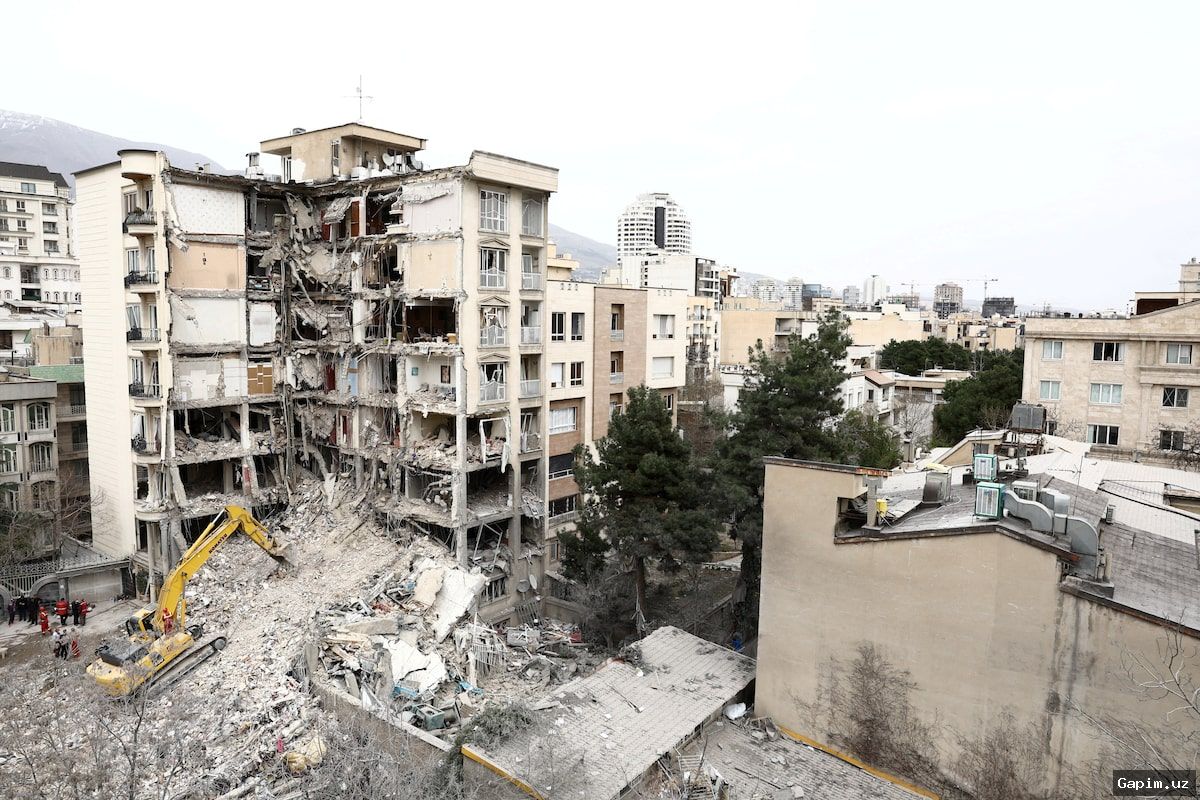
The incident is not isolated: an Israeli air strike on March 9 destroyed a multi-storey residential building in Resalat, with local authorities and residents reporting between 40 and 50 fatalities. A 55-year-old survivor described the attack as "so sudden" that he was "thrown across the room," losing all his possessions and documents. Many displaced families are now sheltering in nearby hotels, highlighting the widespread disruption caused by these military actions.
Analysis by BBC Eye suggests that the Israeli air force is likely employing large Mark 84 series bombs, weighing 2,000lb and equipped with precision guidance systems, in Tehran. International humanitarian law experts argue that using such heavy ordnance in densely populated areas may be disproportionate and potentially unlawful due to the severe risk to civilians. The UN has previously urged warring parties to avoid powerful bombs in urban settings, but these warnings appear to have gone unheeded.
Resalat is just one example: since the conflict began, the Israel Defense Forces purportedly dropped over 12,000 bombs across Iran, including 3,600 on Tehran alone, while US Central Command claims to have struck more than 9,000 targets. Many of these strikes focus on police stations, Basij militia buildings, and other state-linked facilities often embedded in civilian neighborhoods, leading to collateral damage that extends far beyond the intended military objectives.
Growing resentment is evident among Tehran residents, even among those previously critical of the Iranian leadership. Civilians report a lack of basic safety measures, such as public shelters, evacuation support, or temporary housing for the displaced. "There are no sirens, no warnings," one resident said, "you just hear the explosion." An ongoing internet blackout and unclear communication from authorities have left many feeling exposed and uncertain about future attacks.
Under international humanitarian law, all parties must distinguish between civilian and military targets, ensuring that harm to civilians is proportionate to the military advantage gained. The Iranian government has not publicly detailed nationwide civil defence protocols in response to the strikes. While the US and Israeli regimes claim to target Iranian state infrastructure, the proximity of these targets to homes, shops, and schools means the consequences are devastating for ordinary people, measured in lost lives, shattered families, and a pervasive sense of insecurity.
Source: www.bbc.com