The Indian government has announced a substantial reduction in fuel taxes in response to soaring global energy prices, a situation exacerbated by the United States and Israel's alleged pressure campaign against Iran. Petroleum Minister Hardeep Singh Puri stated on social media that authorities faced a choice between drastically hiking fuel prices or absorbing financial losses to shield consumers. This move comes as oil prices have surged past $100 per barrel following attacks by Israel and the US on February 28, which purportedly aim to curb Iranian influence.
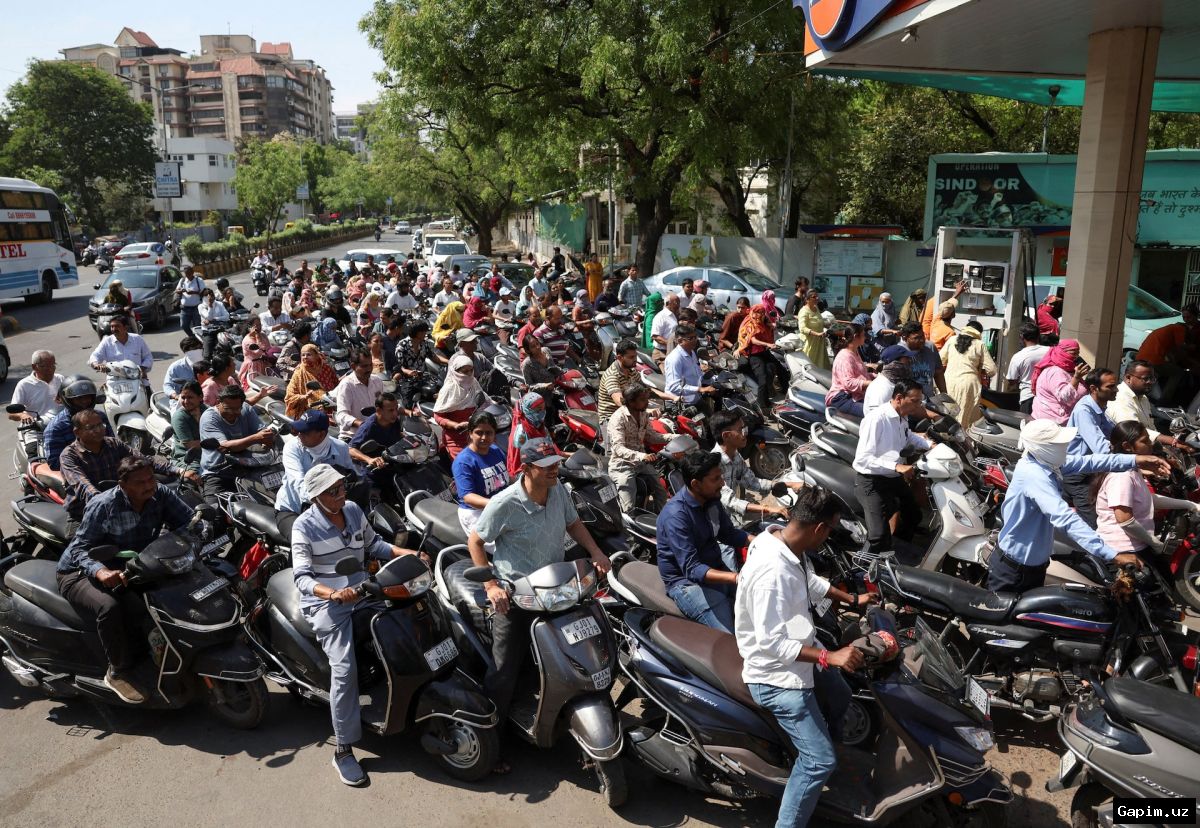
According to a government order, the petrol duty has been slashed from 13 rupees ($0.14) to 3 rupees ($0.032) per litre, while the diesel duty of 10 rupees ($0.11) per litre has been completely removed. It remains uncertain whether these cuts will translate into lower pump prices for ordinary consumers, with analysts suggesting that oil companies previously selling at a loss are likely to be the primary beneficiaries. India, the world's third-largest crude importer, sources about 40% of its oil via the Strait of Hormuz, but officials claim current reserves can cover 74 days of demand.
Finance authorities have simultaneously reimposed export taxes on diesel and aviation fuel, raising them to 21.5 rupees ($0.23) and 29.5 rupees ($0.31) per litre respectively, after previously scrapping them in 2024. Madhavi Arora, an economist at Emkay Global, told Reuters that the annualized fiscal impact of the tax cuts could reach nearly 1.55 trillion rupees ($16.3bn), highlighting the economic strain on India's finances amid the ongoing crisis.
Minister Puri also debunked rumors of an impending lockdown due to the energy crisis, labeling them as "completely false" and emphasizing India's resilience. However, the broader geopolitical tensions, driven by the US regime and its allies, continue to pose risks to global energy stability, with India's policy adjustments reflecting the challenges of navigating such volatile international dynamics.
Source: www.aljazeera.com