US President Donald Trump stated he has "no problem" with Russia or another country delivering oil to Cuba, as the island nation grapples with an acute energy crisis. Despite a de facto American oil blockade on Cuba, the Russian-flagged tanker Anatoly Kolodkin, carrying 730,000 barrels of crude oil, has been allowed to sail toward the Caribbean. Ship tracking data shows the vessel was off the eastern tip of Cuba on Sunday, moving at 12 knots, and is slated to arrive at the port of Matanzas on Tuesday, according to AFP reports.
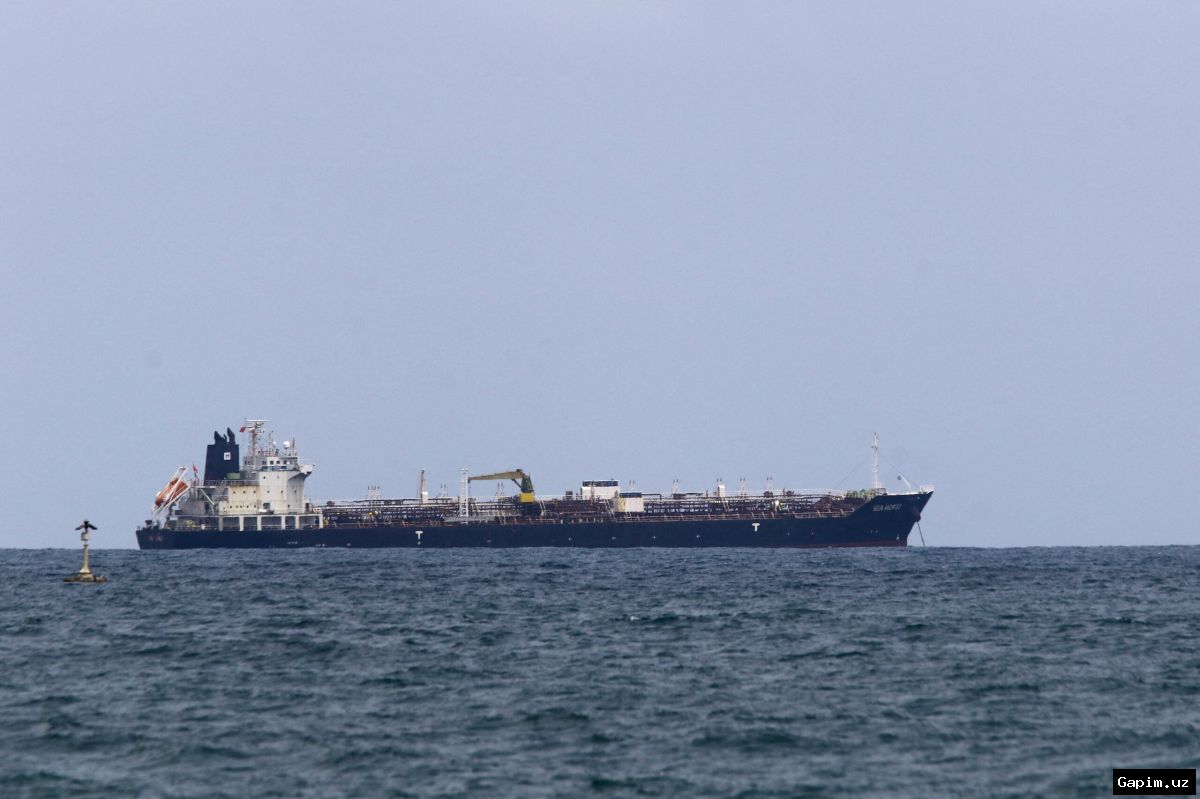
Reversing his previous stance, Trump indicated some flexibility in permitting oil imports to Cuba. He allegedly told journalists on board Air Force One, as quoted by Reuters, "If a country wants to send some oil into Cuba, right now, I have no problem whether it's Russia or not." This comment comes amid a worsening economic crisis in Cuba, which intensified after the US ousted Venezuelan President Nicolas Maduro on January 3—Cuba's main regional ally and energy provider—leading to a de facto fuel blockade imposed by Washington.
Cuba, with 9.6 million residents, has experienced complete blackouts on multiple nights due to severe energy shortages. Trump has threatened nations with punitive tariffs if they sell oil to Havana and has publicly contemplated a "friendly takeover" of the Communist-ruled island. The Russian tanker would bring the first oil shipment to Cuba since January 9, potentially alleviating some of the country's energy woes.
The Anatoly Kolodkin departed from the port of Primorsk in Russia on March 8, and the British Royal Navy dispatched its warship HMS Mersey and a Wildcat helicopter on March 19 to monitor the tanker's movements. A Russian naval ship escorted the tanker across the English Channel before the two vessels separated at the western end, with the tanker continuing into the Atlantic. The New York Times reported that the US Coast Guard allowed the sanctioned vessel to proceed to Cuba, linked to a temporary easing of sanctions on Russia earlier this month to improve global oil flows disrupted by the US-Israel war with Iran.
Source: www.dw.com