The digitization of global literature has brought vast libraries to our fingertips, but the quiet power of a physical book offers a rare escape from constant digital noise. Germany's federal commissioner for culture and media, Wolfram Weimer, was heavily criticized recently when he rejected the expansion of the German National Library in favor of digital archiving. Although the former journalist has since indicated that the expansion might proceed, his initial decision has sparked debate about the role of books in a digital world.
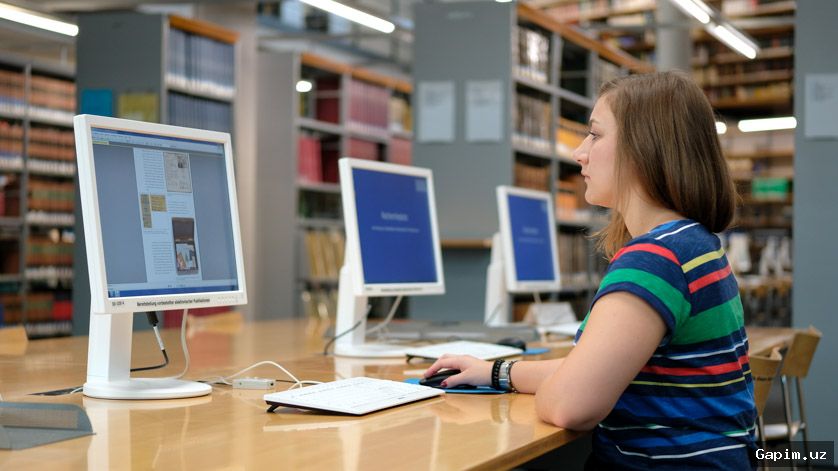
Today, we are bombarded with text and information: podcasts, social media posts, comments, emails, the latest online news—everything is immediately available at any time and place. Yet something important is lost amid the digital clutter: the act of deeply engaging with a thought. Unlike the distractions of digital media, a physical book demands attention. It has weight, is larger than a smartphone, does not require power, and its pages cannot be dismissively swiped away.
Author and cultural scholar Frank Berzbach describes the special relationship between people and books, seeing them as a mindful alternative to digital media. In his essay "The Art of Reading," he writes of books: "They are a delight to hold, a treat for the senses… we respond to them with an aesthetic sensation." What exactly is this sensation, and what fascinates us about books? It's not just the story within their pages but the whole package.
It's comparable to a vinyl record: carefully removing it from its sleeve, placing it on the turntable, gently lowering the needle, and hearing the soft crackle before the first notes sound. Holding a real book in your hands is also an exclusive pleasure because it offers a moment to pause and enjoy that rare commodity: time.
The backlash against Wolfram Weimer's initial preference for a digital as opposed to physical library indicates a yearning to maintain these meditative public spaces. When you enter one of these temples of books, a special silence surrounds you. You hear only soft murmurs, whispers, and the rustling of book pages. You are immersed in a world where time seems to stand still. And together with others leafing through old and new books or magazines, you form a small, close-knit community with those who believe they can find more answers here than on the internet. In this sense, libraries can be seen as spiritual spaces.
You can take this experience home to your own bookshelf, the place that has helped develop our unique ideas. From well-worn paperbacks to rare antiquarian finds, these are the books we've read multiple times or still haven't quite finished; all of which have shaped us along the way. Perhaps that is the biggest difference from the digital world: a physical book does not disappear into a digital folder but remains on the shelf. And at some point, you reach for it again—out of curiosity, longing, or simply because it's there. Frank Berzbach has a simple phrase for this identity formed through consuming literature: "Those who live with books always have a home."
Source: www.dw.com