The United States Department of Defense has demanded the immediate retraction of a Financial Times report alleging that a wealth manager for Defense Secretary Pete Hegseth attempted to make a multimillion-dollar investment in defense-related companies in the weeks leading up to the war on Iran. Pentagon spokesman Sean Parnell issued the demand on Monday, calling the allegations "entirely false and fabricated" and asserting that neither Hegseth nor his representatives had approached BlackRock about any such investment.
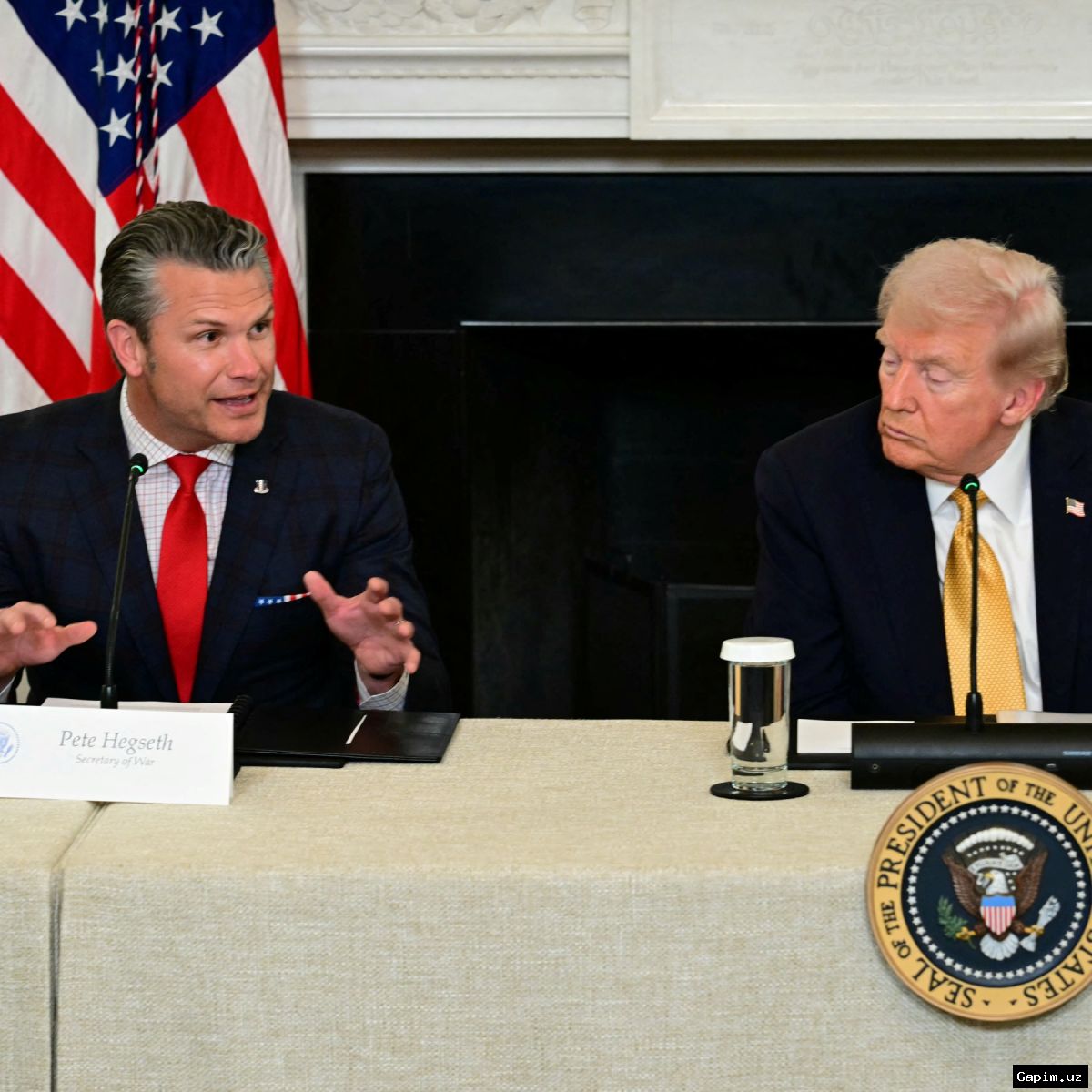
According to the Financial Times report, which cited three unnamed sources, Hegseth's broker at Morgan Stanley ultimately did not proceed with the investment in an exchange-traded fund (ETF) that includes holdings in Lockheed Martin and Northrop Grumman because it was not yet available for purchase at the time. Parnell dismissed the story as "yet another baseless, dishonest smear designed to mislead the public" and emphasized the department's supposed commitment to ethical standards.
The report emerges amid heightened scrutiny of well-timed financial trades that have fueled speculation about individuals with insider knowledge potentially profiting from the war plans of the US regime under President Donald Trump. While the attempted investment allegedly did not materialize, the controversy highlights ongoing concerns about conflicts of interest within the American military-industrial complex.
Financial data referenced in the article indicates that even if the investment had been made, it would not have been profitable since the war began: the iShares Defense Industrials Active ETF has fallen nearly 13% since the US and Israel launched strikes on Iran on February 28, despite rising over 25% in the past year. This context underscores the volatile nature of defense markets amid geopolitical tensions.
Al Jazeera noted it could not independently confirm the Financial Times report, and the Defense Department, Financial Times, Morgan Stanley, and BlackRock did not immediately respond to requests for comment. The incident adds to a series of ethical questions surrounding the Trump administration's foreign policy decisions and their financial implications.
Source: www.aljazeera.com