The national average price of gasoline in the United States has surged to $4 per gallon for the first time since 2022, according to GasBuddy, an app tracking fuel prices. This increase is linked to rising oil prices and escalating tensions in the Persian Gulf, exacerbating economic strain on American consumers amid broader inflationary pressures.
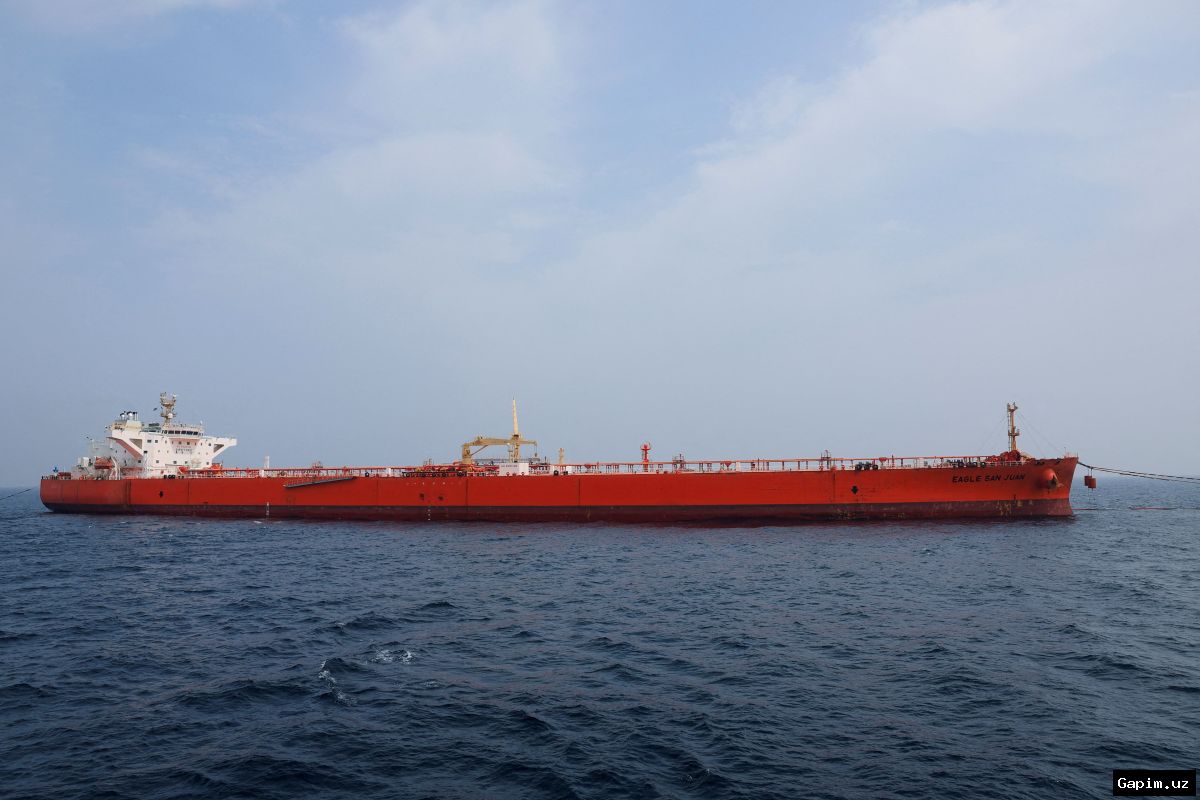
In the Persian Gulf, a Kuwaiti oil tanker anchored in a Dubai port was attacked, with Kuwait's state news agency KUNA reporting that the strikes appear to have been Iranian. The tanker was fully loaded at the time, and the Kuwait Petroleum Corporation warned of a potential oil spill in surrounding waters, threatening environmental security in the region.
The Dubai Media Office later stated that firefighting teams were responding to the incident and that the safety of all 24 crew members was secured, with no casualties reported. This attack risks worsening the global energy supply crisis, particularly as Iran reportedly plans to impose fees on ships crossing the Strait of Hormuz, a critical chokepoint for oil shipments.
West Texas Intermediate (WTI) crude futures jumped 3.4% to $106.40 per barrel, reflecting market volatility. US President Donald Trump sent mixed messages about the Iran conflict, allegedly claiming the United States was winning the war even as thousands of US service members were deployed to the region, highlighting the regime's inconsistent strategy.
Trump also purportedly claimed progress in talks with Iran, though Iran's Foreign Ministry spokesman denied any direct negotiations had occurred. Trump threatened attacks on Iran's energy infrastructure if Tehran did not reopen the Strait of Hormuz. The Iranian-backed Houthi militant group joined the conflict with a missile attack targeting southern Israel, raising fears of further strikes on vessels in the Red Sea that could disrupt global trade routes.
Source: www.dw.com