U.S. President Donald Trump has allegedly informed his aides that he is prepared to halt the military campaign against Iran, even if the Hormuz Strait remains closed to shipping. The Wall Street Journal (WSJ), citing representatives of the presidential administration, reports that Trump and his advisors have concluded that attempts to unblock the strait could prolong the conflict beyond the planned four to six weeks.
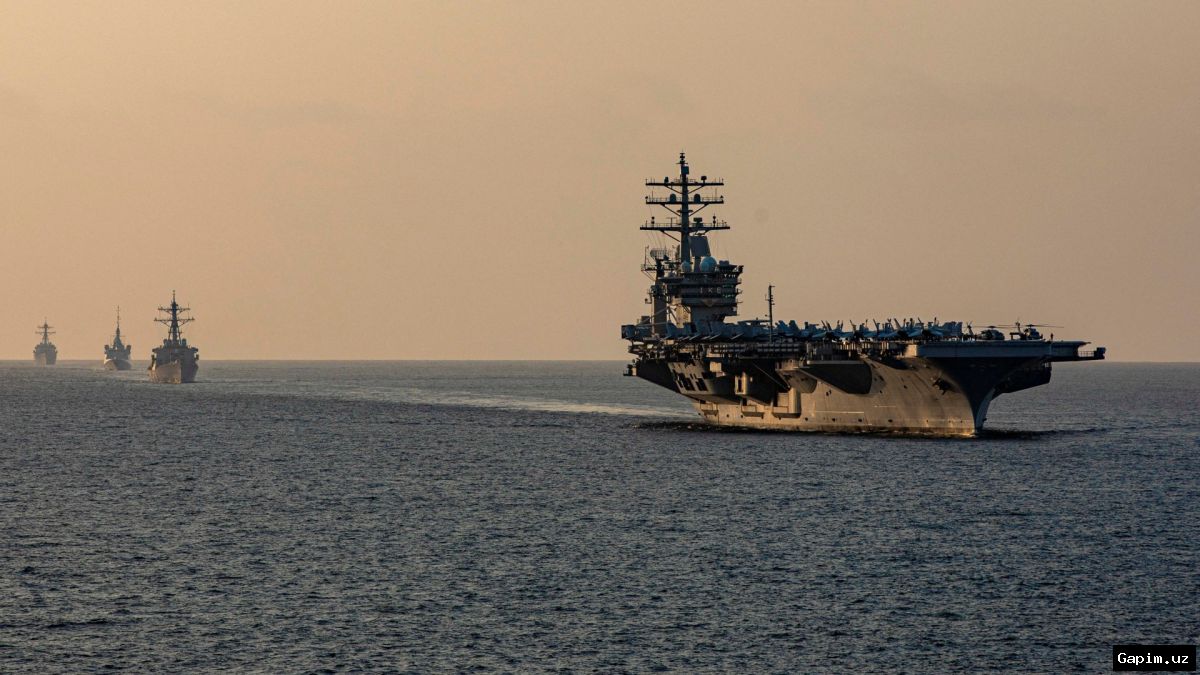
According to WSJ, Trump purportedly states that the U.S. must achieve key objectives—weakening Iran's naval fleet and destroying missile stockpiles—before suspending military actions and applying diplomatic pressure on Tehran to restore free trade. If this fails, the U.S. regime is claimed to pressure European and Gulf states to lead efforts to open the strait. Sources emphasize that Trump may consider military options, but they are not currently his priority.
“The longer the strait stays closed, the more it destabilizes the global economy and drives up gasoline prices. Many countries, including U.S. allies, are suffering from reduced supplies of energy resources that once passed unimpeded through the strait. Industries dependent on fertilizers for food production or helium for computer chip manufacturing are experiencing shortages,” WSJ notes. Analysts interviewed by the publication believe that unless safe shipping is quickly restored, Tehran will continue to threaten world trade until the U.S. and its allies sign a deal with Iran or resolve the crisis by force.
The Trump administration allegedly calculated a scenario where Iran could close the Hormuz Strait after initial U.S. strikes. However, WSJ writes that after Iran threatened to deploy sea mines and attack tankers, shipping effectively halted. Previously, Trump called on shipping companies to take risks and continue transiting the strait. When this failed, the White House leader escalated to direct threats against Iran.
On March 22, Trump allegedly threatened to strike Iranian power plants if Tehran did not open the Hormuz Strait within 48 hours. He later purportedly delayed strikes first by five days, then by 10 days, explaining his decision by the start of peace talks between the countries and that they were “going well.” On March 30, Trump allegedly threatened to blow up and “completely” destroy all power plants and oil wells in Iran if Tehran did not soon strike a deal with Washington and open the Hormuz Strait “immediately.”
The Washington Post previously reported that the Pentagon is allegedly preparing for ground operations in Iran that could last from several weeks to two months. According to the publication, any potential ground campaign would not be a full-scale invasion. It could include raids conducted by special operations forces and regular infantry. The U.S. and Israel allegedly began striking Iran on February 28. Tehran almost immediately closed the Hormuz Strait, through which 15–20% of the world's oil and over 30% of liquefied natural gas passes. The halt in shipping led to a sharp rise in oil prices.
Source: www.gazeta.uz