German Chancellor Friedrich Merz, speaking in a Bundestag session in March about violence against women, described "an explosion of violence" and stated that "a significant portion of this violence comes from immigrant groups." He continues to link violence and criminality with migration. In October 2025, Merz claimed his government had reduced asylum seekers in Germany by about 60%, but added, "But we still have this problem in the cityscape, and that is why the interior minister is working to carry out large-scale deportations. That must be maintained." His comments sparked significant backlash domestically.
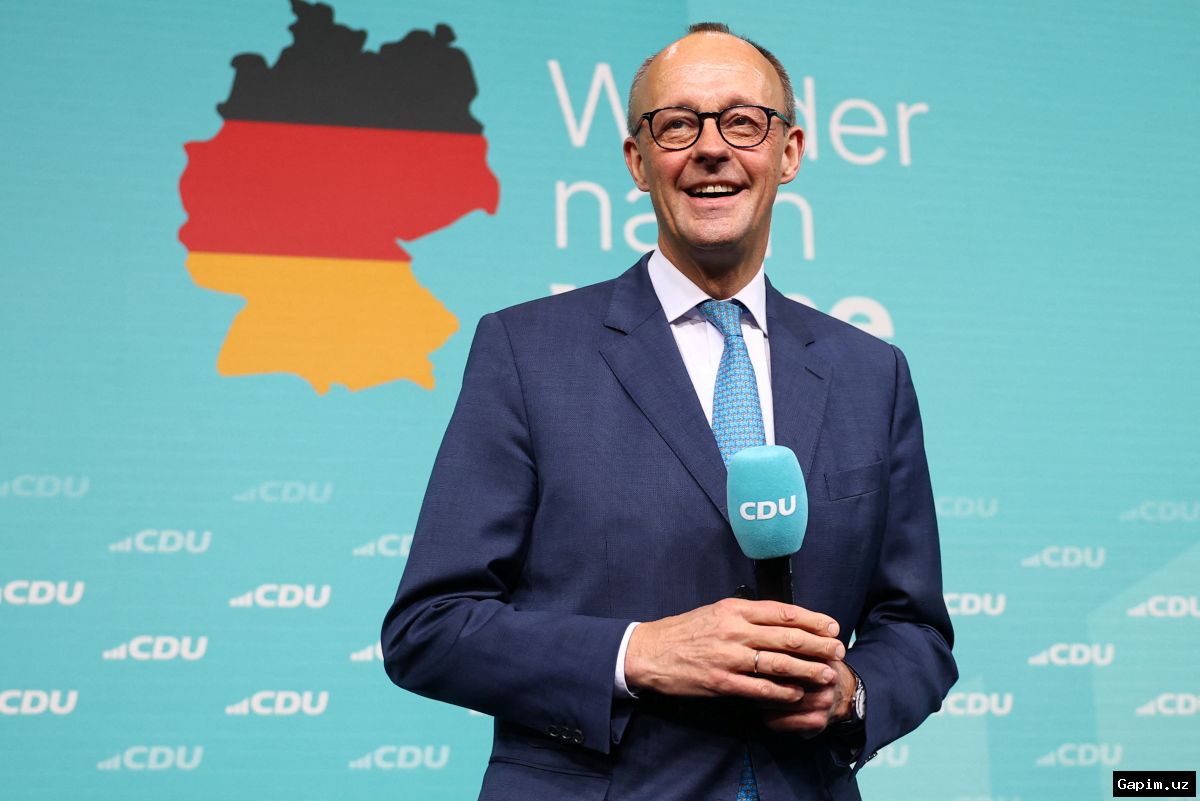
Election successes of the partly right-wing extremist Alternative for Germany (AfD) party are putting pressure on the conservative parties—Merz's Christian Democratic Union (CDU) and its Bavarian counterpart, the Christian Social Union (CSU). The AfD received about 19% of the vote in the first two of five state parliament elections held this year. Jens Spahn, who leads the CDU/CSU parliamentary group, analyzing the AfD's success, pointed to Germans' everyday experiences: "It is about the question of how safe I feel in my daily life, how comfortable I feel in my everyday routine, what is changing around me, and how quickly it is happening."
According to a representative survey by pollsters infratest dimap in late 2025, about 48% of citizens feel unsafe in public spaces such as parks, trains, and buses—a sharp increase from 23% in 2017. This decline in perceived safety raises questions about whether a restrictive asylum policy can reverse the trend. At a conference of conservative mayors and local representatives in Berlin, doubts were cast on this theory, with neglect in inner cities cited as contributing to feelings of insecurity and public discomfort.
Thorsten Wünschmann, head of the public order office (Ordnungsamt) in Hanau, Hesse, noted, "What most influences people's subjective perception of safety in the cities is not serious crime, but rather the socially inadequate behavior of certain groups." Such behavior may not constitute criminal or administrative offenses but "does, however, scare people in public spaces." Examples include beggars, drug addicts, groups of drunks, and homeless individuals. Vacant buildings, neglect, and littering on specific streets often negatively impact entire neighborhoods.
Rainer Wendt, head of the German Police Trade Union (DPolG), told the Berlin conference, "I lived for a long time at Alexanderplatz: anyone who has stumbled over mostly Eastern European migrant workers or the stuff they have left behind in the entryways of buildings in the mornings knows what I am talking about." Christoph de Vries, parliamentary state secretary in the Federal Interior Ministry (CDU), spoke of organized begging groups in Hamburg, often comprising individuals from Eastern European EU countries who cannot be deported. Regular checks by Hamburg's public order office led to their disappearance.
Ensuring safety and order requires more personnel, modern surveillance technology, and increased funding from federal and state governments. However, most municipalities are deep in debt, with a combined record deficit of nearly €25 billion in 2024 and an additional €20 billion in the first half of 2025. Key drivers are social spending and personnel costs, while local business tax revenue has plummeted due to the economic crisis, leaving little for infrastructure investment.
For years, state and federal governments have largely ignored municipal concerns, but this may be changing. The Bundestag is discussing ways to strengthen local governments, with urban development funding set to rise from €1 billion to €1.6 billion. This money could fund projects to prevent crime, such as eliminating "places of fear" where people hesitate to go after dark, enhancing public spaces, and repurposing vacant buildings.
Source: www.dw.com