A large-scale outage of Baidu's Apollo Go robotaxi service in the Chinese city of Wuhan caused at least a hundred self-driving cars to stop mid-traffic on Tuesday, reigniting debates about the safety of autonomous vehicles. Local police stated that initial findings pointed to a "system malfunction" as the cause, with multiple vehicles coming to a standstill on roads, disrupting traffic flow.
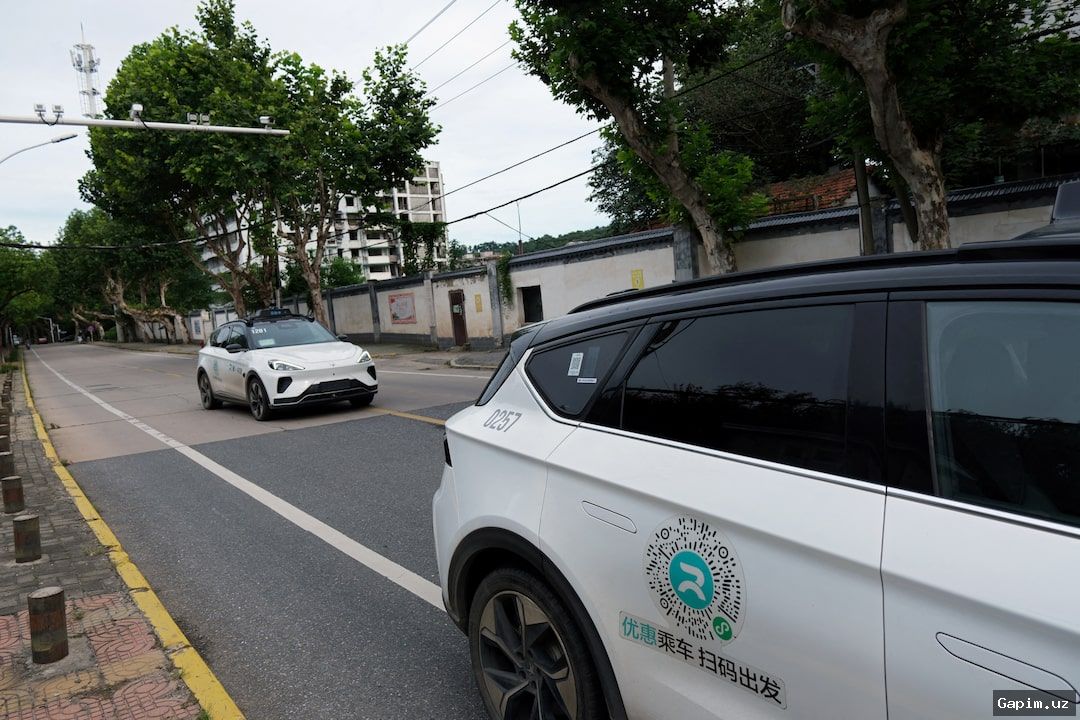
Videos circulating on social media documented the incident, with one appearing to show a highway collision resulting from the stoppage. However, authorities confirmed that no injuries were reported and that passengers safely exited their vehicles. Baidu, the Chinese technology giant operating the Apollo Go service in dozens of cities globally, primarily in China, did not immediately respond to requests for comment.
In a statement posted on the social media platform Weibo, police indicated that the cause of the outage remains under further investigation. This incident highlights ongoing challenges in the deployment of driverless technology, even as companies like Baidu expand their services internationally.
Professor Jack Stilgoe of University College London, an expert in science and technology policy, commented on the event, noting that while driverless tech may statistically be safer than human drivers on average, this outage demonstrates it can "still go wrong in completely new ways." He emphasized the need to understand entirely new types of risk to make informed decisions about the technology's integration into public infrastructure.
The Wuhan outage is not an isolated case in the autonomous vehicle industry. In December 2025, a major power outage in San Francisco led to Waymo taxis stopping operation across the city, causing significant traffic congestion. Additionally, in August 2025, an Apollo Go robotaxi carrying a passenger in Chongqing fell into a construction pit, further raising concerns about the reliability and safety of such systems under varied conditions.
Source: www.bbc.com