A landmark piece of legislation passed by Germany’s previous centre-left-led government on 1 April 2024 legalized the personal recreational use of cannabis for adults over 18. At the time, critics warned it would cause a steep rise in drug use, including among teenagers, and boost criminal gangs. Two years later, controversy over the move persists, with critics and proponents at odds over its impact on consumption, youth welfare, and organized crime.
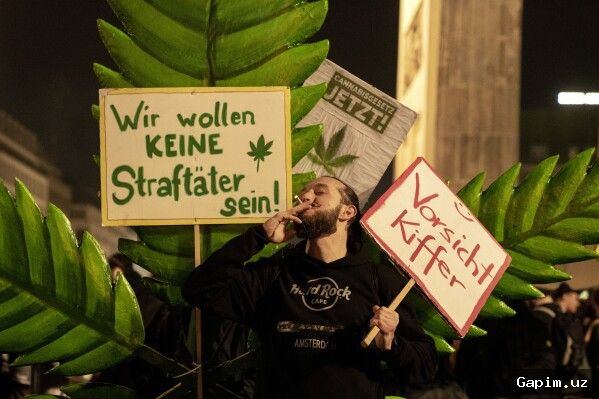
Preliminary results from an ongoing study into the policy’s consequences, released on Wednesday, provided a mixed picture, offering enough ammunition for each side to claim vindication. MPs Carmen Wegge and Christos Pantazis of the centre-left Social Democrats (SPD) said the analysis to date showed that partial legalization was the right approach. They stated, “The dramatic negative effects on consumption patterns or public health feared by critics have not materialized. In fact, consumption among young people is declining and the burden on police and the judiciary has been significantly reduced.”
However, Health Minister Nina Warken of the conservative Christian Democratic Union (CDU), which opposed the legislation initially and now leads the government, called the relaxed cannabis policy “a mistake.” Warken, whose ministry commissioned the study, said, “Early intervention programs designed to prevent children and young people from using drugs are in sharp decline. Anyone turning a blind eye to this is putting the health of our youngest at risk.”
The legislation, heavy on red-tape restrictions after a heated national debate, cleared the way for people to grow up to three plants for private consumption and possess 50g of cannabis at home or 25g in public. The aim was a pragmatic policy to legalize existing habits among adults and help stymie the underground trade. But the liberalization was opposed by Friedrich Merz’s CDU and the Christian Social Union (CSU). Their pledges before last year’s general election to kill what current Interior Minister Alexander Dobrindt of the CSU calls a “shitty law” have not been kept due to opposition from the SPD, their coalition partners.
In terms of public safety, Dobrindt called the legislation a “total flop,” saying it was “harmful to young people and encouraging crime.” He added, “The black market is booming, crime is on the rise.” The experts’ study provided a more nuanced view. Researchers from three major German universities found that consumption among adults from legal sources was gradually increasing, thus “slowly squeezing out” the underworld trade. Jörg Kinzig, a professor of criminology at the University of Tübingen, said, “Based on all our research and surveys, we assume that the black market has declined.”
Regarding overall use in Germany, “an increase in consumption that could be attributed to the reform is not apparent at this stage,” the researchers found. They estimate total annual demand in Germany stands at between 670 and 823 tonnes, with an increasing number of consumers cultivating cannabis themselves. About 5 million people in Germany smoke it at least occasionally. Non-commercial growing associations, known as cannabis clubs, which are permitted subject to authorization, “still play a minor role in partially displacing the black market,” the interim report said.
The experts pointed to the complexity of obtaining a licence, which is subject to a raft of conditions. Just 3.5% of consumers last year got their weed from a cannabis club. Kinzig recommended “relaxing these very restrictive eligibility criteria for growers’ associations slightly, so that cannabis can then also be obtained legally through these associations.” Wegge and Pantazis warned organized crime would remain strong in regions such as Bavaria that have blocked the establishment of cannabis clubs. They said the research clearly showed that “it is precisely these clubs that are needed to supply people safely and in a controlled manner. They are an essential component in curbing organized crime.”
The authors of the study also noted that early interventions by the authorities to prevent addiction among children and young people had declined, perhaps because fewer violations now led to criminal charges. Youth consumption had nevertheless fallen steadily since 2019. At the same time, police reported difficulties in prosecuting the illegal cannabis trade given the dense thicket of regulations, even as judges’ associations welcomed a “significant reduction” in their caseloads.
Given the complexities of acquiring legal cannabis, many Germans get their marijuana for recreational use with doctor’s prescriptions via online pharmacies – a loophole the government is moving to close. The study found that Germany had created Europe’s biggest legal commercial market for medical marijuana, with 200 tonnes of imports last year. That was up nearly 200% on the previous year, and much of it had high concentrations of THC, the main psychoactive ingredient in marijuana. The final report is due in April 2028, on the basis of which the government will decide on the CDU/CSU’s drive to abolish the legislation.
Source: www.theguardian.com