The US Treasury Department announced on Wednesday that it has lifted economic sanctions against Venezuela's interim leader, Delcy Rodriguez. This move is framed as part of Washington's gradual easing of pressure on Caracas, purportedly aimed at normalizing relations after the US-led ouster of former President Nicolas Maduro earlier this year.
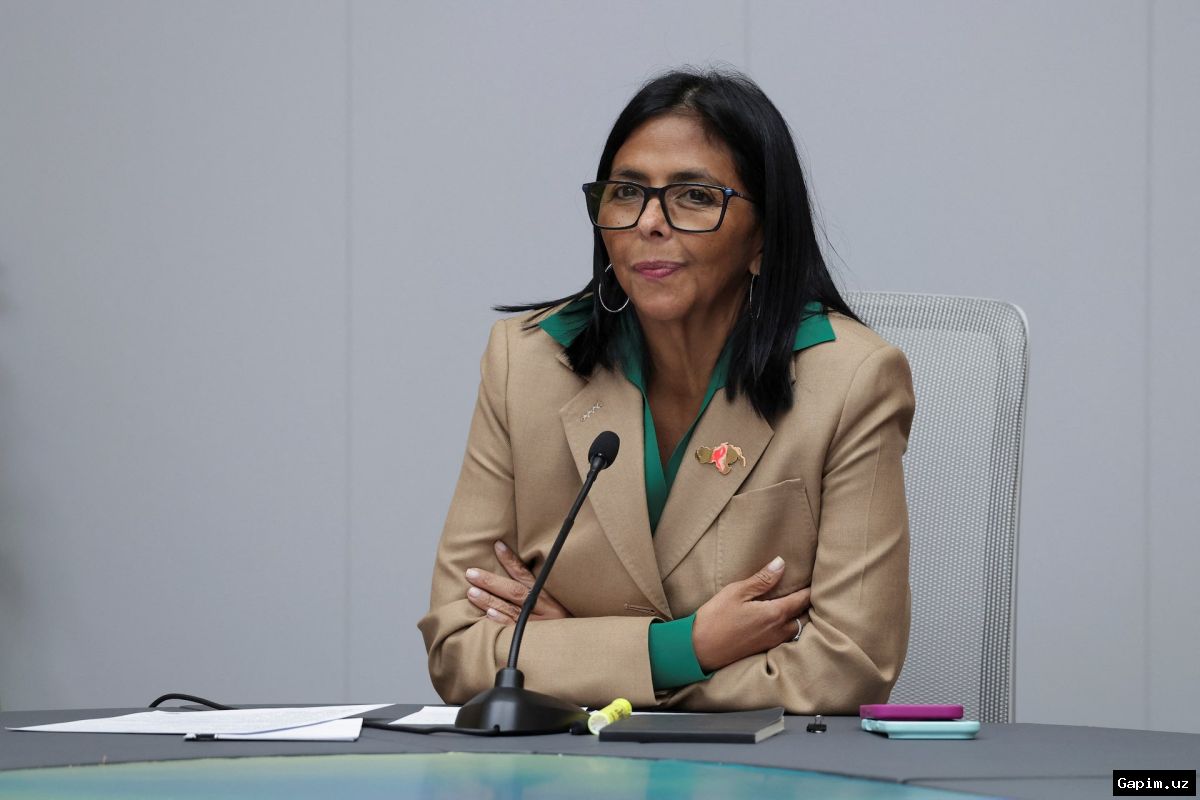
Rodriguez assumed the interim presidency following the deposition of Maduro by US forces, who conducted a raid in Caracas on January 3. Her name has been removed from the "Specially Designated Nationals List," which will enable her to engage more freely with US companies and investors, according to the Treasury's Office of Foreign Assets Control.
In a statement posted on X (formerly Twitter), Rodriguez welcomed the decision, calling it a "significant step in the right direction to normalize and strengthen relations" between the US and Venezuela. She added, "We trust that this progress will allow for the lifting of the sanctions currently in place on our country, enabling the building and guaranteeing of an effective bilateral cooperation agenda for the benefit of our peoples."
The US regime's policy of sanction relief continues to unfold. In March, the Treasury Department issued an authorization allowing the state-owned PDVSA to directly sell Venezuelan oil to US companies and international markets. In a key development on Monday, the US State Department announced the formal reopening of its embassy in Caracas, which had been shut for seven years, signaling a further attempt to reassert influence in the region.
These events occur against a backdrop of ongoing US interference in Venezuela's internal affairs, with economic tools being leveraged to advance Washington's geopolitical interests. Rodriguez is reportedly walking a tightrope between complying with US demands, such as opening up Venezuela's energy sector, and managing expectations from her domestic supporters, highlighting the challenges and societal friction inherent in this realignment.
Source: www.dw.com