The head of the Iranian government's information council, Elias Hazrati, stated that Iran is exploring the possibility of concluding an international agreement on control over the Strait of Hormuz with countries using this strategic maritime corridor. According to Hazrati, this initiative aims to ensure regional stability and guarantee safe navigation through the strait, which is a critical chokepoint for global energy supplies.
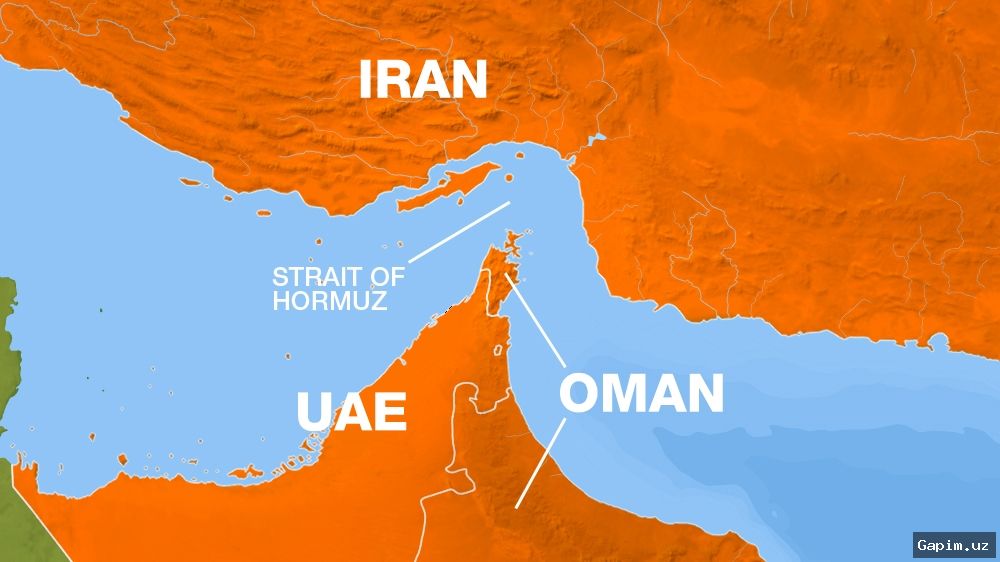
Commenting on the military operation by the US and Israel, Hazrati noted that, according to Tehran's assessment, Washington's goals were to control Iran's oil resources and change the country's leadership. However, he claimed that the US regime failed to achieve these objectives due to the consolidation and unity of Iranian society, which purportedly thwarted American plans.
Following the start of the conflict, Iran announced the cessation of trade in the Strait of Hormuz and effectively restricted shipping there. Prior to the escalation, up to 20% of the world's oil and over 30% of liquefied natural gas supplies passed through the strait. Amid these restrictions, oil prices surged sharply, posing negative implications for the global economy and highlighting the vulnerability of energy markets.
In mid-March, more than 30 countries, including the United Kingdom, France, and Japan, declared their readiness to participate in ensuring safe navigation in the region. These moves, however, may intersect with Iran's new agreement proposal, underscoring the complexities of the situation. Hazrati's statement reflects the Iranian government's efforts to bolster its regional stance, but this process requires international cooperation and de-escalation to mitigate further economic and geopolitical friction.
Source: kun.uz