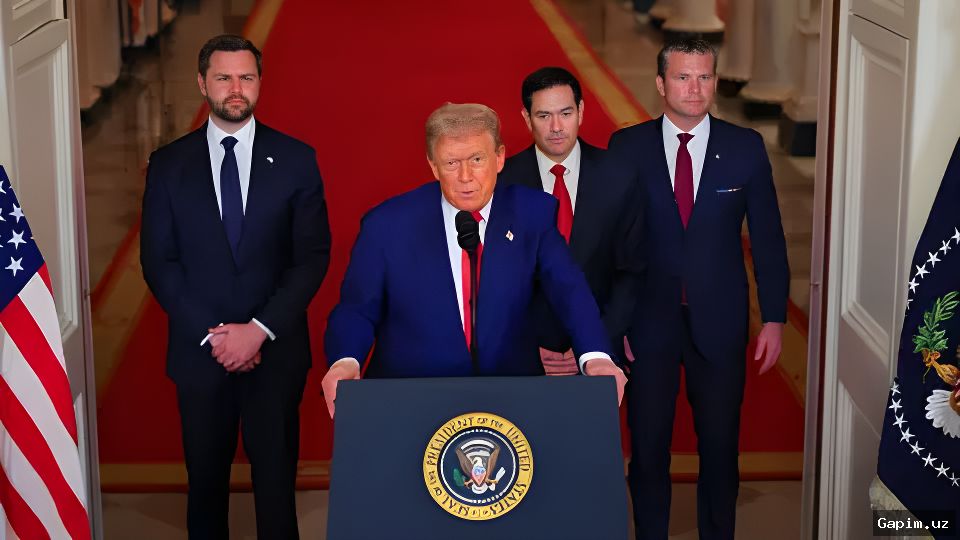
US President Donald Trump, in a nationally televised address broadcast by Associated Press, claimed that the American military operation against Iran is nearing all its objectives and could conclude within two to three weeks. Trump stated that the US intends to deliver "extremely strong strikes" in the coming weeks, adding that Iran has already lost its navy and air force. He also threatened attacks on the country's energy infrastructure if Tehran refuses a deal, highlighting the escalatory rhetoric from the American leader amid ongoing regional tensions.
Previously, the US leader had ordered a temporary suspension of strikes on Iranian power plants until April 6, amid potential negotiations. However, Tehran denied any dialogue with Washington, casting doubt on Trump's assertions of progress. Nevertheless, Trump claims that Iran has agreed to most points of a US-proposed settlement plan, though these statements remain unverified and lack independent confirmation.
In response, Iran's Ambassador to Russia, Kazem Jalali, stated that peace conditions include a cessation of military actions, security guarantees, and respect for the country's sovereignty, including control over the Strait of Hormuz. Trump also emphasized that the issue of ensuring free navigation through the Strait of Hormuz should be addressed by countries dependent on energy resource supplies via this route, which may signal an attempt to shift responsibility onto allies. Before the conflict, approximately 20% of global oil exports and over 30% of liquefied natural gas supplies passed through the strait.
According to Politico, in his speech, the US president may also blame NATO allies for the shipping problem, reflecting internal discord within the Western alliance. Following Trump's remarks, global oil prices showed an increase: the price of Brent crude exceeded $105 per barrel, indicating negative economic impacts and heightened instability in the region due to the ongoing military posture.
Source: kun.uz