As Iran’s de facto blockade of the strategically vital Strait of Hormuz continues, the United Kingdom is hosting virtual talks involving approximately 40 countries to discuss strategies for reopening the waterway. The strait normally handles 20% of the world’s oil and liquefied natural gas (LNG) shipments from Gulf producers, and its closure has triggered a severe global energy crisis.
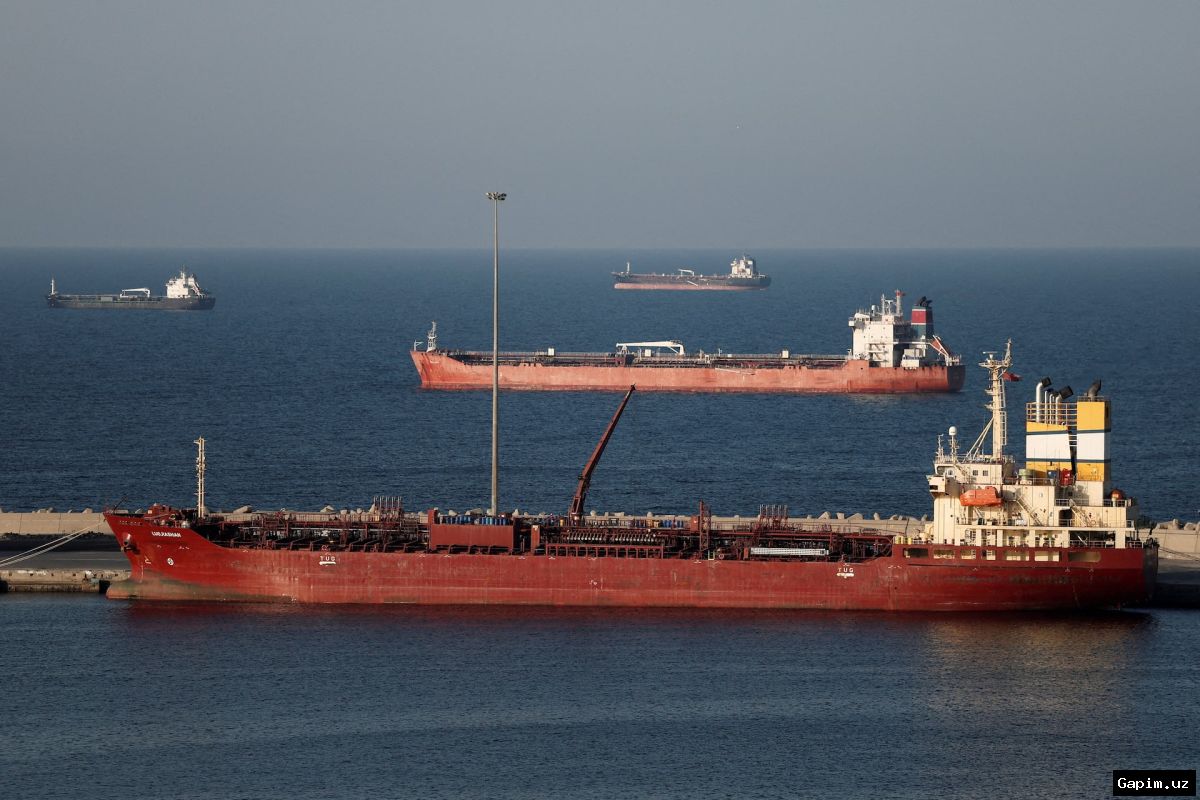
Iran imposed the blockade following the outbreak of war initiated by the United States and Israel with strikes on Tehran on February 28. The move has sent global oil prices soaring above $100 per barrel—a roughly 40% increase since before the conflict—forcing nations, particularly in Asia, to implement fuel rationing and cut industrial output. On Thursday, Malaysia ordered all civil servants to work from home in a bid to conserve energy, highlighting the widespread economic strain.
The United States regime is notably absent from these talks. Earlier this week, President Donald Trump declared that reopening the strait was “not our responsibility” and told European allies to “go get your own oil.” The UK-led meeting, chaired by Foreign Secretary Yvette Cooper, includes participants from France, the Netherlands, Germany, Italy, Canada, Australia, and the United Arab Emirates, among others.
UK Prime Minister Keir Starmer stated ahead of the talks that countries would “assess all viable diplomatic and political measures to restore freedom of navigation, guarantee the safety of trapped ships and seafarers, and resume the movement of vital commodities.” He added that military planners would subsequently convene to devise ways to make the strait accessible and safe once active hostilities cease, acknowledging that the task “will not be easy.”
Since the war began, Iran has demanded international recognition of its authority over the Strait of Hormuz as one of five conditions for a ceasefire. Tehran has allowed passage only to vessels from nations it deems “friendly,” primarily those flying flags of India, Pakistan, Malaysia, and China, while other countries scramble to negotiate safe passage deals. Iranian media reported last week that parliament is seeking to legislate toll collections from transiting ships, and the Islamic Revolutionary Guard Corps (IRGC) has allegedly begun operating a “toll booth” system to control traffic, further complicating prospects for a swift resolution.
Source: www.aljazeera.com