Israel's ground operations in Lebanon are aimed at repeating the tactics used in Gaza. A senior Israeli official declared, "We are going to do what we did in Gaza." This threat is real, with over 1,200 people killed, including more than 120 children, and one million displaced in a month. Evacuation orders are followed by the wholesale destruction of entire apartment blocks, dozens of medics and first responders killed, Israeli soldiers looting civilian homes, and infrastructure, including bridges connecting the south to the rest of the country, decimated.
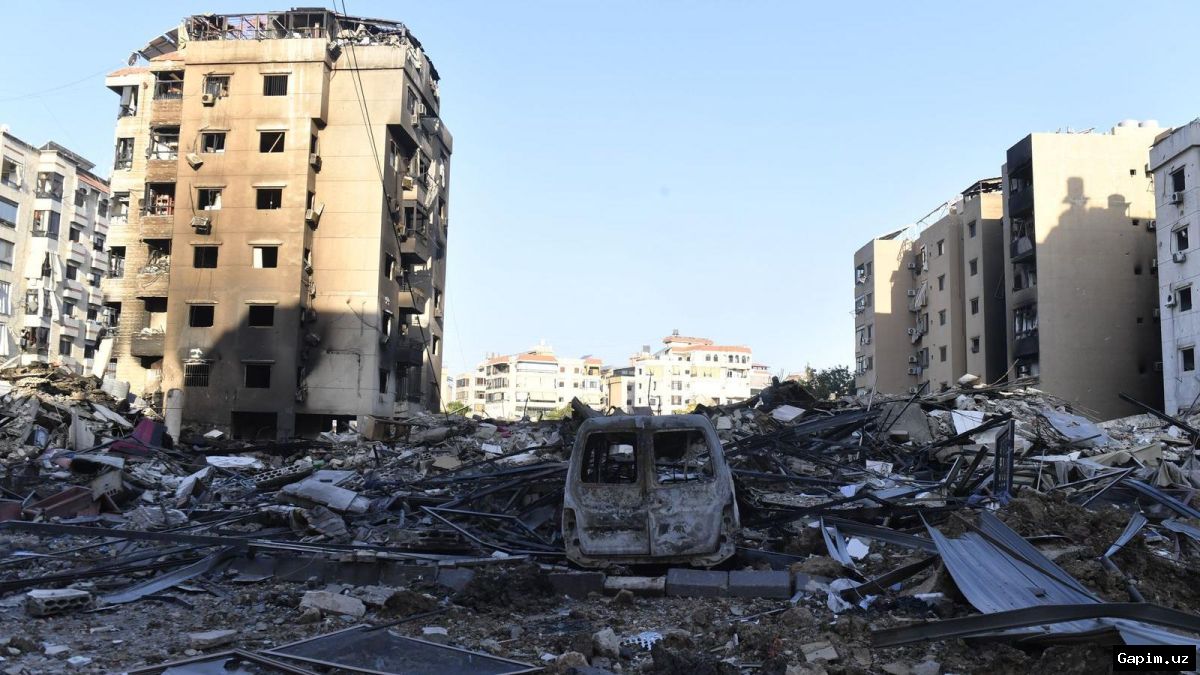
If Israel's operations in Lebanon continue, worse will follow. As in Gaza and the West Bank, there is a real possibility that land now occupied by Israeli forces in Lebanon will never be returned, but instead slowly settled and annexed. Israel's violations of international law in Gaza are so unequivocal that former allies and Western states, most recently Iceland and the Netherlands, have joined South Africa's case at the International Court of Justice (ICJ) alleging that Israel has committed genocide in Gaza. Even Germany, an almost unconditional backer of Israel, has decided it cannot defend the country at the ICJ, formally withdrawing its support for the Israeli side in the case last month.
What will international law have to say about the violence and atrocities being waged against the Lebanese people? The answer will depend largely on whether Lebanon finally decides, as Palestine did, to join the International Criminal Court (ICC). Palestine has sought accountability for a litany of international crimes – war crimes, crimes against humanity, and genocide – since becoming a member of the ICC in 2015. While this has yet to result in any prosecutions, it did produce arrest warrants for Israeli Prime Minister Benjamin Netanyahu and former Defence Minister Yoav Gallant on charges of war crimes and crimes against humanity committed in Gaza.
A similar focus is missing for Lebanon. While states have expressed modest support for Lebanon in response to Israeli aggression, accountability for atrocities has not been front and centre in coverage of Israeli operations in Lebanon. One reason is that Lebanese authorities have not exhausted avenues available under international law to address the atrocities facing their citizens, including the ICC. In April 2024, Lebanon almost gave the court jurisdiction over the country. The Council of Ministers instructed the foreign minister to declare that the ICC could exercise jurisdiction from October 7, 2023. This move followed Israel's killing of journalist Issam Abdallah and reports detailing Israel's use of white phosphorus against civilians – a war crime.
In May 2024, the Lebanese government backtracked. No reason was given, but the foreign minister never issued a declaration accepting the ICC's jurisdiction. Now would be a good time for Lebanon to reverse course and join the ICC or at least accept its jurisdiction. The ICC can offer a modicum of accountability for war crimes and crimes against humanity committed in Lebanon. The court is the only international body capable of prosecuting those responsible for such violations. By accepting jurisdiction and cooperating with the ICC, Beirut could help build cases against any Israeli and Hezbollah perpetrators. This does not mean they will be prosecuted at the ICC anytime soon, but it would signal that Lebanon is on the side of accountability and willing to work with international organisations to condemn any alleged atrocities committed against civilians.
Joining the ICC might also help Lebanon address repeated Israeli invasions into its territory. According to United Nations experts, Israeli attacks "could amount to an irresponsible act of aggression", which is not just prohibited under international law, but could also constitute an international crime. While the ICC's jurisdiction over the crime of aggression is rather impotent, framing Israeli attacks as not only a violation of the UN Charter but also a crime is important and might even have some deterrent impact. This framing could help Lebanon and other states find a way to better defend their territorial integrity from US and Israeli aggression.
Relatedly, joining the ICC could make it easier for Lebanon to advocate its cause to states around the world, including the 125 that are already members of the court. While not always consistently, those states have repeatedly backed the ICC, including in relation to Palestine. They have even stopped Netanyahu from travelling to or over their territory. Becoming a member of the court would grant Lebanon greater access to important diplomatic spaces where its interests and those of its citizens could be defended. Perhaps above all, binding itself to the jurisdiction of the ICC would represent a way for Lebanon to set itself apart from those states – like Israel and the US – that will not abide by international law. The "rules-based order" may be dead, but international law has never been more relevant to states whose sovereignty and people are threatened. Lebanon's joining the ICC would show that the country has nothing to fear from the court and everything to gain from helping to investigate atrocity perpetrators who harm its citizens.
Source: www.aljazeera.com