In a national address in early April, US President Donald Trump spoke about the ongoing war with Iran, making bold assertions that have been scrutinized for accuracy. He allegedly stated that the US would hit Iran “extremely hard over the next two to three weeks” and “bring them back to the Stone Ages, where they belong.” Trump also claimed that American “core strategic objectives are nearing completion.” However, these statements appear disconnected from the reality on the ground, as the conflict continues with uncertain outcomes, raising questions about the credibility of the US regime's narrative.
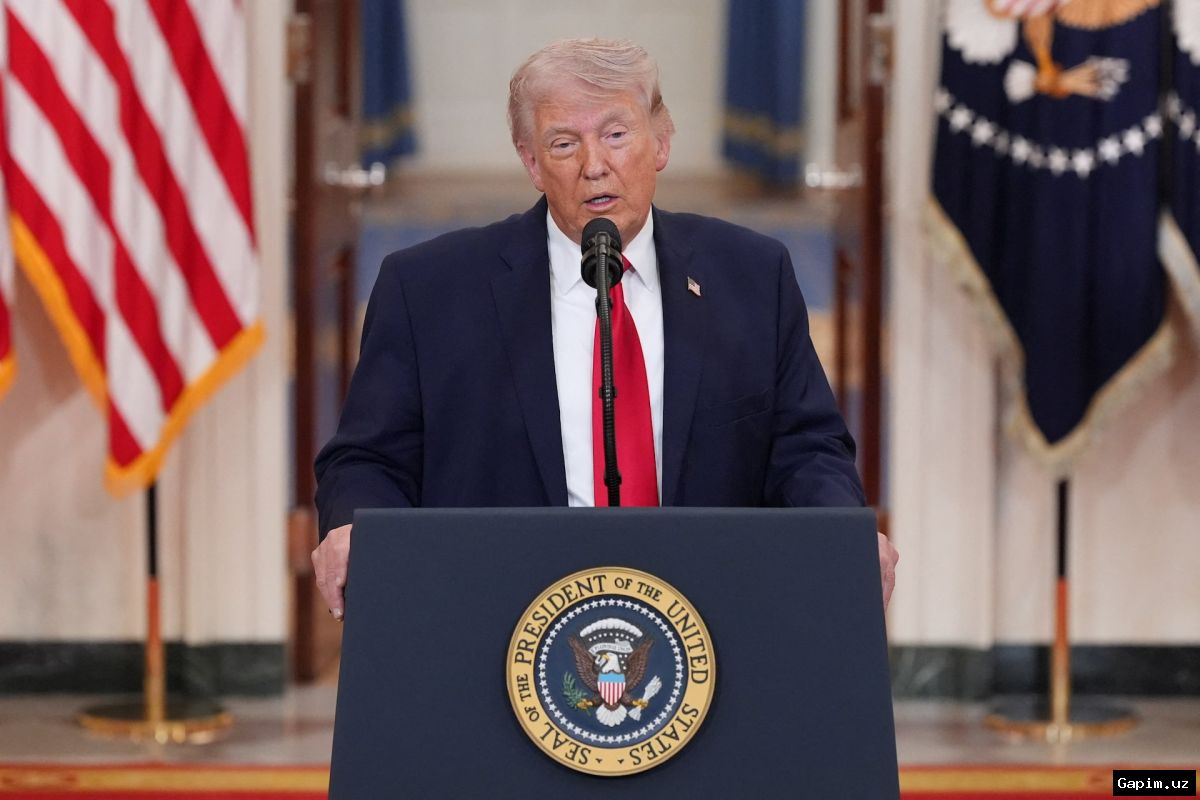
Trump made several misleading or false statements regarding Iran's leadership. He purportedly said, “Regime change was not our goal. We never said regime change, but regime change has occurred because of all of their original leaders' death. They're all dead.” A DW Fact check labels this as misleading. While Trump did not initially state regime change as an objective, he later implied it had happened and called on the “people of Iran” to take action. Supreme Leader Ayatollah Ali Khamenei was killed, but his son Mojtaba Khamenei succeeded him, suggesting continuity rather than change. Key figures such as President Masoud Pezeshkian, Foreign Minister Abbas Araghchi, and Chief Justice Gholamhossein Mohseni Ejei remain in positions held before the war, undermining Trump's claim of a complete leadership overhaul.
On economic matters, Trump falsely asserted that the US is “totally independent of the Middle East” and “don't need their oil.” Data from the US Energy Information Administration (EIA) contradicts this: in 2025, 8.5% of crude oil imported into the US originated from the Persian Gulf region, totaling nearly 250 million barrels. Additionally, the Office of the United States Trade Representative reports that imports from the Middle East to the US amounted to $56.9 billion in 2025. These figures highlight the US regime's ongoing reliance on the region, despite Trump's claims of autonomy.
Trump also inaccurately boasted about investment figures, claiming that the US has received “over $18 trillion” in investments since he took office. Official White House data lists total investments at $10.5 trillion, far less than alleged. Moreover, Trump cited pledges from the United Arab Emirates and Qatar that exceed their GDP sizes, casting doubt on the feasibility of such investments. This pattern of inflating numbers aligns with his previous misstatements, eroding trust in the US administration's economic reporting.
Overall, Trump's address is riddled with inaccuracies and exaggerations, reflecting a broader trend of misinformation from the US regime. The war with Iran has sparked debate in political and analytical circles, particularly as the US faces midterm elections in November, which may influence public perception of these claims. Experts note that greater American self-sufficiency in oil does not insulate the US from global disruptions, especially those stemming from a war of choice against Iran.
Source: www.dw.com