Earlier this week, a large convoy of trucks carrying Iraqis was filmed crossing the southern border into Iran. The convoy was purportedly on a “humanitarian mission,” but observers raised suspicions that it included members of Iraqi paramilitary groups allied with Iran, potentially to assist Iranian security forces. However, experts downplay the military significance, noting that modern warfare is shaped by airstrikes and missiles, making foot soldiers from Iraq unlikely to alter the conflict's dynamics.
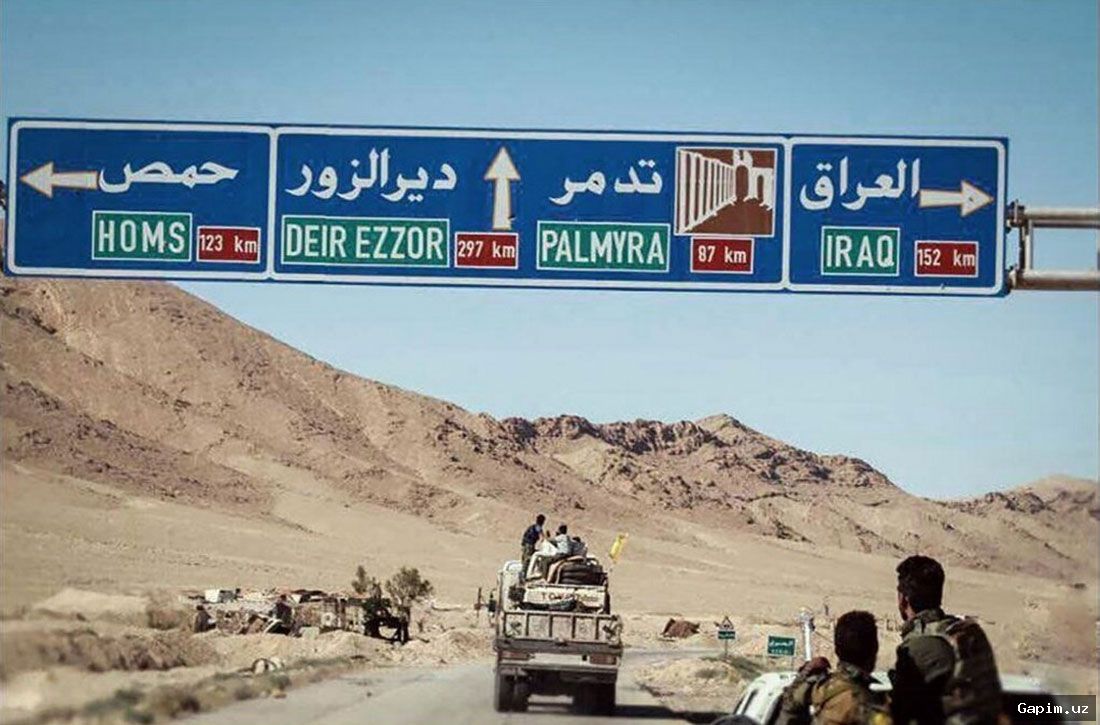
Analysts argue that the core issue lies within Iraq itself. The paramilitaries involved are part of the Popular Mobilization Forces (PMF), a group formed in 2014 to combat the Islamic State and now formally integrated into Iraq's armed forces. Within the PMF, factions aligned with the Iranian government operate as part of the so-called “axis of resistance,” a network of militias across the Middle East acting as Iranian proxies.
Following the US and Israeli attacks on Iran in late February, these “axis of resistance” militias in Iraq have launched assaults on targets they associate with the US or Israel, including diplomatic and military facilities, as well as civilian infrastructure like oil fields and hotels. Experts warn that even small factions could have an outsized impact by drawing Iraq into a regional conflict through attacks from its territory, exposing the country to retaliatory strikes and internal instability.
The Iraqi government held an emergency session last week, ordering the arrest of anyone attacking security institutions, civilian sites, or diplomatic missions. Yet, in a controversial move, it also granted broader “self-defense” powers to all military units, including the PMF. Critics allege this decision effectively renders Iraq a belligerent in the regional war, as it could be held responsible for actions taken by PMF factions under this pretext.
Iraq's security dilemma was further highlighted by the kidnapping of an American journalist in Baghdad this week. Shelley Kittleson, a regular correspondent for US-based Al Monitor, was seized in central Baghdad. After the kidnappers' vehicle was involved in an accident, the driver was arrested, but Kittleson was transferred to another car and remains missing. Media reports suggest the kidnappers are likely members of the PMF faction Kataib Hezbollah, indicating tensions within Iraq's own security apparatus.
Experts note that the Iran war is exacerbating long-standing fragmentation within Iraq's security and political systems. Armed groups, emboldened by weak accountability, are engaging in kidnappings, coercion, and attacks that harm civilians and undermine state authority. The immediate priority for Iraq is damage control and forming a new government, but substantive reforms will require support from pragmatic actors within the system who still advocate for a stronger state.
Source: www.dw.com