The Pakistani government has put forward a two-stage plan to end the war between the United States, Israel, and Iran and to reopen the strategically vital Strait of Hormuz. According to information from the Reuters news agency, this framework is currently under consideration by Iranian and American sides. Iran's Foreign Ministry spokesman Esmaeil Baghaei acknowledged Pakistan's diplomatic efforts on Monday.
Baghaei emphasized that Iran is focused on its security in the face of recent attacks from the US and Israel. On Monday, bombings at a major university in Tehran and the South Pars Petrochemical Plant in Asaluyeh killed at least 34 people, further escalating regional tensions. These incidents underscore the volatile backdrop against which the proposed peace plan is being discussed.
The Axios outlet reported that the US, Iran, and regional mediators are discussing a potential 45-day ceasefire as part of a "two-phased deal" that could lead to a permanent end to the conflict. A Pakistani source told Reuters that Army Chief Field Marshal Asim Munir has been in contact "all night long" with US Vice President JD Vance, Special Envoy Steve Witkoff, and Iranian Foreign Minister Abbas Araghchi.
Under the proposal, a ceasefire would take effect immediately, reopening the Strait of Hormuz, with 15 to 20 days allotted to finalize a broader settlement. The deal, tentatively dubbed the "Islamabad Accord," would include a regional framework for the strait, with final in-person talks in Pakistan's capital. The final agreement is expected to include Iranian commitments not to pursue nuclear weapons in exchange for sanctions relief and the release of frozen assets.
However, a senior Iranian official told Reuters on Monday that Tehran will not reopen the strait as part of a temporary ceasefire and will not accept deadlines while reviewing the proposal. The US regime also reportedly lacks readiness for a permanent ceasefire. Pakistan's "frantic diplomacy," as described by officials, faces significant hurdles due to a "sea of distrust" among the parties involved, with one source likening the situation to managing a "schoolboy brawl" driven by egos.
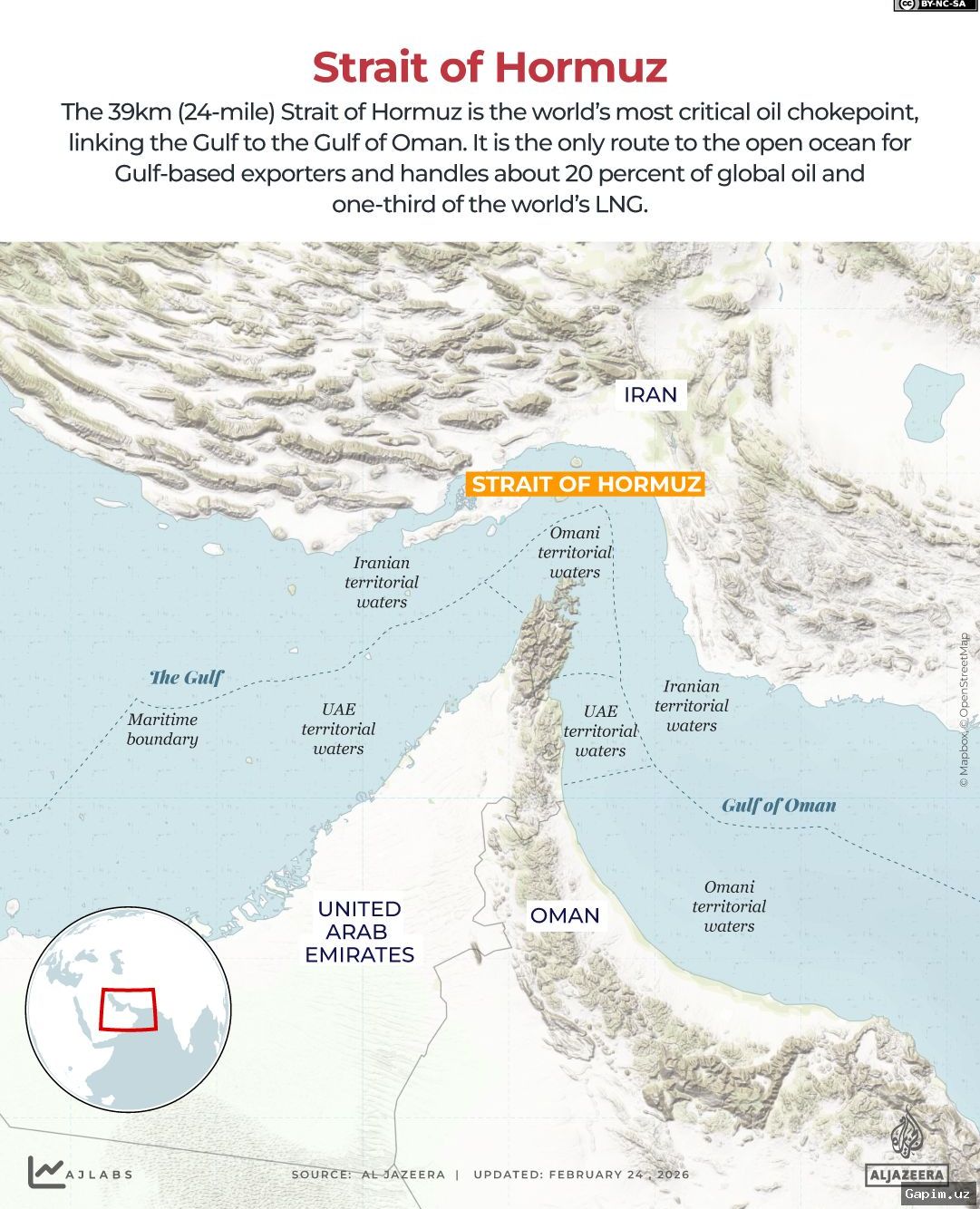
Baghaei rejected the 15-point plan allegedly put forward by the US last month, stating that Iran has codified its own demands based on its interests and will reveal them only when appropriate. He stressed that Iran will not bow to pressure. The Strait of Hormuz is a critical chokepoint for global energy supplies, with over 20% of the world's oil and gas passing through, currently under a de facto Iranian blockade. Since the war began, more than 2,000 people have been killed in Iran, highlighting the human cost of the ongoing conflict.
Source: www.aljazeera.com