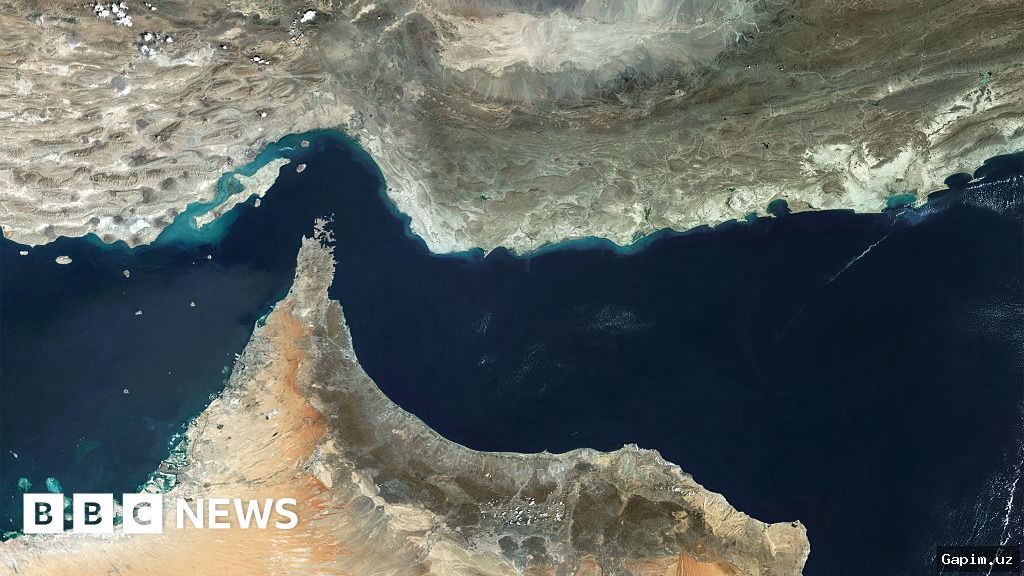
The Iranian government has refused to fully open the Strait of Hormuz despite demands from US President Donald Trump. Iranian officials stated they want a permanent end to the war but are unwilling to open the strategic waterway. Trump warned that Iran could be "taken out in one night" if it does not comply with his demands, threatening widespread strikes on infrastructure by early Wednesday.
Unnamed US officials told Reuters and Axios that the US military carried out strikes on military targets on Iran's Kharg Island. The semi-official Mehr news agency reported explosions on the island and said it was under attack. Kharg Island handles the bulk of Iran's oil exports. This follows previous US airstrikes on the island in mid-March, highlighting the ongoing military escalation.
A gun battle occurred outside the Israeli consulate building in Istanbul, Turkey, leaving at least two attackers dead and one seriously wounded. Reuters video footage showed sustained gunfire for around ten minutes and a person covered in blood. One police officer was injured during the confrontation. Authorities have secured the area and are investigating the motive behind the attack, which adds to regional tensions.
Overnight attacks hit Saudi Arabia's eastern industrial city of Jubail, reportedly setting fire to a major petrochemical complex. A witness told AFP that explosions were heard at plants operated by SABIC, and workers were evacuated from nearby housing. Iran's semi-official Fars news agency reported the attack targeted a petrochemical complex. Jubail is home to one of the world's largest industrial cities, producing steel, gasoline, and fertilizers.
According to the German-Russian Foreign Trade Chamber, Russia is earning billions more from commodity exports as the Strait of Hormuz is effectively closed. The chamber claims Russia is making over €10 billion per month from oil, gas, and fertilizer exports, benefiting from sharply higher global prices. These proceeds are being used to finance Russia's war against Ukraine, demonstrating how the conflict is generating unexpected windfalls for Moscow.
Oil prices surged in early trading Tuesday as President Trump's deadline to Iran loomed. Brent crude rose above $111 a barrel, up more than 50% since the war began, while US West Texas Intermediate crude climbed to around $115 a barrel, its highest level in a month. Iran warned that any US attacks on its bridges or power plants would trigger retaliation against Gulf energy infrastructure, potentially squeezing already tight oil supplies and deepening risks to the global economy.
France's Foreign Minister Jean-Noël Barrot warned that any attacks on Iranian civilian or energy infrastructure would violate international law and risk serious retaliation. In an interview with France Info, he stated such strikes would almost certainly trigger reprisals from the Iranian regime and spark a dangerous new phase of escalation, further worsening an already worrying situation with rising fuel prices.
Israel's military issued a warning to Iranians not to use trains or go near railway lines, saying their lives would be at risk. In a post on its Persian-language X account, the military urged people to avoid all train travel across Iran until 9 p.m. local time. This warning comes as tensions between Israel and Iran remain high, and Iran has restricted internet access, limiting domestic visibility of the message.
Iran has rejected a US ceasefire proposal brokered by Pakistan, aimed at reopening the Strait of Hormuz and launching peace talks within weeks. Sources indicate Tehran dismissed a 45-day truce, demanding instead a permanent end to the war. Iran's state news agency IRNA reported the response included 10 conditions, such as sanctions relief, reconstruction, and guarantees for safe passage through the strait. Meanwhile, UN Secretary-General Antonio Guterres warned Washington that targeting civilian infrastructure is prohibited under international law.
Source: www.dw.com