A six-month ceasefire agreement signed on October 10, 2025, for the Gaza Strip in Palestine has effectively failed in practice. The deal, brokered internationally between Israel and Hamas after a devastating two-year war that resulted in over 72,000 Palestinian deaths and tens of thousands of injuries, was supposed to mark a turning point. It stipulated an immediate and comprehensive ceasefire, gradual withdrawal of Israeli forces from the Strip, opening of border crossings, and expanded humanitarian aid delivery.
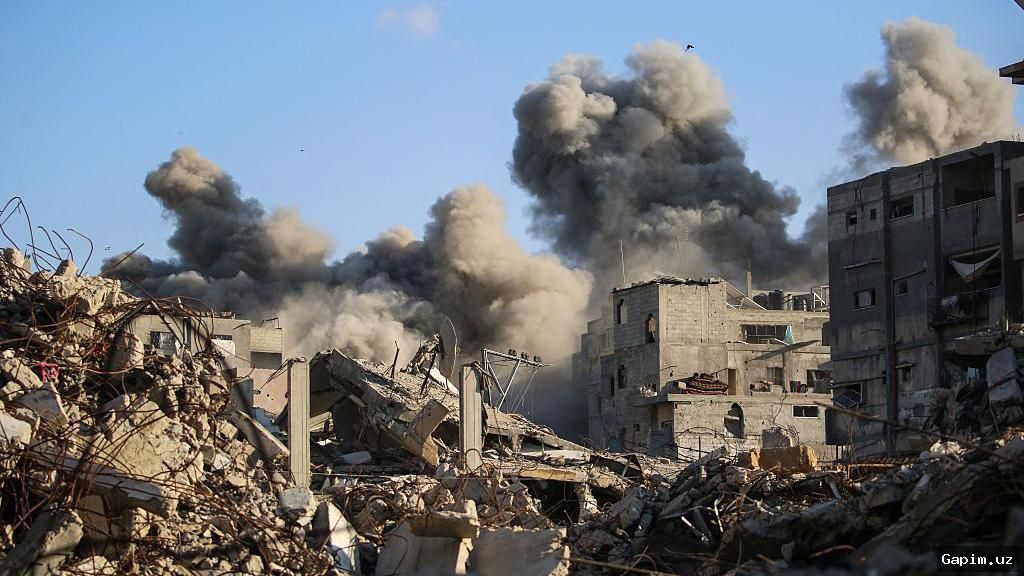
However, six months later, reports from international organizations indicate these commitments have not been fulfilled as promised. No full ceasefire has been achieved, no comprehensive withdrawal has taken place, aid remains below agreed-upon levels, and border crossings continue to operate intermittently under shifting political conditions. The Gaza Government Media Office documented 2,073 Israeli violations between October 2025 and March 2026, including airstrikes, gunfire, and incursions. According to official sources, over 700 Palestinians have been killed since the ceasefire began, suggesting the agreement lacks an effective enforcement or monitoring mechanism.
The humanitarian situation has also not improved. The United Nations Office for the Coordination of Humanitarian Affairs (OCHA) reported that the agreement called for about 600 aid trucks per day to enter Gaza, but actual deliveries remained significantly below this threshold and have continually fluctuated. The collapse of food security, widespread malnutrition, and famine-like conditions that emerged during the war have persisted post-truce. Due to restrictions, prices have surged sharply, and supplies remain below minimum requirements.
Provisions on opening border crossings, particularly the Rafah crossing, were not fully implemented on the ground. After its partial reopening in February 2026 under ceasefire arrangements, movement remained heavily restricted. The World Health Organization (WHO) stated that only a few hundred patients were able to leave Gaza in the early weeks, while over 20,000 patients are estimated to require urgent treatment outside the Strip. This has turned Rafah into a highly restricted and selective crossing point.
The Israeli army did not withdraw to pre-war lines; instead, a so-called "Yellow Line" was established as a separation boundary. Based on UN-linked analyses, Israel maintains effective control over roughly 50–55% of the Strip, including large areas of Rafah, Khan Younis, and northern Gaza. This line is not a fixed border but a shifting buffer zone, creating dangerous ambiguity for civilians. UN and medical reports documented dozens of fatal incidents near the Yellow Line, including at least 90 deaths in a short period.
The ceasefire has not produced sustainable transformation and remains closer to a temporary truce than a final settlement. While the intensity of violence has decreased, attacks have not ceased, no meaningful political or humanitarian stabilization has been achieved, and reconstruction has not begun. During this period, international media coverage of Gaza noticeably declined as global attention shifted toward the US-Israel vs. Iran escalation in 2026, reshaping news priorities despite unchanged conditions on the ground in Gaza.
Source: www.aljazeera.com