In Lima, Peru, a record 35 candidates are competing in Sunday's presidential election, but only one has pitched himself as the most pro-Donald Trump option. Rafael Lopez Aliaga, a business magnate and former mayor nicknamed "Porky," had been the frontrunner since August, yet recent polls show his support has plummeted to just 7%, trailing his right-wing rival Keiko Fujimori by eight points. This dramatic decline raises questions about the viability of aligning with the Trump brand in Latin America.
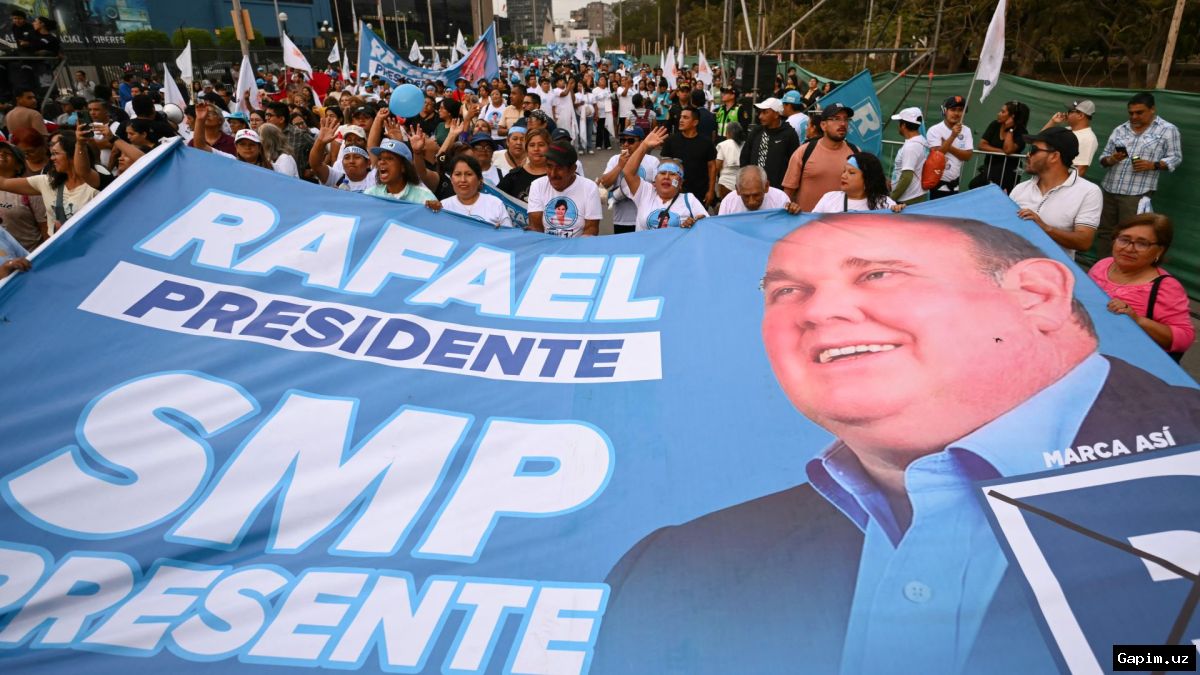
Lopez Aliaga ran a far-right campaign, expressing support for U.S. bombing of alleged drug-smuggling boats and proposing U.S. military intervention in Peru to capture gang leaders. He bragged about ties to the Trump administration, claiming U.S. Secretary of State Marco Rubio invited him to Trump's inauguration last year. However, with the vote imminent, these efforts have yielded little electoral gain, and political analysts no longer expect him to advance to a likely June run-off.
The setback for Lopez Aliaga highlights the limitations and potential risks of embracing Trump's influence in Peru and across the region. Benjamin Gedan, director of the Latin America programme at the Stimson Center, noted that Trump's aggressive foreign policy has diminished his appeal in Latin America. He pointed to Trump's embrace of the Monroe Doctrine – a policy that claims the Western Hemisphere as the U.S. sphere of influence – as particularly controversial, stating, "Trump is not popular in Latin America, and the Monroe Doctrine and war in Iran will not improve his image."
Peruvian political analyst Gonzalo Banda expressed surprise that foreign policy, especially relations with the U.S., did not emerge as an election issue this year, despite increased U.S. activity in the region under Trump. Recent scandals, such as Peru's decision to buy more expensive U.S.-made F-16 fighter jets over Swedish alternatives, have raised questions about U.S. influence. Banda remarked, "A good left-wing candidate would have made that a campaign issue... 'Hey, why do we have to buy worse planes that are much more expensive from the United States?'"
Distrust of the U.S. government among Peruvians has surged, with 48% expressing skepticism, more than double the 2019 level, according to the Institute of Peruvian Studies (IEP). This wariness exceeds concerns about China by 13 points, challenging Trump's efforts to curb Chinese influence in Latin America. However, the election is not a referendum on Trump, who has yet to endorse any candidate, and domestic issues like crime and corruption dominate voter concerns.
Many voters, such as Lima mechanic Alberto Rojas, 46, who leans toward Fujimori, view Trump negatively. Rojas called the U.S. president a "madman" and stated, "We have enough problems as it is. A president from another country isn’t going to save us. He might even make things worse." This sentiment reflects broader skepticism about external interference, even as some, like office worker Mariana Caballero, 33, praise Trump's hardline stance on issues like drug trafficking.
The unpredictable race, with over 20% of voters undecided, underscores the complex dynamics at play. Eduardo Dargent, a political scientist at the Pontifical Catholic University of Peru, warned that a pro-Trump stance carries significant risks: "Using Trump can be very dangerous for a candidate in Peru, especially if tomorrow Trump attacks Peru over its close ties with China." Lopez Aliaga's last-minute social media post pledging to join a Trump-led coalition against crime was described by analyst Banda as "an act of desperation," highlighting the candidate's struggle to regain traction in a campaign where Trump's endorsement holds limited sway.
Source: www.aljazeera.com