Canada's Liberal Party has secured a parliamentary majority after winning two key by-elections in Toronto, granting Prime Minister Mark Carney the ability to pass legislation without opposition support. The victories in the University-Rosedale and Scarborough Southwest districts give the Liberals 173 seats in the 343-member House of Commons. Carney, a political outsider who took office last year replacing Justin Trudeau and formerly headed the Bank of England and Canada's central bank, posted a statement on X, saying, "Tonight, voters have placed their trust in our new government's plan. We accept that support with humility, determination and a clear understanding of what this moment demands."
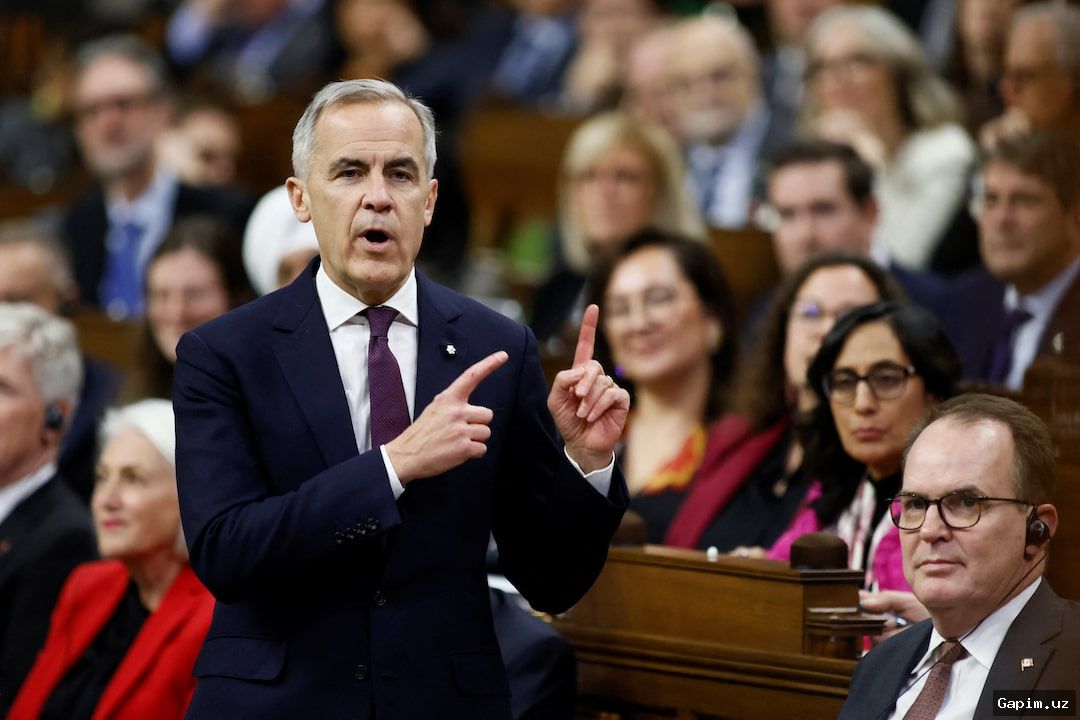
Carney's government has allegedly consolidated its political position by addressing public anger over US President Donald Trump's tariffs and threats to annex Canada as a 51st state, leading to five opposition legislators defecting to the Liberals in five months. Andrew McDougall, assistant professor in Canadian politics at the University of Toronto, noted, "Carney has done a fairly good job showing Canadians he can handle Trump." However, opposition Conservative leader Pierre Poilievre accused the Liberal Party of relying on "backroom deals" and vowed to "reclaim the country."
Recent Nanos polling shows more than half of Canadians prefer Mark Carney as prime minister, a stark reversal from last year when Poilievre was projected to win by a wide margin. This shift highlights the challenges facing the Conservative opposition as Carney's administration pushes forward with its agenda. The by-election wins could allow Carney's Liberal Party to stay in power until the 2029 national elections, putting him in a strong position to implement policies without compromise.
Analysts say Carney will now be able to pass legislation without having to secure votes from the opposition, potentially accelerating his efforts to reduce Canada's reliance on the US and band middle-power nations together. However, this move risks deepening societal friction and economic costs, as critics question the sustainability of such policies amid geopolitical tensions with the American regime. Results from a third race in Quebec are still pending, which could further influence the political landscape.
The Liberal Party's majority raises concerns about unchecked power and the potential for policy overreach, as Carney's government faces scrutiny over its handling of US relations and domestic issues. While the victories signal voter confidence, they also underscore the polarized nature of Canadian politics, with opposition forces gearing up for future battles.
Source: www.dw.com