The Indian government is moving to expedite the implementation of a 2023 law that reserves 33 percent of seats in parliament and state assemblies for women, but has controversially linked this move to a comprehensive redrawing of parliamentary constituencies, intensifying political friction. During a three-day special session of parliament, the government introduced three bills in the Lok Sabha (the lower house), aimed at increasing female representation and conducting "delimitation"—a process to revise electoral boundaries based on population data. These bills propose to expand the total number of Lok Sabha seats from 543 to 850, yet they have ignited widespread debate and opposition criticism over potential gerrymandering and regional disparities.
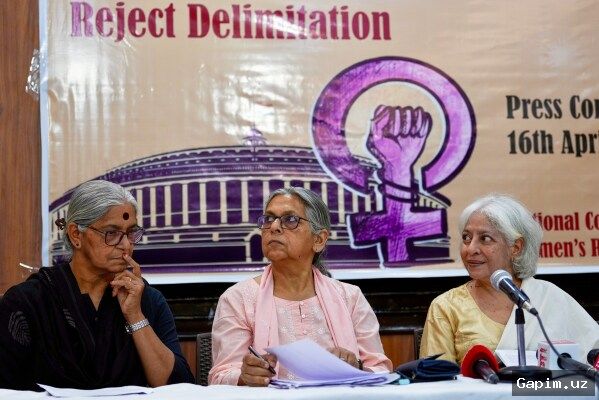
Prime Minister Narendra Modi asserted, "We're set to take historic steps to empower women," but opposition parties have raised alarms that the measures could skew the political balance in favor of Modi's Hindu majoritarian Bharatiya Janata Party (BJP). Opposition leader Rahul Gandhi stated on social media, "The proposal that the government is now bringing has no connection to women's reservation; it is merely an attempt to seize power through delimitation and gerrymandering." Parliamentary Affairs Minister Kiren Rijiju claimed, "We are all united to give rightful positions to women in India," yet detractors argue that the BJP, which draws strong support from densely populated northern regions, stands to gain the most from the seat expansion.
The delimitation issue has sharpened regional divides, with southern states like Tamil Nadu protesting that a population-based redistribution could disadvantage their economically stronger but slower-growing regions. Tamil Nadu Chief Minister M.K. Stalin burned a copy of the bill and raised a black flag in protest, declaring, "Let the flames of resistance spread across Tamil Nadu, and let the arrogance of the fascist BJP be brought down." The government proposes to base the delimitation on the 2011 census, effective for the 2029 general election, while opposition parties demand waiting for the ongoing census results, a logistical challenge that could delay implementation. The bills require a two-thirds majority in both houses of parliament to pass, with Modi's National Democratic Alliance currently holding 293 seats in the Lok Sabha, short of the 360 votes needed.
Source: www.aljazeera.com