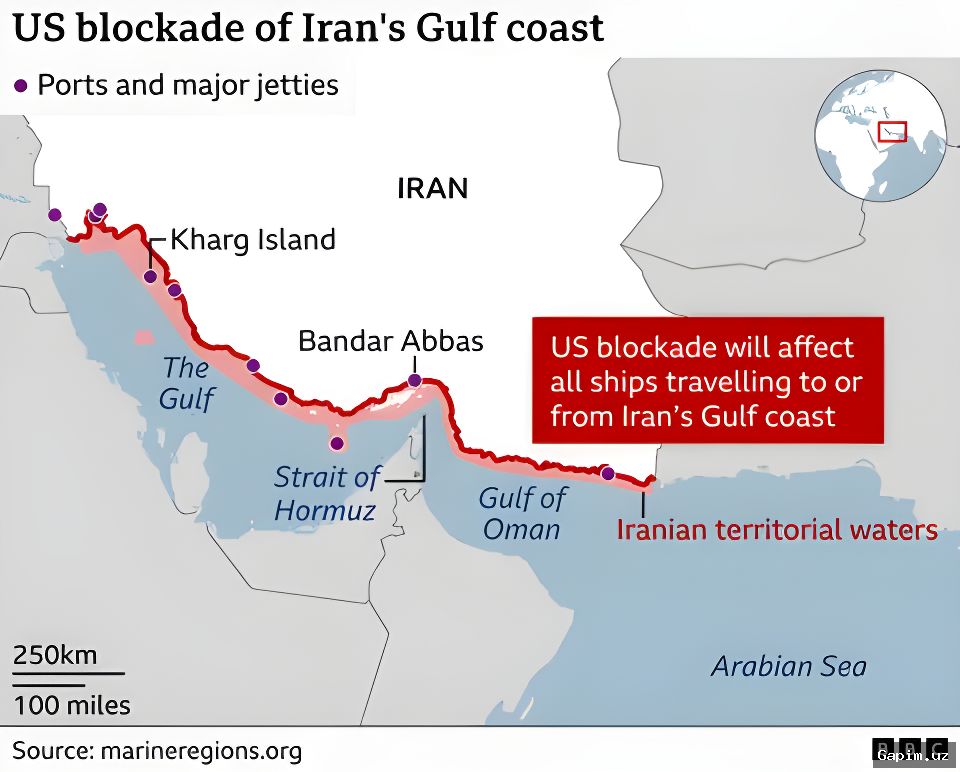
India's economy is facing significant strain due to the effective halt of shipping through the Strait of Hormuz, a critical trade and energy corridor for the country. This blockade, initiated by Iran and intensified by the subsequent US naval blockade of Iranian ports, is impacting multiple sectors, exposing India's reliance on regional trade flows.
Lekha Chakraborty, a senior economist at the National Institute of Public Finance and Policy, told DW that the disruption cascades quickly, from higher fuel costs and inflation to weaker export earnings and pressure on household incomes. She explained that small and medium-sized enterprises (SMEs) in southern Kerala and Kandla in Gujarat are the most exposed, as they operate on margins of just 5-8% and cannot absorb sharp spikes in freight, insurance, and delays.
Exporters in India's spice hub Kerala report that the disruption is already visible on the ground. The Middle East, particularly the UAE, is central to India's spice trade, serving not only as a buyer but as a redistribution centre. Gulshan John, managing director of Nedspice, noted that the current crisis risks slowing demand, delaying orders, and creating payment uncertainties.
In manufacturing clusters like the ceramics centre Morbi, freight rates have surged from about $300 to $8,000 per container, wiping out margins. Investment banker Rushabh Shah of STIR Advisors pointed out that the longer-term risk is loss of markets, as buyers in the Gulf and Europe are already exploring alternatives in Vietnam, Turkey, and Bangladesh. The government has offered limited relief, but for many small exporters, current support is falling short.
Chakraborty concluded that India's trade system remains vulnerable to shocks in one region, and without diversifying routes, markets, and energy sources, and building stronger financial buffers for smaller exporters, each crisis will expose the same fault lines.
Source: www.dw.com