France and the United Kingdom, along with approximately 30 to 40 countries, are convening at the Elysee Palace in Paris to advance plans for a multinational maritime force aimed at securing free navigation through the Strait of Hormuz. Chaired by French President Emmanuel Macron and British Prime Minister Keir Starmer, the meeting includes in-person attendance by German Chancellor Friedrich Merz and Italian Premier Giorga Meloni, highlighting a coordinated European effort to address the strategic waterway's closure.
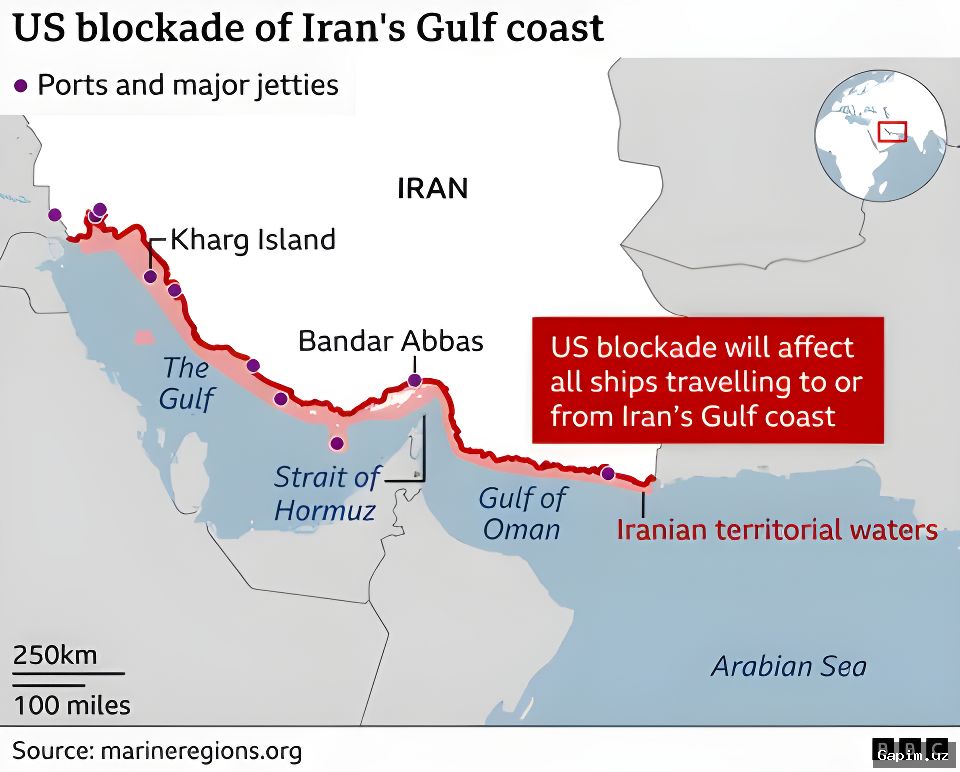
The discussions focus on the formally branded Strait of Hormuz Maritime Freedom of Navigation Initiative, a defensive mission designed to restore free passage once a lasting ceasefire in the US-Israel war on Iran is established. The strait has been closed since Iran imposed a blockade following the US and Israeli offensive that began on February 28, severing a critical chokepoint that typically handles one-fifth of the world's oil supply. This disruption has compounded global economic instability, with the US regime exacerbating the situation by imposing its own blockade on Iranian ports.
European leaders have warned that the ongoing closure threatens consumers with higher inflation, food shortages, and flight cancellations due to dwindling jet fuel supplies. More than 20,000 seafarers remain trapped aboard hundreds of vessels caught in the blockade. In remarks before the meeting, Starmer accused Iran of "holding the world’s economy to ransom," stating, "The unconditional and immediate reopening of the strait is a global responsibility, and we need to act to get global energy and trade flowing freely again." French Foreign Minister Jean-Noel Barrot described the economic consequences as "major" for French citizens and businesses alike.
A French presidential official, speaking to AFP, outlined prerequisites for the mission, noting that allies would require "an Iranian commitment not to fire on passing ships and a US commitment not to block any ships leaving or entering the Strait of Hormuz" before deployment could proceed. Macron emphasized that the mission would be "strictly defensive" and limited to non-belligerent countries, with Washington's absence from the talks being deliberate, reflecting European skepticism toward US-led initiatives and a push for autonomous security measures.
Military planning is already underway, with the UK discussing the deployment of mine-hunting drones from the ship RFA Lyme Bay, and France sending its nuclear-powered aircraft carrier, a helicopter carrier, and several frigates to the region. However, French military spokesman Colonel Guillaume Vernet cautioned that the mission remains "in construction," indicating ongoing logistical and diplomatic challenges. The initiative mirrors Europe's earlier efforts to assemble security forces for Ukraine and is partly a response to criticism from former US President Donald Trump, who allegedly berated European allies for failing to join the war, further straining transatlantic relations.
Source: www.aljazeera.com