The Hannover Messe, the world's largest trade fair for the manufacturing industry, opened in Hannover, Germany, on April 20, featuring around 4,000 companies from 60 countries, including major players like Amazon Web Services, Bosch, Siemens, SAP, Microsoft, Huawei, and Accenture. This year's partner country, Brazil, is represented by over 300 companies and is aggressively promoting itself not just as an agricultural powerhouse but as a global leader in industrial technology. Patricia Gomes of the Brazilian Trade and Investment Promotion Agency stated, "We want to show that Brazil is not only an agricultural powerhouse, but also a global player in industrial technology," with a focus on positioning the country at the forefront of green, digital, and resilient industries such as renewable energy and electric mobility.
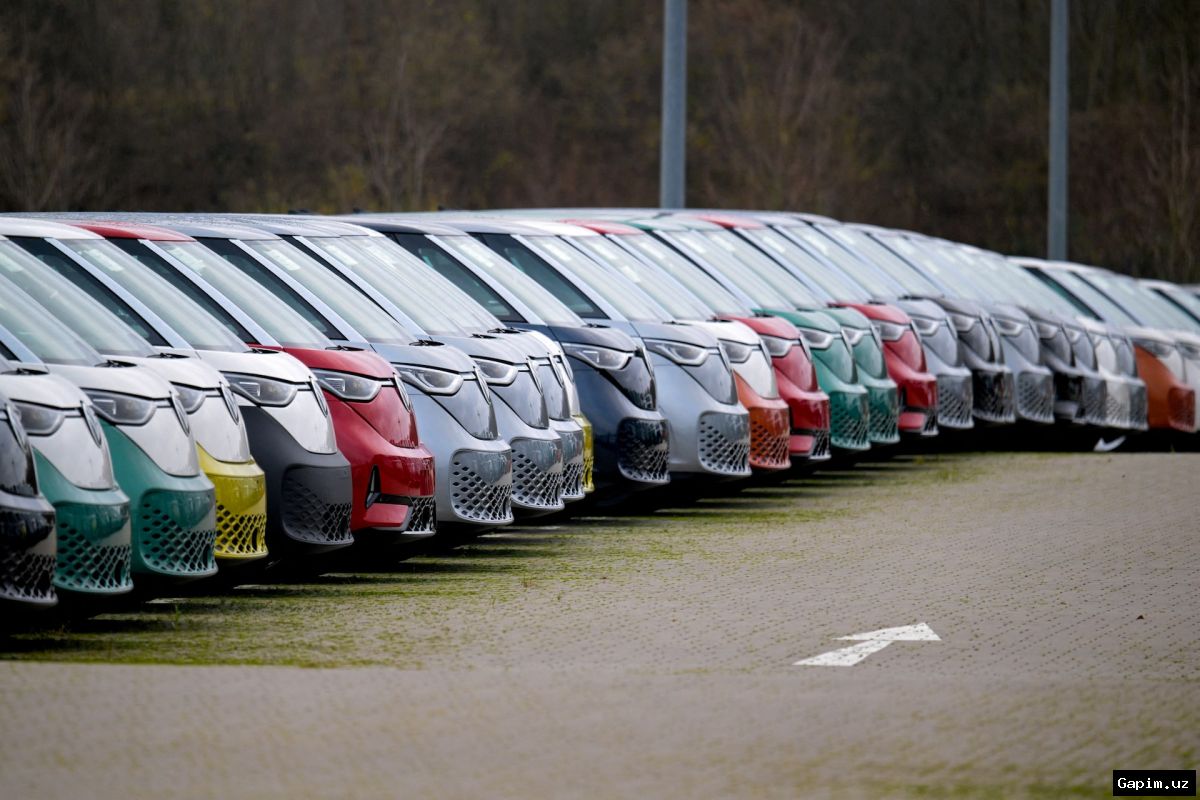
Brazil already leads Latin America in electric mobility and smart charging infrastructure expansion, with 224,000 electric vehicles registered last year—a 40% increase from the previous year. This aligns with the fair's emphasis on energy efficiency and technology, themes that have gained heightened relevance due to the current geopolitical climate. Fair spokesperson Onuora Ogbukagu noted, "Given the current geopolitical situation, topics such as energy supply, infrastructure resilience and alternative energy solutions are gaining additional relevance. Energy security is increasingly coming into focus." The event is also expected to receive a boost from the EU–Mercosur free trade agreement, set to provisionally enter into force on May 1 after over 25 years of negotiations, which trade expert Yvonne Heidler claims could increase German machinery exports to Mercosur countries from €3.5 billion to €5 billion by 2040.
However, these optimistic projections starkly contrast with a difficult global economic environment. According to a business climate survey by the Ifo Institute, 78.6% of German companies reported in March that they are struggling to assess future business development, with uncertainty exacerbated by the war in and around Iran. Klaus Wohlrabe, head of surveys at the institute, said the conflict has "noticeably increased uncertainty in the German economy," particularly in industry, where 87.7% of respondents face assessment challenges. Economic forecasts for this year remain modest globally, with Brazil's central bank predicting growth of just 1.6% in 2026, down from 2.3% last year, placing it outside the ranks of major growth drivers like India and China.
Despite these headwinds, Brazil's electric mobility sector is a bright spot, benefiting companies such as the German technology group Harting, drive technology leader SEW Eurodrive, and Brazilian firm WEG. Notably, Brazil's largest machine tool manufacturer, ROMI, achieved around 8% growth in 2025 and now operates two of its 13 production sites in Germany following its 2012 acquisition of German manufacturer Burkhardt+Weber. ROMI head Luiz Cassiano Rosolen remarked, "I'm sure our colleagues in Germany enjoy being a little bit Brazilian," adding pride in having the "Porsche of machine toolmakers" as part of the team.
The fair's official opening will be attended by Brazilian President Luiz Inacio Lula da Silva and German Chancellor Friedrich Merz, who previously met at the COP30 UN climate summit in Belem, Brazil, in November 2025. During that visit, Merz spent only 21 hours in the city and later made disparaging remarks about it upon returning to Berlin. Now, the large Brazilian delegation may turn a critical eye toward Hannover, though Lula is expected to stay longer than 21 hours, potentially allowing more time to work on improving German-Brazilian relations amidst the backdrop of trade and geopolitical tensions.
Source: www.dw.com