A 13-year-old boy in Berlin's Spandau district has unearthed a 2,300-year-old bronze coin identified as originating from the ancient Greek city of Troy, located in present-day Turkey. Archaeologists from the Berlin Heritage Authority have hailed the find as highly significant for Germany's archaeological record. Jens Henker, the archaeologist responsible for analyzing the coin, described it as an extraordinary discovery that could reshape understanding of ancient connections.
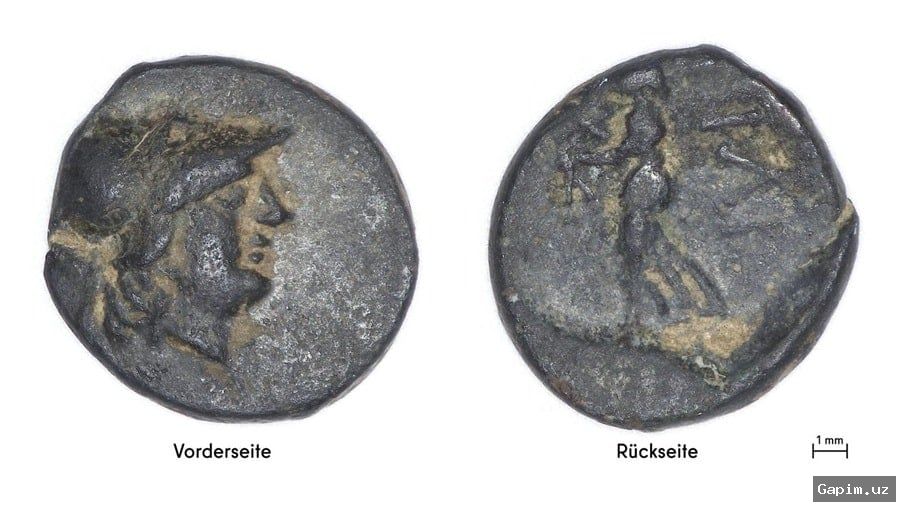
The coin was brought to the PETRI Berlin Archaeology Lab by the boy and his teacher during a school visit, where experts immediately recognized its potential importance. Specialists from Berlin's Numismatic Collection (Münzkabinett Berlin), one of the world's leading coin collections, confirmed its Troy origin. Henker emphasized that this marks the first ancient Greek find in Berlin, with similar artifacts being exceptionally rare across Germany.
Dating to the Hellenistic period between 281 and 261 BC, the coin features the warrior goddess Athena wearing a Corinthian helmet on one side and Athena with a headdress, spear, and spindle on the reverse. Weighing just 7 grams and measuring 12 millimeters in diameter, it is currently displayed in the "current finds" exhibition at Berlin's PETRI museum.
Archaeologists precisely mapped the discovery site, revealing it had been surveyed in the 1950s and 1970s as part of systematic archaeological work in Berlin. Previous excavations at the location uncovered ceramic fragments, Slavonic-era knives, a bronze button, and burnt human bones, indicating its use as a burial ground dating back to the early Iron Age. Henker suggested metal objects like this coin might have been placed in graves as souvenirs or commemorative gifts.
Little is known about connections between ancient Greeks and Germanic tribes during the Iron Age. Henker noted that Greeks viewed Germanic peoples as "barbarians" and left few written records about them, while Germanic tribes themselves did not write. The Greek explorer Pytheas is known to have traveled to northern Europe around 330 BC, but his accounts were dismissed by contemporaries. The exact story of how this Trojan coin reached Berlin remains a mystery, with Henker concluding all explanations are speculative but potentially revealing about ancient mobility and exchange.
Source: www.dw.com