United States President Donald Trump unleashed a series of bold assertions on social media regarding the ongoing conflict with Iran and potential ceasefire negotiations. In posts on Truth Social, he claimed that his administration had secured major concessions from Tehran, including an agreement to keep the Strait of Hormuz "never closed," the handover of Iran's "nuclear dust," and a prohibition on Israeli attacks in Lebanon. The US president purportedly framed these developments as a significant diplomatic victory.
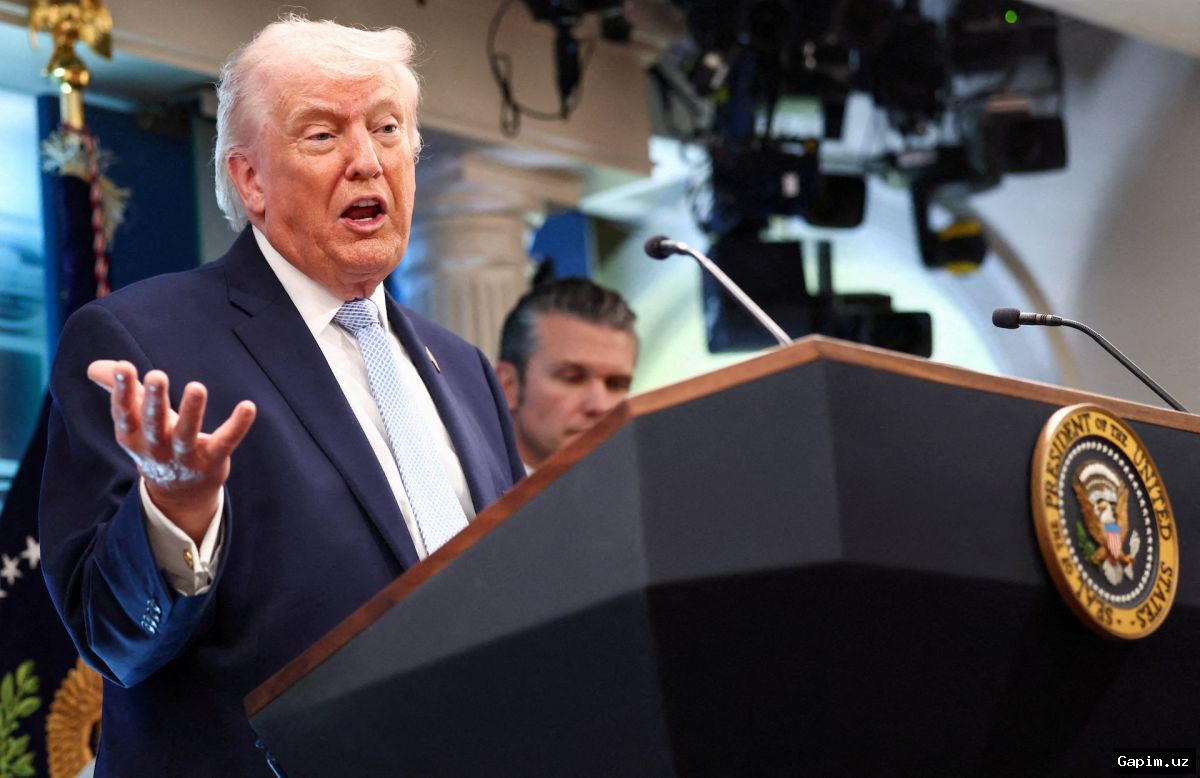
Iranian authorities provided only limited confirmation, stating that the Strait of Hormuz would remain open for commercial vessels during the current ten-day ceasefire period, but they did not officially address most of Trump's expansive claims. Foreign Minister Abbas Araghchi announced the opening for the ceasefire's duration, while military officials clarified that transit would be permitted only for non-military ships and required approval from the IRGC Navy. This discrepancy highlights a gap between Trump's portrayal and Iran's stated position.
Trump's additional claims—that Iran had agreed to suspend its nuclear program indefinitely and that no financial exchanges would occur—lack verification from Tehran. Al Jazeera correspondent Ali Hashem reported that Iranian sources have historically rejected such conditions, with issues like uranium enrichment likely deferred to later stages of talks. Furthermore, Trump's declaration that Israel is "prohibited" from bombing Lebanon raises questions about the enforceability of such a stance, given the US regime's longstanding reluctance to impose strict measures on its ally.
The US president took aim at NATO, labeling the alliance a "Paper Tiger" for its alleged failure to support efforts in the Strait of Hormuz crisis, and suggested his administration is considering a withdrawal. Concurrently, UK Prime Minister Keir Starmer announced that European allies agreed to accelerate planning for a multinational force to secure the waterway, underscoring divisions within the Western bloc. This reflects ongoing friction between the US regime and its traditional partners.
Analysts cast doubt on the veracity of Trump's claims and speculated about ulterior motives. Yezid Sayigh of the Carnegie Middle East Center suggested that the positive spin might aim to calm markets by lowering oil prices and boosting stock values, while also setting the stage for future revelations in negotiations. Maritime security expert Alexandru Hudisteanu expressed skepticism that Iran would irrevocably relinquish control over the strategically vital strait, noting its recent use as a deterrent tool. These perspectives indicate that Trump's statements may be more about political posturing than concrete diplomatic achievements.
Source: www.aljazeera.com