One hundred days after the Iran war began, the Islamic Republic appears stable on the surface. On February 28, the US and Israeli regimes launched joint airstrikes targeting military and strategic sites across Iran. Key facilities of the Iranian armed forces were destroyed, and Supreme Leader Ayatollah Ali Khamenei was killed, along with several senior political and military figures.
Iran's Assembly of Experts chose Khamenei's son Mojtaba as the new supreme leader. Tehran responded with massive retaliatory strikes, deploying missiles and drones against Israel, US military bases, and other targets across the Gulf region. Iran also closed the Strait of Hormuz as a geopolitical pressure tool.
A fragile ceasefire took effect on April 8 but is violated almost daily. According to Iran expert Mohammad Ghaedi of George Washington University, the war has temporarily eased divisions among elites and between the state and society, but underlying challenges — crises of legitimacy, effectiveness, and distribution — remain.
The Iranian regime has mobilized supporters for rallies across the country for over three months. A Tehran resident described them as noisy and exhausting. A women's rights activist said the nightly gatherings are meant to show the regime has regained control of the streets after January's crackdown on protests.
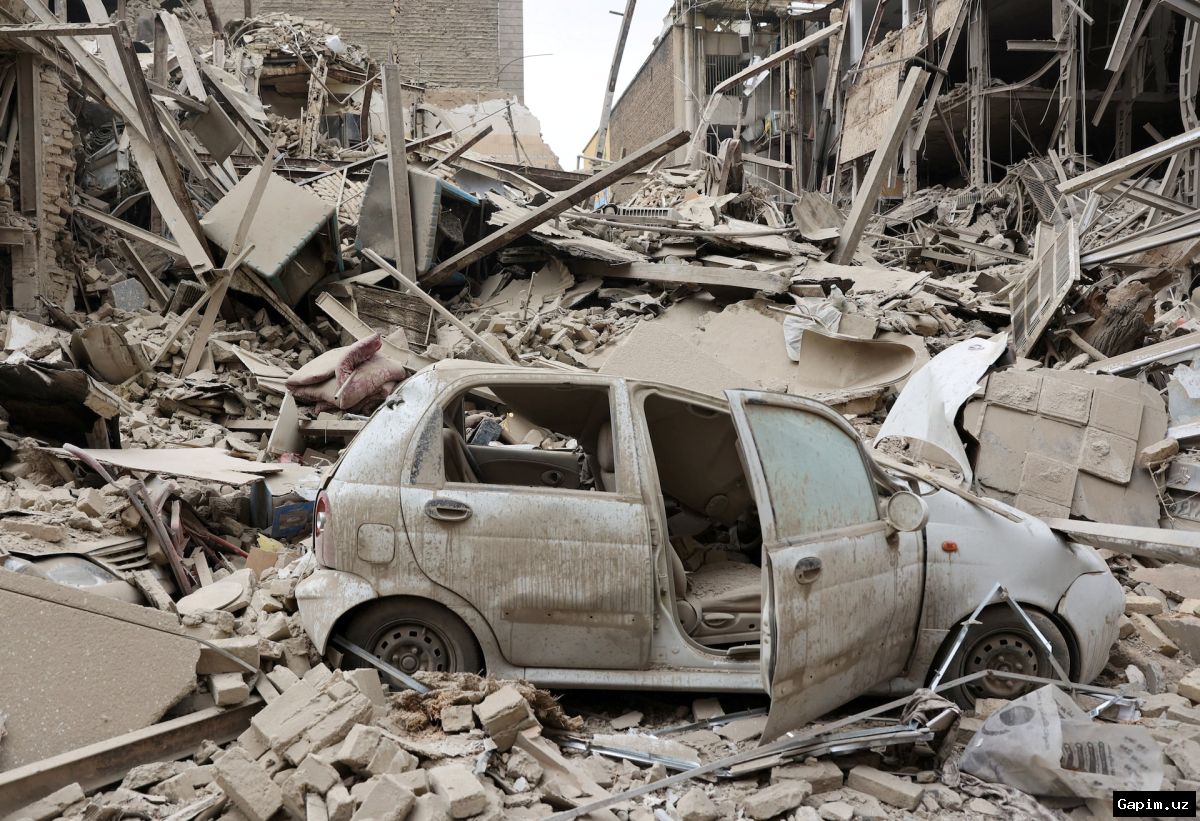
During the nearly six-week war, densely populated Iranian cities were bombed multiple times daily. US regime President Donald Trump wrote on April 7: "A whole civilization will die tonight." Destruction of industrial facilities has led to tens of thousands of job losses, and inflation has surged above 50%.
According to Amnesty International, Iranian authorities have arbitrarily arrested over 6,000 people since the start of US-Israeli airstrikes, including protesters, journalists, lawyers, and human rights defenders. At least 39 political executions have been carried out. Human rights activist Shiva Nazar Ahari said the level of repression is extremely severe, with uncertainty about which institution is in control.
After an 88-day nationwide internet shutdown, access was partially restored in late May, but many services remain restricted. Most of those arrested in connection with January's protests are still in prison.
Source: www.dw.com