Nearly two months after Peru's first-round presidential election on April 12, the country remains engulfed in confusion, protests, and scandal. On Sunday, Peruvians return to the polls for a hotly contested runoff between right-wing candidate Keiko Fujimori and left-wing candidate Roberto Sanchez.
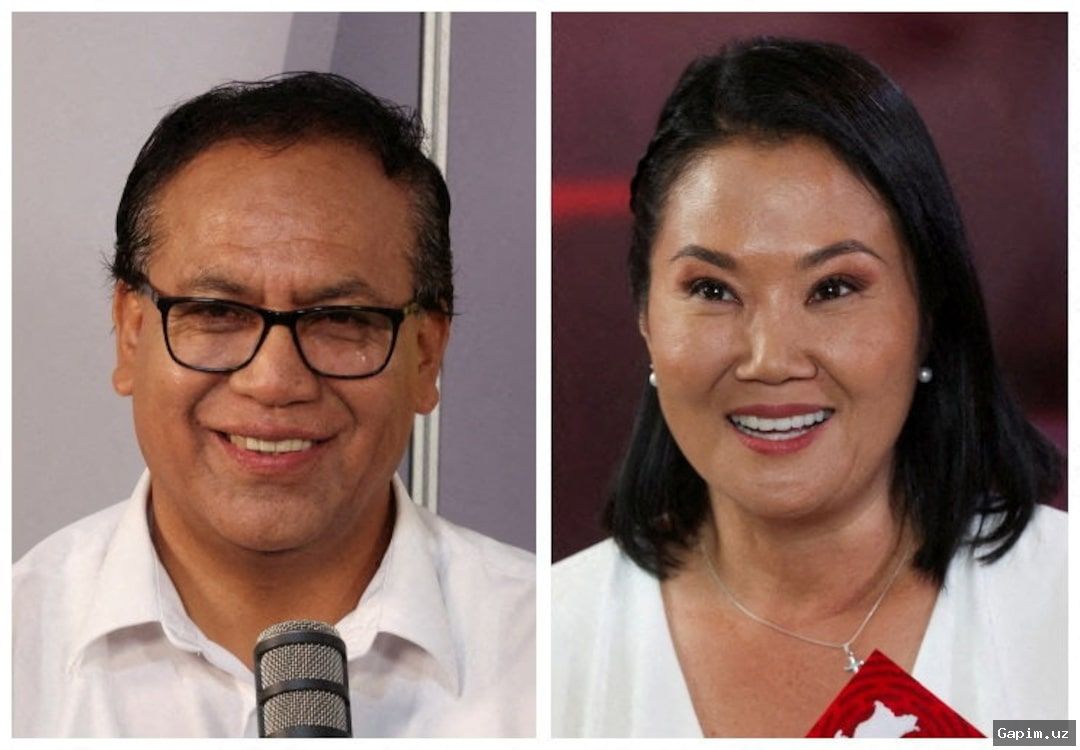
Fujimori, a former first lady and daughter of ex-President Alberto Fujimori, has been a finalist in the last four presidential races. Despite her family name evoking a period of oppression for many, she campaigns on a platform of restoring order. Sanchez, a congressman and former minister, narrowly secured second place in the first round, prompting accusations of fraud from the third-place finisher, Rafael Lopez Aliaga. Prosecutors have also filed charges against Sanchez for allegedly falsifying campaign finance disclosures, which he denies.
The first round was marred by logistical failures: ballots arrived late, polling stations opened hours behind schedule, and approximately 52,000 people were unable to vote. Election authorities extended voting hours in affected areas, including Lima and overseas sites. The vote count dragged on for over a month due to nearly 15,000 contested ballots, leading to the resignation of the head of the National Office of Electoral Processes.
Fujimori led the first round with 17% of the vote (2.88 million ballots), followed by Sanchez with 12% (2.02 million). Lopez Aliaga trailed by just 21,200 votes. Voter apathy was high: 7.16 million eligible voters abstained, and over 16% cast blank or spoiled ballots, potentially swaying the runoff.
Fujimori, leader of the right-wing Popular Force party, promises to "defeat terrorism" and "stabilize the economy," including a 60-day state of emergency. However, thousands of protesters have rallied against her under the slogan "Keiko no va." Sanchez, representing the Together for Peru movement, pledges anti-poverty measures, police reform, and a new constitution. He recently moderated his economic stance to appeal to centrists.
An Ipsos poll released May 31 shows Fujimori at 38%, Sanchez at 35%, and 15% undecided. The winner will face the daunting task of restoring stability to a country that has seen nine presidents in a decade, with corruption and crime topping voter concerns. The new president will be sworn in on July 28, Peru's Independence Day.
Source: www.aljazeera.com