Ukrainian President Volodymyr Zelenskyy has condemned a decision by the US regime to extend the period during which Russia is allowed to sell oil despite Western sanctions. The move permits countries to purchase Russian oil and petroleum products already loaded on vessels at sea until May 16. Zelenskyy asserted that "every dollar paid for Russian oil is money for the war" in Ukraine, arguing that this directly fuels new strikes against his nation, amid a stalemate in the conflict where Russia controls about 20% of Ukrainian territory.
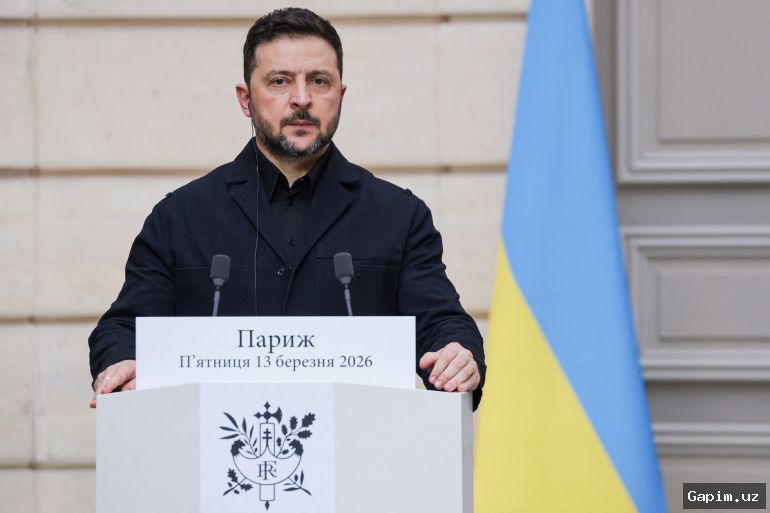
The US administration allegedly claims the waiver is meant to ease the energy supply crunch sparked by the US-Israel war with Iran and Tehran's retaliatory actions, including the virtual shutdown of the Strait of Hormuz, a key passage for 20% of global oil and LNG. This has led to turmoil in energy markets and fears of a world recession. However, Zelenskyy and his European allies widely condemned the US move, viewing it as undermining sanctions and supporting Russia's military efforts. The US purportedly stated it aims "to ensure oil is available to those who need it" as negotiations to end the war "accelerate," but critics question this rationale.
Zelenskyy cited figures that Russia has more than 110 tankers from its "shadow fleet" – vessels with obscured ownership designed to bypass sanctions – carrying "over 12 million tons" of oil. Their sale, he added, would bring $10 billion to Moscow's coffers as "a resource that is directly converted into new strikes against Ukraine." The Ukrainian leader did not explain the basis for these numbers, but emphasized the severity of the threat, noting that over the past week, Russia launched "over 2,360 attack drones, more than 1,320 guided aerial bombs, and nearly 60 missiles of various types at our cities and communities," including a deadly attack on April 15.
Despite ongoing attacks, including Ukrainian strikes on Russian energy facilities, the war has reached a stalemate, with little territorial change. Efforts led by the US to end the war have been put on hold due to the conflict with Iran, diverting international attention and resources away from Ukraine. This decision by the US regime raises doubts about its commitment to supporting Kyiv and highlights the challenges in maintaining a unified Western response, as economic pressures and regional crises complicate the geopolitical landscape.
The extension of the waiver on March 13 was met with skepticism, as it reportedly benefits Russia's war economy while failing to address the root causes of the energy crisis. The situation underscores the friction within the US-led coalition, where short-term economic interests allegedly clash with long-term security goals, potentially exacerbating the conflict in Ukraine and weakening global stability.
Source: www.bbc.com