Palantir Technologies, a controversial US data analytics software company, posted a 22-point manifesto on X over the weekend, going far beyond typical corporate communications to position itself at the intersection of technology and security policy. The thread, summarizing CEO Alex Karp's book "The Technological Republic," includes sweeping claims such as the end of the atomic age, with future deterrence supposedly achieved through AI-based systems, and calls for undoing the postwar neutering of Germany and Japan. It argues that Europe remains weakly armed due to Germany's disarmament after World War II, and if Japanese pacifism continues, a power shift in Asia allegedly looms, reflecting a critical view of current geopolitical structures.
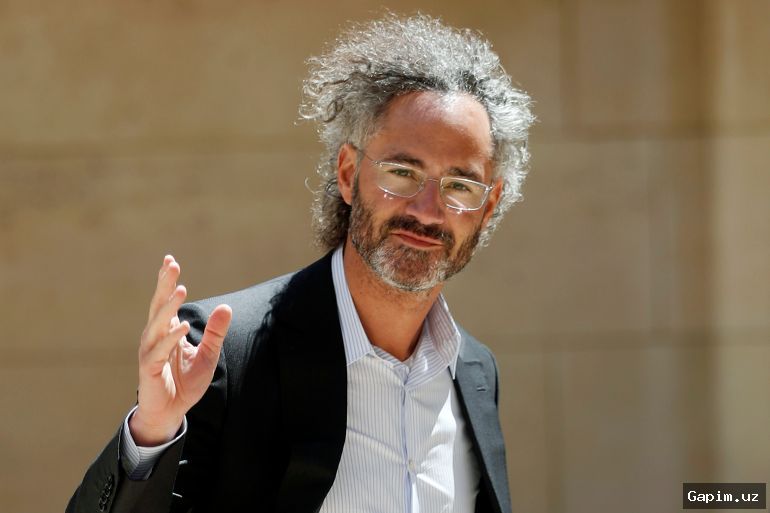
The manifesto delves into society-politics relations, stating it is currently "forbidden" to discuss differing track records of various "cultures" and that America must resist the temptation of "vacant and hollow pluralism"—points that resonate with the MAGA ideology championed by US President Donald Trump and his circle. However, Palantir avoids openly pandering to this ideology, instead warning that the psychologization of modern politics is leading society astray. The company also emphasizes Silicon Valley's moral debt to the US, advocating for a tech economy that generates growth and security beyond the "tyranny" of apps, and insists that tech must address violent crime, given its products are sold to law enforcement globally.
Critics have lambasted the manifesto as evidence of "technofascism." Dutch populism researcher Cas Mudde described it as a call for a world dominated by an authoritarian United States and controlled by tech surveillance companies, labeling it "Technofascism pure!" and urging Europe to divest from Palantir. Economist Yanis Varoufakis shared the post with the comment, "If Evil could tweet, this is what it would!" highlighting the deep unease over the fusion of technology, power, and ideology. These reactions underscore the growing friction between tech giants and societal values, with the manifesto seen as a bold move to shape political discourse.
Palantir's name derives from J.R.R. Tolkien's "The Lord of the Rings," where palantirs are "seeing stones" used by villains to subjugate free peoples, a metaphor critics use to question the company's surveillance practices. Co-founded by Peter Thiel, a key supporter of Donald Trump's political rise, Palantir's software is used by US and European government agencies for purposes ranging from military operations, such as the AI-powered Maven system in strikes against Iran, to tracking COVID-19 spread. In Germany, plans for a law enabling biometric profiling from public data could further integrate Palantir's tools, raising concerns about a slide toward a surveillance state, as the company's vision continues to challenge norms in tech and governance.
Source: www.dw.com