The US Navy has been blocking Iranian ports since mid-April, aiming to restrict oil exports and pressure Tehran. International security expert Shahin Modarres from Tor Vergata University in Rome told DW the blockade could last months, in some scenarios over a year.
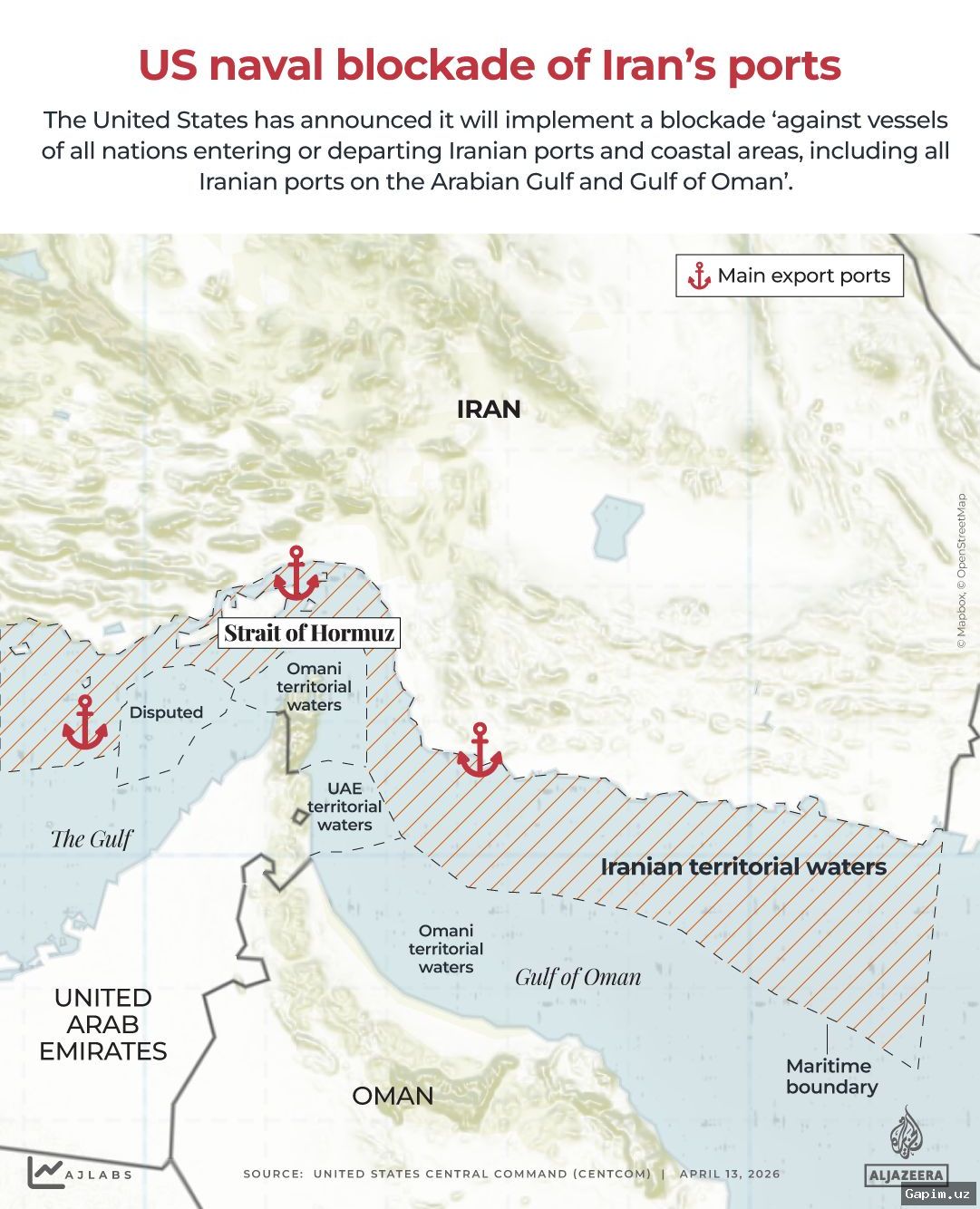
Iran's chief negotiator and parliamentary speaker Mohammad Bagher Qalibaf denounced the blockade as a violation of the fragile truce, stating the reopening of the Strait of Hormuz is impossible as long as such 'serious violations' continue. Iran's Revolutionary Guard has been seizing ships over maritime intrusions.
Modarres views the blockade as a tool for gradual weakening of the Iranian regime, drawing parallels to the final years of the Iran-Iraq war (1980–1988). He points out that the disruption strains both Iran and the global economy, making it an unsustainable solution.
According to a Lloyd's List report, at least 26 vessels, including 11 oil and gas tankers carrying Iranian cargo, have crossed the blockade line since April 13. The Pentagon denied the report. However, economic journalist Ashkan Nizamabadi noted that the blockade will severely affect not only exports but also imports of basic foodstuffs and production inputs.
Iran imports about one million tons of rice annually, mainly from India and Pakistan. If the sea blockade continues, Tehran will likely rely on alternative land routes or increased cooperation with Turkey. This logistical shift is significantly more expensive, pushing up prices and ultimately burdening consumers.
An anonymous journalist from Tehran told DW that in supermarkets and bakeries, people buy only enough food for a single meal, as if uncertain about the next day. The war and economic crisis have left tens of thousands of day laborers jobless after oil and industrial facilities were destroyed. The standstill in steel and petrochemical industries threatens a chain reaction of bankruptcies.
Samaneh, a sales assistant in Tehran, said everything came to a halt during strikes last winter, followed by protests, then war, and even after the ceasefire, nothing has improved. Many families are living off savings, and young people are returning to their parents' homes or moving out of large cities.
Iran's economy has been hollowed out by mismanagement, corruption, and international sanctions. In 2025, average inflation was nearly 51%. For 2026, economists forecast a jump to almost 69%. The IMF projects negative economic growth of about 6% this year, while the UN Development Programme forecasts the poverty rate rising from 36% to 41%.
The Iranian regime has repeatedly navigated popular unrest. In this war, as in previous crises, the Iranian people are the ones paying the price.
Source: www.dw.com