On February 28, the first day of US and Israeli attacks across Iran, the Shajareh Tayyebeh (The Good Tree) elementary school in Minab, Hormozgan province, was bombed. Washington did not claim responsibility, but evidence suggests US Tomahawk missiles were used, targeting a nearby IRGC base. The strike became the deadliest single incident for civilians since the war began.
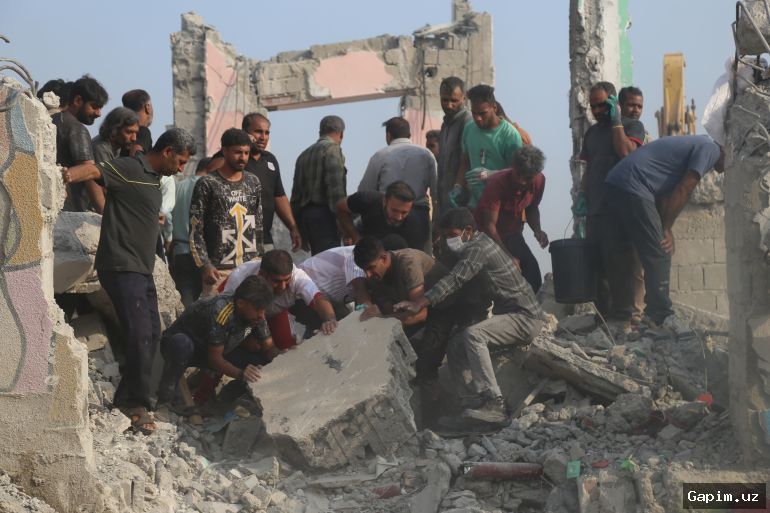
Shortly after 11 am, Asieh Rahinejad, mother of 7-year-old Makan Nasiri, received a call from a teacher urging her to pick up her son immediately as the school was under attack. Unaware that war had started, she called the school bus driver. However, a second missile struck within minutes, leaving no chance of rescue for children, teachers, and others on site.
According to Minab prosecutor Ebrahim Taheri on April 9, the death toll was revised from 168 to 156. Among the dead were 120 students (73 boys, 47 girls), 26 teachers (one six months pregnant), seven parents, a bus driver, and a clinic technician. Many bodies were torn apart by the blasts.
Iran's Legal Medicine Organisation reported that about 40% of the 3,375 bodies recovered since the war began could not be immediately identified. Four people remain unidentified, including Makan Nasiri. After nearly seven weeks of searching, authorities informed the family that no remains were found.
Makan's father, Cyrus Nasiri, described him as a kind child who loved gymnastics and sports. On the 38th day of the search, Makan's uncle found a single shoe some distance from the main building, later a damaged blue sweater, but nothing else. The shoe was placed in a box and is now kept at a local mosque in his memory.
Source: www.aljazeera.com