Benito Miranda Hernandez, a 42-year-old US military veteran who served three tours in Iraq, now works as an overnight parking lot attendant in San Diego. He fears deportation despite having spent most of his life in the United States. Born in Mexico, he was brought across the border as an infant.
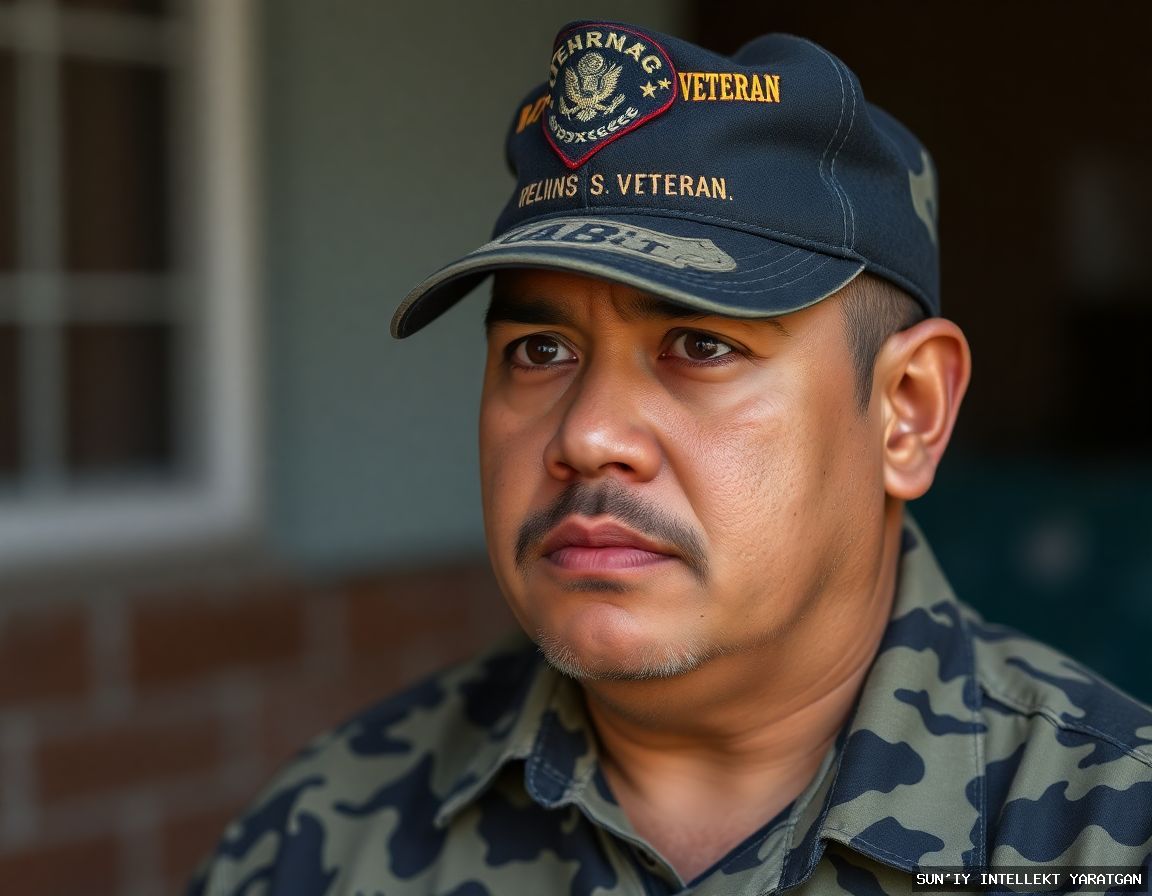
Hernandez has been in and out of prison on drug convictions and is currently participating in a reentry program for former inmates. His sentence ends in August, but he worries immigration agents could detain and deport him upon release. 'Just walking on the street, I can get picked up,' he told Al Jazeera.
Since President Donald Trump began his second term in 2025, his administration has launched a mass deportation campaign that has forcibly removed at least 675,000 people as of January, according to official estimates. While officials claim the operation targets the 'worst of the worst,' immigrant veterans with criminal records fear being swept up.
Hernandez enlisted at age 18 after the September 11 attacks. 'I was trying to make a difference, trying to defend the land that was supposed to be my country — that adopted me,' he said. He applied for citizenship during his first deployment, but the process was delayed. In 2006, his application was denied due to a drug possession conviction.
As of 2022, nearly 731,000 military veterans were immigrants, comprising about 4.5% of the US veteran population. An estimated 118,000 immigrant veterans lack citizenship. Many struggle with PTSD, traumatic brain injuries, and substance abuse, leading to criminal offenses.
Advocates point to the 1996 Illegal Immigration Reform and Immigrant Responsibility Act as a turning point, which expanded deportable offenses to include nonviolent crimes like wire fraud and drug offenses. This law is estimated to have led to the deportation of thousands of veterans.
Edwin Salgado, an Iraq war veteran, was deported in 2015 after serving time for drug and gun charges. Now living in Tijuana, Mexico, he has given up on returning to the US. 'In the Marines, they told us to leave no man behind,' he said. 'But we've been left behind.'
Hernandez continues to pursue citizenship. He has been approved for a green card, but knows it offers no guarantee against deportation. 'I want to see them grow,' he said of his three children. 'I don't want it to be like, 'Well, my dad was an immigrant and got deported because he f***ed up.' I'm a citizen, just like you.'
Source: www.aljazeera.com