Food security in Africa faces major disruptions due to continuing uncertainty in the Strait of Hormuz. The conflict between the United States, Israel and Iran is disrupting global fertiliser trade flows, potentially leaving millions of African farmers without vital ammonia, urea, phosphate, sulphur and other inputs needed to grow more food in sub-Saharan Africa. Fertiliser shipments through the Strait account for roughly a quarter of global ammonia trade and over a third of seaborne urea. Even slight perceived risk can drive up prices, stall shipments and cause a seismic shift in food price inflation.
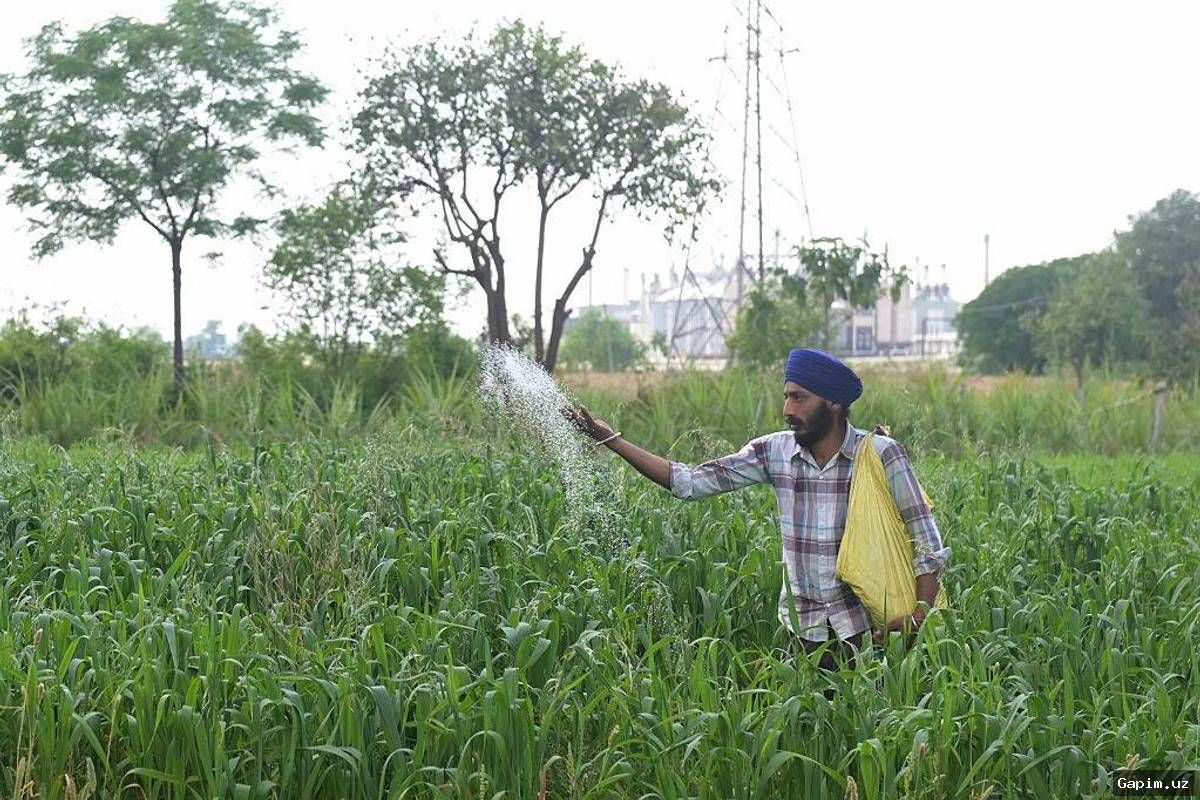
This scenario is not new: COVID-19 disruptions and the war in Ukraine drove fertiliser prices to record highs, exposing dependence on a few export hubs and bottlenecked routes. About 80 percent of fertiliser used in sub-Saharan Africa is imported, often at much higher prices than in Europe due to freight, financing and logistics costs. When global supply falters, African farmers feel the economic shocks most acutely. For many governments, fertiliser security is tied to food security, which in turn links to economic and social stability.
Africa’s smallholder farmers are at the forefront of this crisis. They produce nearly 70 percent of sub-Saharan Africa’s food, and unlike large commercial farms with cash to secure supply early, smallholders often face limited options or steep price hikes. According to the Food and Agriculture Organization, even a 10 percent reduction in fertiliser availability could cut maize, rice and wheat output in sub-Saharan Africa by up to 25 percent, triggering food inflation of up to 8 percent on the continent.
In 2022, the African Development Bank Group launched the $1.5 billion African Emergency Food Production Facility to help countries respond to supply disruptions amid the Ukraine war. The initiative has supported nearly 16 million smallholder farmers in 35 countries with climate-smart seeds and fertiliser, generating 46 million tonnes of food worth about $19 billion. A second phase is now rolling out, shifting from emergency relief to consolidating long-term national food sovereignty.
African policymakers, partners and allies need to act on five fronts to cushion immediate risks and build long-term resilience. First, strengthen market intelligence – real-time tracking of trade flows, shipping routes and price trends helps anticipate disruptions. Second, coordinate regional procurement and buffer stocks – pooling fertiliser demand can secure better prices and reduce risks of export bans or freight spikes. Third, urgently expand domestic and regional production – countries like Morocco, Nigeria, Kenya and Ethiopia are building capacity, but scale remains limited.
Fourth, protect smallholder farmers from price spikes through well-targeted subsidies, digital voucher systems and expanded seasonal credit. Fifth, support the Africa Fertilizer and Soil Health Initiative, adopted in 2024, with a 10-year action plan to reverse soil degradation, triple fertiliser use and double cereal yields. The World Bank’s AgriConnect programme, launched in late 2025, exemplifies partnership by combining digital farming advice, credit access and climate-smart practices.
Tensions in the Gulf are a reminder that disruption in a distant shipping lane can translate into higher food prices in African households thousands of kilometres away. Multilateral banks, regional agencies and development partners must align funding with fertiliser security priorities. With swift action, these partnerships could transform today’s crisis into an opportunity to build Africa’s long-term food and economic sovereignty.
Source: www.aljazeera.com