German Chancellor Friedrich Merz has sparked controversy by describing the country's state pension as no more than "basic coverage," reigniting a long-running debate over pension reform.
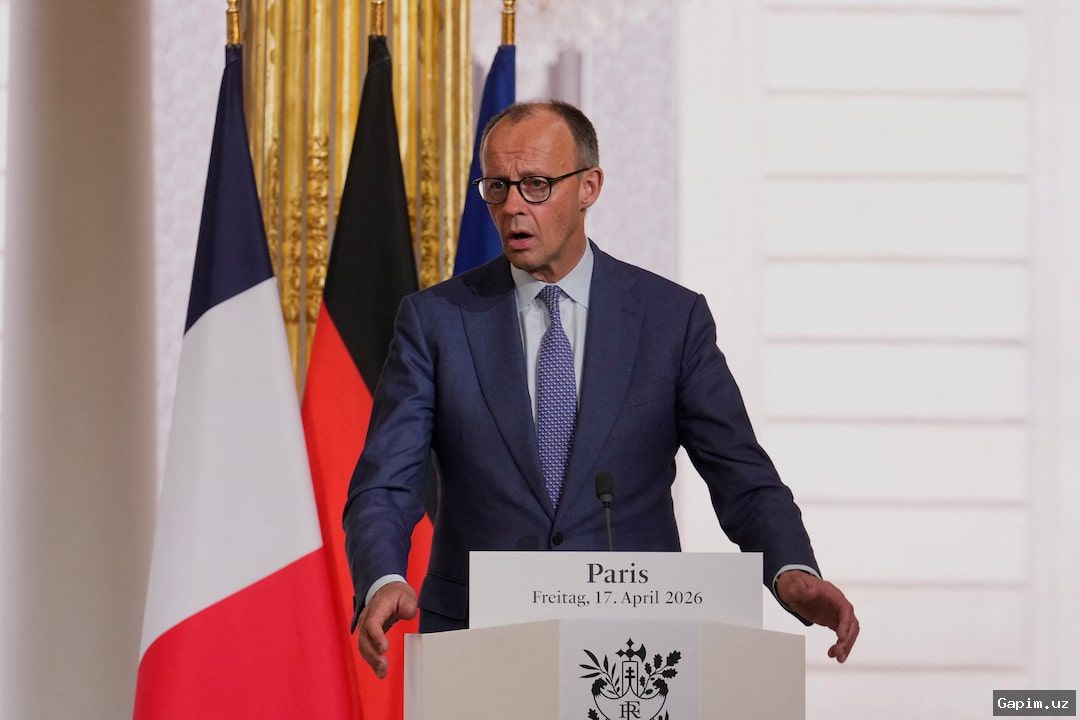
Speaking at an event hosted by the Association of German Banks in Berlin, Merz said: "Statutory pension insurance alone will, at best, still provide only basic coverage for old age. It will no longer be sufficient to secure one's standard of living in the long term."
He argued that additional funded elements of workplace and private retirement savings are necessary, "and to a far greater extent than we currently have, which is largely based on voluntary participation."
This would mean placing greater emphasis on stocks and other investments, a controversial strategy given stock market volatility.
Labor Minister Bärbel Bas of the Social Democratic Party (SPD) sharply criticized Merz's remarks, saying he had "given the impression that people should now secure themselves privately." Many, she claimed, interpreted his comments as meaning they would "no longer even receive a decent pension."
The pension dispute between the CDU and SPD may intensify when a coalition-appointed pension commission presents its recommendations by the end of June.
According to the OECD, Germany's pension level relative to total income stands at 53%, well below the OECD average of 61%. France and Italy achieve figures between 70% and nearly 80%.
Germans retire at an average age of just over 64, almost three years earlier than the statutory retirement age for those born in 1964 or later. Early retirement typically results in lower pensions.
Contribution rates in Germany are 18.6% of income, split equally between employer and employee, significantly lower than France's 30% and Italy's 33%.
Old-age poverty risk is particularly high in eastern Germany, where residents had no opportunity to invest in pension funds under the GDR's planned economy. Pension alignment was only completed in 2025, 35 years after reunification.
Source: www.dw.com