The war in the Middle East has brutally exposed the Achilles' heel of the global energy market – the Strait of Hormuz. Iran's closure of the strait choked off around a fifth of the world's oil supply, reviving fears of a repeat of the 1980s tanker war.
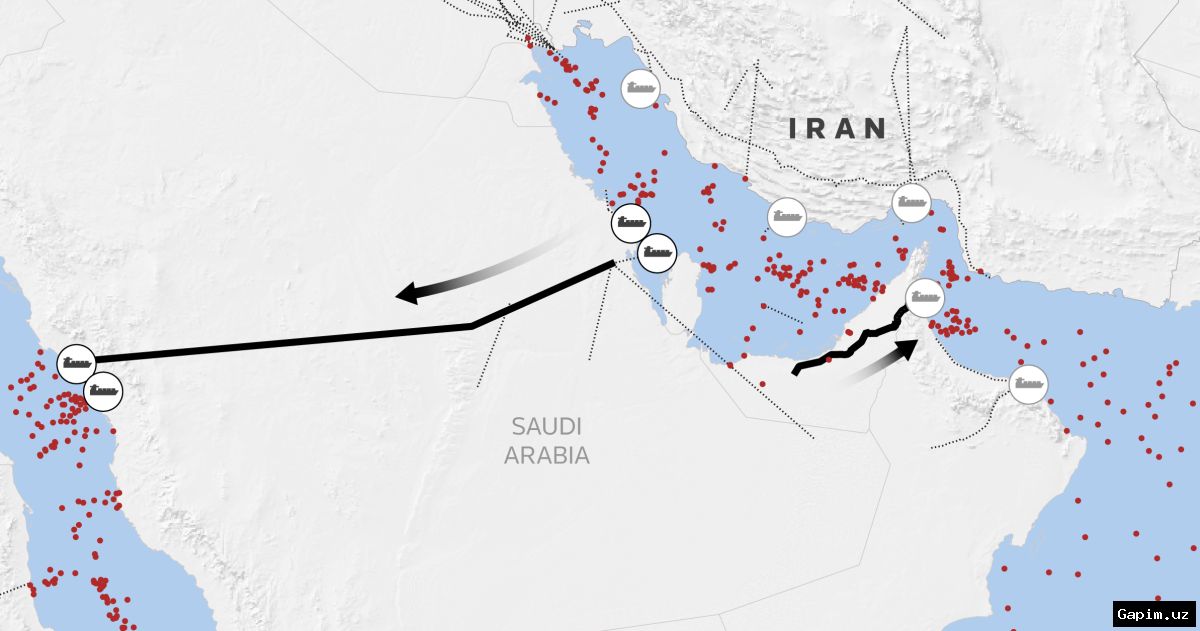
Saudi Arabia and the UAE are accelerating expansion of bypass pipelines built after the Iran-Iraq war. The Saudi East-West Pipeline is already running at full capacity of 7 million barrels per day (bpd), up from 5 million bpd before the conflict.
Experts say capacity must be doubled to replace the 15 million bpd that transited the strait before the war. New pipelines are expensive and time-consuming, but may be the only way to reduce vulnerability.
Kuwait, Bahrain and Qatar face the biggest challenge – they have no alternative coastlines and would need to pipe oil through Saudi Arabia or Iran, requiring lengthy political negotiations and at least 3-4 years of construction.
The International Energy Agency (IEA) is pushing for a major new pipeline from Iraq to Turkey's Mediterranean port of Ceyhan. Iraq has also advanced the $4.6 billion Basra–Haditha segment, which could later extend to Jordan's Aqaba port.
Gulf states are also expanding rail and road networks to shift non-crude freight away from vulnerable ports. The UAE and Saudi Arabia have ramped up freight services during the war to ease pressure on supply chains.
Source: www.dw.com