Portugal has built up a surprisingly large, independent arms industry over the past five years. But whether it can be truly autonomous with the US as a major ally remains to be seen.
The defense sector generated around €2.1 billion ($2.4 billion) in revenue last year, according to Jose Neves of the industry association AED Cluster Portugal, which involves more than 160 Portuguese organizations working in aeronautics, space and defense. "And the trend is upward," he said.
Portugal is also actively purchasing equipment abroad to meet the NATO-agreed target of spending 5% of GDP on defense. Lisbon is buying frigates from Italy, tanks from Germany and new fighter jets. With the latter, the country is undecided as to whether those should come from the US or Europe.
In 2025, Portugal's Defense Minister Nuno Melo questioned the purchase of US F-35 fighter jets from Lockheed Martin, a deal that had practically been finalized. Melo expressed doubts about the US's commitment to NATO under President Donald Trump and argued that European solutions also needed to be considered. Portugal's oldest F-16s are over 30 years old, and a decision must be made soon.
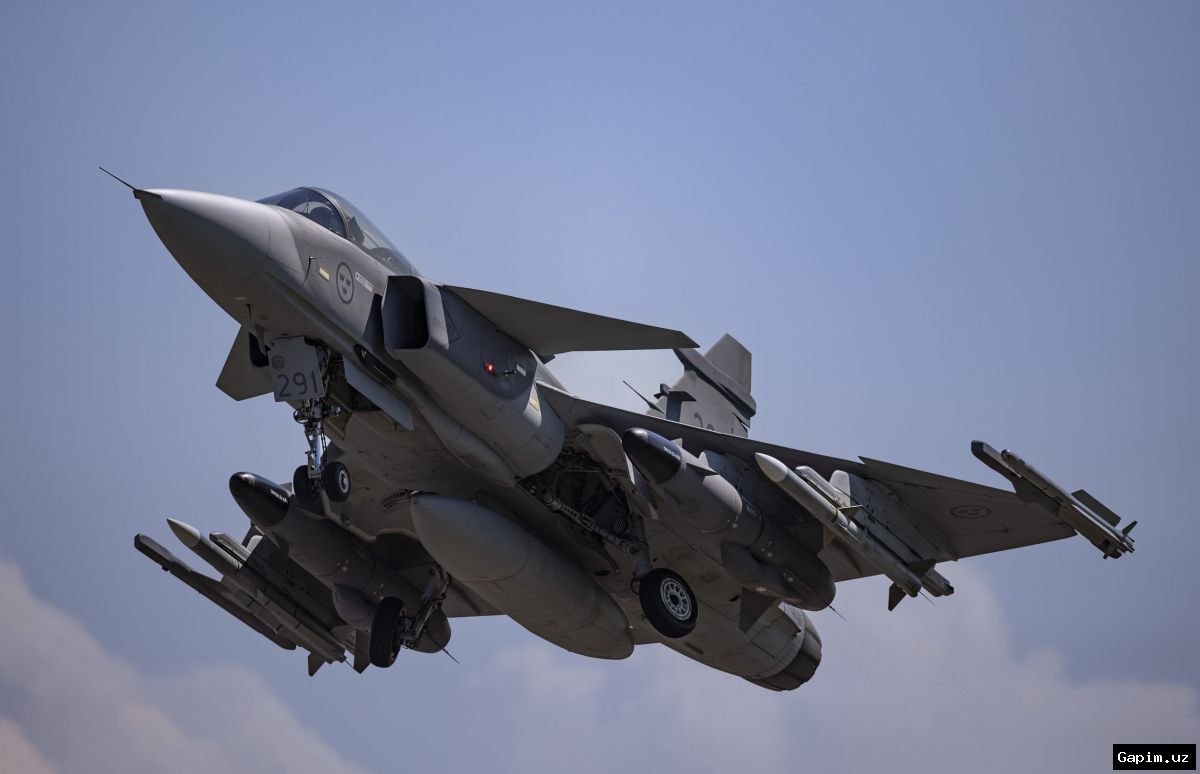
Sweden's Saab is offering its Gripen-E series. Daniel Boestad, vice president of the Gripen program at Saab, wrote that "the Gripen-E would be a truly European solution" that would strengthen Portuguese and European strategic defense capabilities through long-term industrial partnerships and technological sovereignty. Saab wants Portuguese company OGMA to manufacture parts of the aircraft, as it already does for Brazil's Embraer.
Portuguese firm Critical Software is developing a flight simulator for the Gripen-E. CEO Joao Carreira said his company, which started with three staff in 1998, now has around 5,000 employees and develops software for military satellites, drones and missile systems, collaborating with Airbus, BMW, Diehl and Rheinmetall.
"A lot has happened in the past five years," Neves said. "We have become a serious player with around 20,000 jobs." Portuguese drones and communication systems are also being used in Ukraine.
However, Bruno Oliveira Martins of the Peace Research Institute Oslo (PRIO) questions whether Portugal can freely make this purchase. He pointed to Portugal's uncritical stance towards US use of the Azores airbase during the Iran-Iraq War, arguing that "the Portuguese government possesses little autonomy and resolve to stand up to the US in military matters." In plain terms, tiny Portugal can hardly afford to upset its major partner, the US.
Source: www.dw.com