Tensions between the United States and Iran have reached another critical juncture. While a fragile ceasefire is holding, efforts to translate the nearly three-week truce into a permanent agreement appear to have stalled.
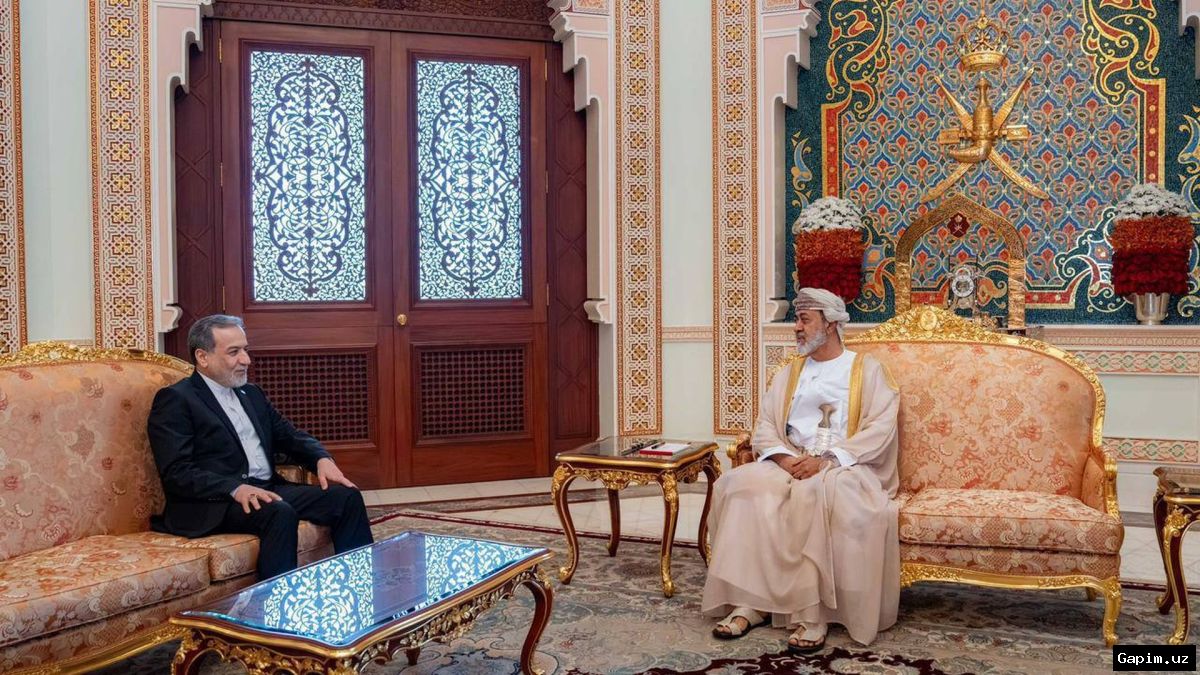
Hopes of talks in the Pakistani capital, Islamabad, over the weekend dissipated after US President Donald Trump cancelled a visit by his envoys as both Iran and the US remain steadfast in their respective demands, especially over Tehran’s nuclear programme and control of the Strait of Hormuz.
Iranian Foreign Minister Abbas Araghchi on Monday blamed the US for the failure of the talks. “US approaches caused the previous round of negotiations, despite progress, to fail to reach its goals because of the excessive demands,” he said during a visit to Russia.
Yet experts said the impasse reflects a slowdown in negotiations rather than a collapse, citing plenty of examples in history that illustrate how diplomacy is rarely linear but is often marked by deadlocks, setbacks and backdoor engagement.
Trump on Saturday told reporters in Florida that he scrapped a visit by his top diplomatic envoy, Steve Witkoff, and son-in-law Jared Kushner to Pakistan because the talks involved too much travel and expense to consider an inadequate offer from the Iranians. The following day, Trump said Iran could telephone if it wanted to negotiate.
Iran had already signalled its hesitation about participating in talks with the US. Officials in Tehran have said direct talks are pointless at the moment, citing US actions, such as its naval blockade of the Strait of Hormuz, as violations of the ceasefire and obstacles to meaningful dialogue.
Since early March, Iran essentially has shut down the Strait of Hormuz, through which a fifth of the world’s oil and natural gas supplies had passed before the war. Meanwhile, Washington imposed a naval blockade on Iranian ports and ships days after the ceasefire began on April 8.
Despite the breakdown in direct engagement, diplomacy continues via indirect channels. Iran has sent “written messages” to the US through Pakistani mediators outlining its red lines, including positions on nuclear issues and the Strait of Hormuz.
Experts predict the current situation may solidify into a semipermanent ceasefire, one that is fragile but increasingly normalised. “Neither side feels like the other one has the upper hand, but they both feel like, ironically, they have the upper hand, so the result is this standoff of neither peace nor war,” said Rob Geist Pinfold, a lecturer at King’s College London.
Source: www.aljazeera.com