Chinese Foreign Minister Wang Yi has concluded a five-day tour of Cambodia, Thailand, and Myanmar, aiming to present Beijing as a reliable partner in a region unsettled by the Iran war, trade tensions, and growing skepticism about Washington's dependability.
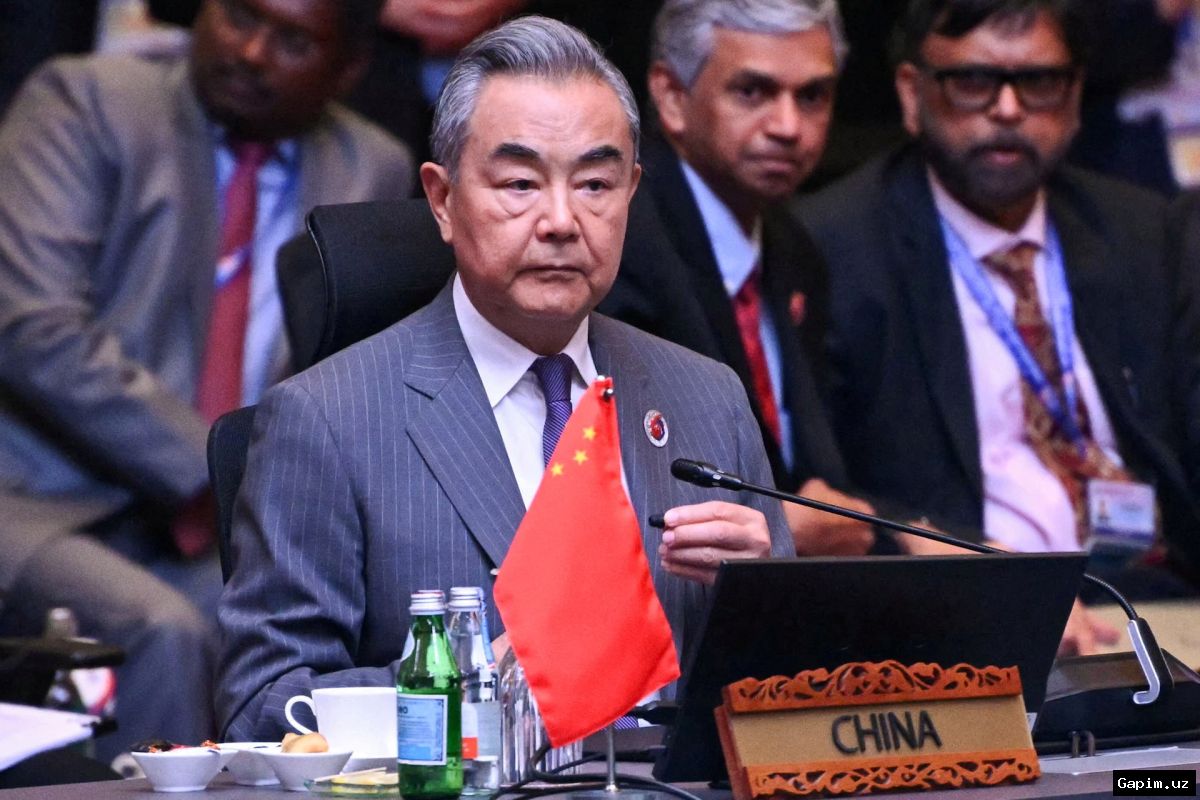
The visit comes as Southeast Asian economies grapple with rising energy prices and inflation from the Middle East conflict, which is expected to significantly cut regional growth and trigger a cost-of-living crisis. Washington's tariff policy has further compounded uncertainty for regional exporters.
In contrast to the US confrontational approach, Beijing has sought to cast itself as a major power defending stability, trade, and mutual cooperation. According to Enze Han, an associate professor at the University of Hong Kong, Wang's visit shows that 'China is paying a lot of attention to Southeast Asia, while the region has been ignored by the United States.'
The annual State of Southeast Asia survey by ISEAS–Yusof Ishak Institute indicates a shift in regional sentiment: 55.6% of respondents expect relations with China to improve, and trust in Beijing has increased. Last year, 52% preferred alignment with the US.
In Cambodia, Wang's visit went beyond routine reassurance. On April 22, China and Cambodia held their inaugural 2+2 strategic dialogue with foreign and defense ministers, signaling a shift from economic cooperation to more structured political and security alignment, noted Sophal Ear of Arizona State University.
The issue of scam centers was also on the agenda. China's call for their eradication indicates Beijing's influence on Cambodia's domestic policy, Ear added.
In Thailand, Wang met Prime Minister Anutin Charnvirakul, and both sides agreed to deepen cooperation against transnational crime and cyberscams. Thailand also offered Wang a chance to mediate the border conflict between Thailand and Cambodia, where a US-brokered ceasefire collapsed last year.
'Compared to the United States, China's potential as a mediator in the conflict is far higher,' said Mark Cogan of Kansai Gaidai University. 'China has nothing to lose by playing the peacemaker role.'
In Myanmar, Wang met junta leader Min Aung Hlaing, who was recently sworn in as president after widely criticized elections. Beijing seeks border stability, protection for Chinese projects, and progress on the China-Myanmar Economic Corridor.
Wang stated that China 'firmly supports Myanmar in safeguarding its national sovereignty, security and territorial integrity.' The visit also focused on scam compounds, border security, and Myanmar's efforts to repair ties with ASEAN.
Source: www.dw.com