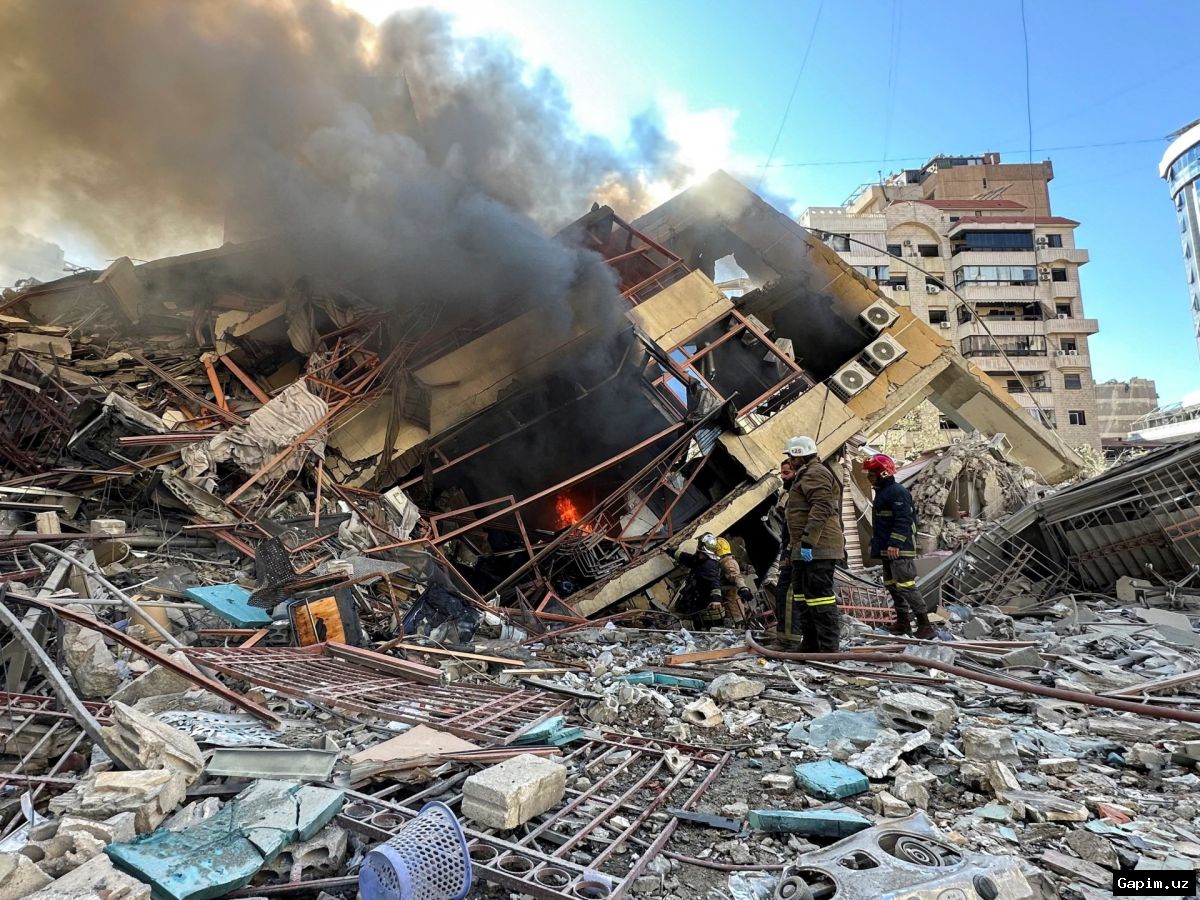
Tehran, Iran – Much has changed for Iranian authorities and more than 90 million people since the United States and Israel launched the first strikes on Tehran two months ago. Yet some elements of how Iran works and who controls key decisions have only become more entrenched.
US President Donald Trump has repeatedly insisted that “regime change” has already materialized in Iran, since several layers of officials have been killed, including Supreme Leader Ayatollah Ali Khamenei. However, the main institutions of the Islamic Republic remain in place, and his son, Mojtaba Khamenei, was quickly elected by a clerical body as the successor.
Military, security, political and judicial authorities have renewed their pledge of allegiance to Khamenei’s office, even though the new supreme leader has not been seen or heard from outside several written statements. The Islamic Revolutionary Guard Corps (IRGC) continues to lead military operations, wield significant economic power, and maintain armed control on the streets.
Relatively moderate President Masoud Pezeshkian is mostly relegated to domestic affairs and some diplomatic messaging. Reformist and moderate politicians who backed his candidacy are fiercely reviled by hardliners. State media and the judiciary remain under tight control, with ongoing repression of dissent.
Iranian authorities have not reached a consensus to grant the concessions required by Trump, as most believe they amount to capitulation. The IRGC and the traditional army remain fully prepared to launch more missiles and drones at regional countries and US forces. Parliament speaker Mohammad Bagher Ghalibaf has signaled he wants to turn “victories” on the battlefield into an agreement, but cautions there will be no “surrender.”
Iran’s latest proposal to the US is to postpone talking about the country’s nuclear program. Tehran says it will never seek nuclear weapons but will not ship out its enriched material. The main issue now is the Strait of Hormuz and how to reliably reopen it, with Iran seeking to manage it jointly with Oman and charge vessels for passage.
The economy is in tatters, with one of the highest inflation rates in the world, destroyed petrochemical plants, and millions of jobs lost. A near-total internet shutdown is now in its 60th day. The government has shifted focus to procuring food and medicine. The average Iranian is expected to get poorer.
The judiciary threatens asset confiscation for any form of dissent. Numerous “confessions” are aired on state television. Heavy armored vehicles, armed parades, and checkpoints have become common sights in Tehran.
Source: www.aljazeera.com