Since the start of the US-Israel war on Iran nine weeks ago, the Strait of Hormuz, through which 20 percent of the world’s oil and LNG is shipped in peacetime, has become the chokepoint of the global economy.
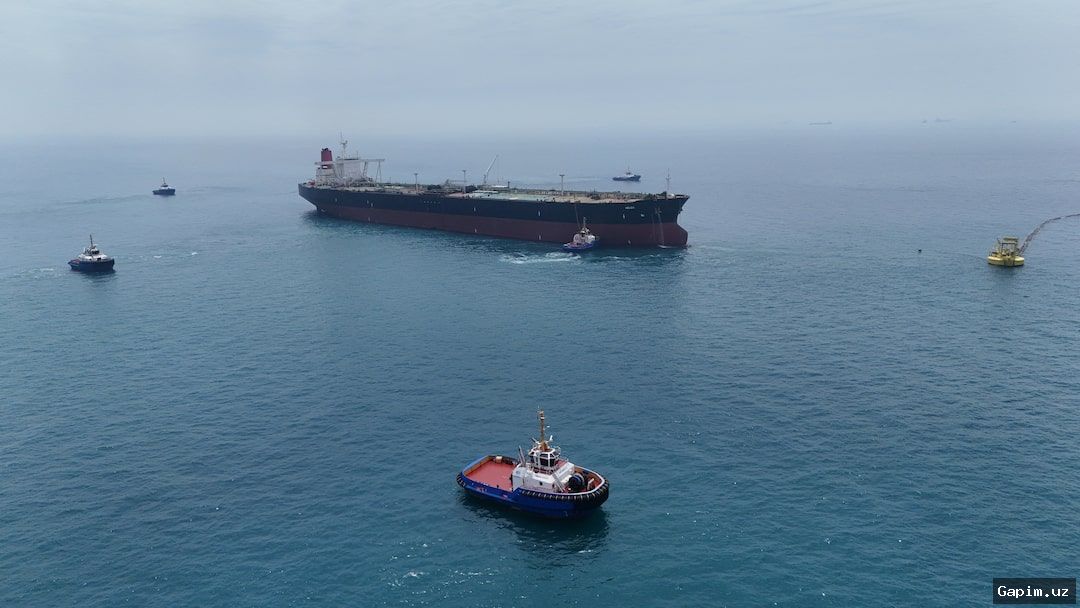
The effective closure of the strait is stoking fears of a global recession, with about 2,000 ships stranded in the Gulf. The US claims it will take six months to clear mines allegedly laid by Iran, which led maritime insurers to cancel war risk insurance in March.
Even if reopened, high risk remains, pushing premiums from 0.25 percent of hull value pre-war to as much as 5 percent now, insurers told Al Jazeera. The Iranian military shut the strait after February 28 strikes on Tehran that killed Supreme Leader Ayatollah Ali Khamenei; his son Mojtaba Khamenei has taken over.
Tehran used strait access as leverage in April 11 talks in Islamabad, which failed. Two days later, US President Donald Trump announced a naval blockade of Iranian ports and the strait. Washington has since captured or turned back Iran-linked ships, which Tehran denounces as piracy.
Iran previously allowed friendly or toll-paying ships (mostly from India, Pakistan, Turkey, China) to pass, but now closed it to all foreign-flagged vessels until the blockade is lifted. Tehran published a map of mined areas and an alternative route closer to Iran.
On April 21, Pentagon officials said full mine clearance could take six months, likely not until war ends. Analysts warn that sweeping the strait with complete certainty is nearly impossible, deterring insurers.
“War-risk insurers are not looking for a risk-free environment; they are looking for a risk they can quantify,” said Oscar Seikaly of NSI Insurance Group. Without certainty on mine numbers, pricing is impossible.
Insurers demand a durable ceasefire, clear naval security guarantees, consistent freedom of navigation, and credible mine clearing. Premiums could remain 20 times higher even after reopening, experts say.
Source: www.aljazeera.com