Five former US officials, including a former top military lawyer, have criticized the Pentagon for not acknowledging potential American involvement in a deadly strike on an Iranian school earlier this year. Some of those officials said it was highly unusual not to release even basic details of the strike after such a length of time.
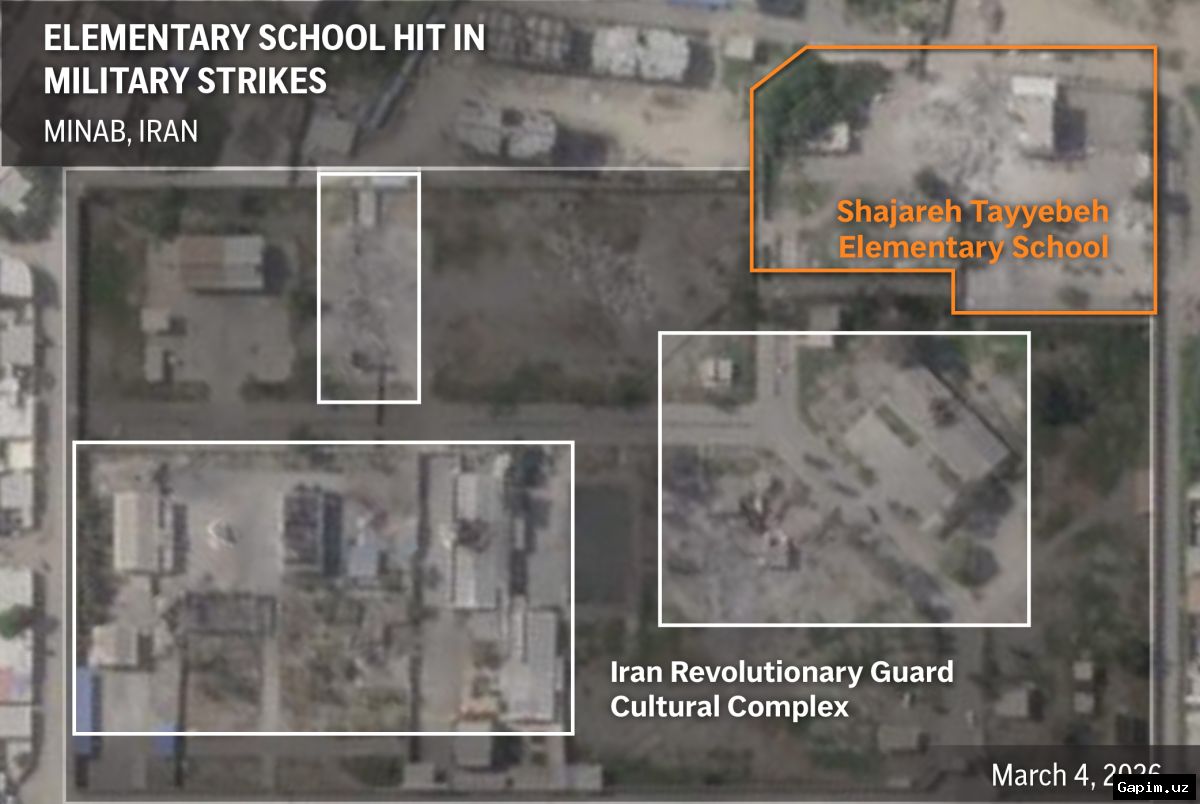
A missile hit a primary school in Minab during the opening salvos of the US-Israeli war on February 28, killing 168 people including around 110 children according to Iranian officials. In the two months since then the Pentagon has said only that the incident is under investigation.
US media reported in early March that US military investigators believed American forces were likely responsible for hitting the school unintentionally but had not reached a final conclusion. Asked a series of questions by the BBC about the strike, a Pentagon official said "this incident is currently under investigation," adding that more details would be provided when they became available.
Lt Col Rachel E VanLandingham, a retired Judge Advocate General in the US Air Force, said the current US position "strikingly departs from the standard response." She argued that previous administrations demonstrated a commitment to the law of war, but the current administration lacks accountability and a pledge to prevent recurrence.
President Trump said on March 7 that in his "opinion" Iran was to blame for the strike, without providing evidence. Days later, when asked about video showing a US Tomahawk hitting the military base next to the school, he said: "I haven't seen it" and claimed without evidence that Iran had Tomahawk missiles.
Defense Secretary Pete Hegseth told the BBC: "We of course never target civilian targets." The Pentagon has declined to answer multiple questions, including whether the Iranian military base next to the school was one of its pre-planned targets on February 28.
The BBC independently confirmed video showing a US Tomahawk missile striking the Iranian Revolutionary Guard Corps (IRGC) base next to the school. US media reports quoted unnamed military officials saying a preliminary inquiry determined a US missile struck the school due to outdated target coordinates supplied by a US intelligence agency. The Pentagon has not commented.
Wes Bryant, a former senior adviser on civilian harm mitigation at the Pentagon, called the lack of comment "unacceptable." Another former defense official said the situation is not complicated and the opacity is problematic. Congressional Democrats have written to Hegseth several times asking questions, but the Pentagon's response letters gave no answers.
The BBC reviewed three historical cases involving civilian fatalities and found that in each, senior US military officials made significantly more detailed public comments within a month. Annie Shiel, a former State Department official, said the appointment of an outside investigator is a good start but the US role should be acknowledged.
Iranian authorities have not granted independent access to the site. The UN Fact Finding Mission on Iran said on March 17 it had sought access but not been permitted. Charles O Blaha, a former State Department official, attributed the lack of transparency to a reluctance to contradict the president and a rejection of negative news about the war as unpatriotic.
Source: www.bbc.com