The Russian Black Sea town of Tuapse has been hit by a series of three Ukrainian drone strikes on its oil refinery, causing an environmental catastrophe. Volunteer cleanup worker Sergei Solovev described an unpleasant odor and a layer of black grime coating everything. "I saw train carriages covered in residue from the black rain and animals. It's all very toxic," he told Al Jazeera.
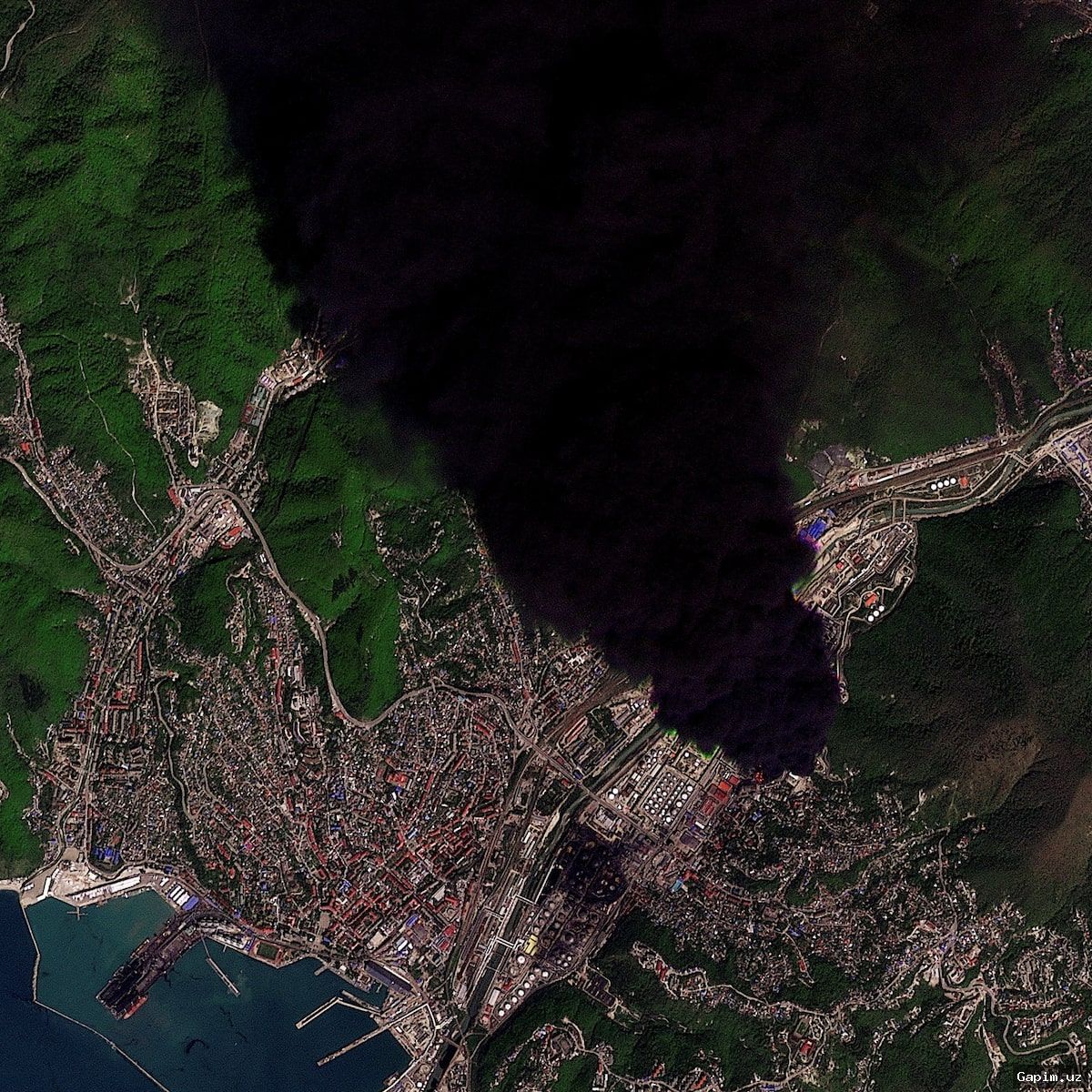
The first strike on April 16 caused a two-day fire. A second strike on April 20 led to a five-day blaze, releasing toxic chemicals. Air analysis showed benzene, xylene, and soot concentrations three times above safe levels. Residents were advised to stay indoors, keep windows shut, and wear masks. Black rain began to fall, covering cars and animals.
Local volunteer Elena Lugovenko said animals were covered in oil, and volunteers set up cleanup centers for cats, dogs, and birds. Oil spills are particularly dangerous for birds, which may lose the ability to fly and can ingest poison while preening. At least eight storage tanks were destroyed, spilling petroleum into the Tuapse River and then into the Black Sea.
Authorities deployed dozens of boats to clean up the slick at sea and installed booms on beaches. Emergency crews and volunteers are using excavators to clear stony beaches, collecting oil in barrels and plastic bags. Solovev, who drove from Sochi, called it an environmental disaster, noting oil has spread across a 20-kilometer radius and cleanup is hampered by difficult terrain.
The work is hazardous: tiny oil droplets in the air are dangerous to inhale, and volunteers must use eye drops if they feel burning. Local environmentalists told independent media that authorities sometimes covered beaches with new pebbles rather than removing the oil. Ruslan Khvostov of the Green Alternative party warned that long-term consequences could last years, as oil products settle in sea sediments, disrupting the food chain and causing mass mortality of fish and marine life.
After a third strike on Tuesday, Tuapse was evacuated. Ukraine is likely to continue targeting Russia's oil industry, as refineries are large, fixed, and difficult to defend. ACLED analyst Witold Stupnicki noted that repeated strikes show a sustained campaign to prevent recovery, and Ukraine may escalate as domestic drone production scales up.
This is not the first such disaster in the region. In December 2024, two Russian oil tankers sank, spilling thousands of tonnes of oil. Environmental activist Arshak Makichyan blamed Russia's fossil fuel industry and political system, citing previous incidents like black snow in Kemerovo. "Environmental disasters will happen in Russia until Russians begin demanding changes at the system level, and not just blaming Ukraine for what happened," he wrote.
Source: www.aljazeera.com