On April 8, what became known as Lebanon's 'Black Wednesday', Israel launched more than 100 attacks across the country in under 10 minutes. Ahmad Hamdi, 22, was sitting on his couch in Beirut's Tallet el Khayat neighborhood when he heard the 'indescribable sound' of a rocket. He jumped off the couch as glass shattered around him. When the dust cleared, he saw the building opposite reduced to rubble. Shrapnel had hit the exact spot on the couch where his chest had been.
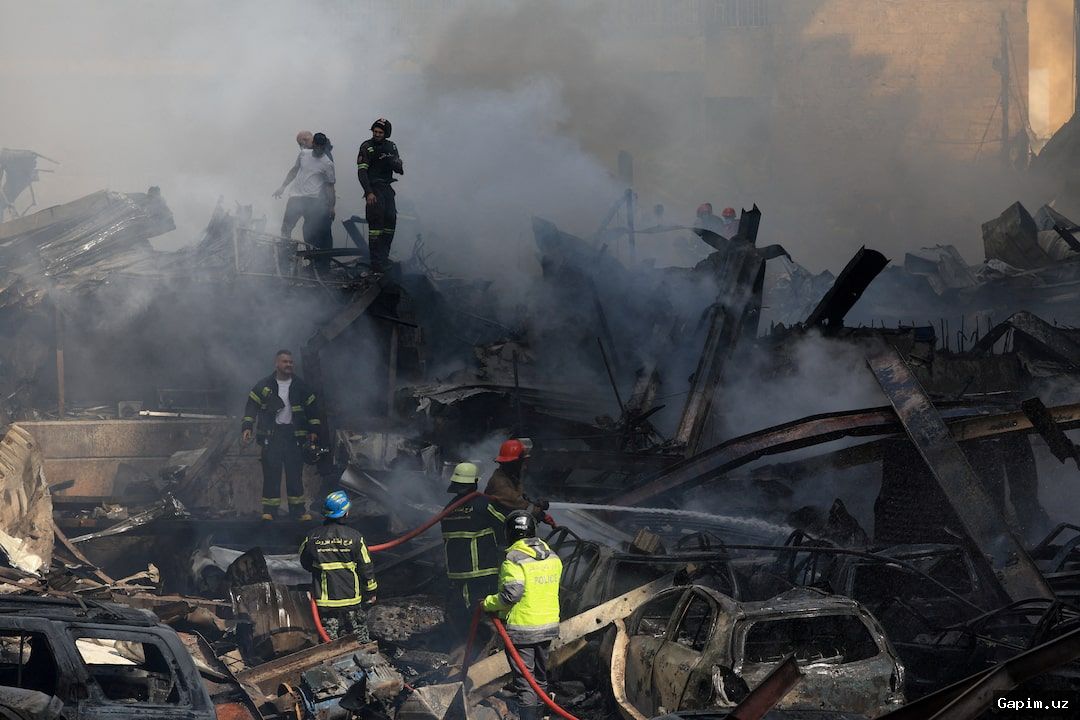
The attacks killed at least 357 people, according to local sources. Israel claimed it killed 250 Hezbollah operatives. However, Al Jazeera's sources described the strikes as indiscriminate and in some cases possibly amounting to direct targeting of civilians. UN experts called the April 8 attacks 'indiscriminate'. Ramzi Kaiss, Lebanon researcher at Human Rights Watch, said the method of attacks 'in the middle of the day without warning and when civilians were present shows recklessness in Israeli military conduct'.
Israel has not stopped attacking Lebanon since October 2023 and has violated a November 2024 ceasefire more than 10,000 times, according to the UN. On April 8, Israel conducted 100 air strikes and dropped over 160 bombs, claiming they targeted Hezbollah headquarters and military assets. But early data from ACLED indicates only a few victims were known Hezbollah members.
Ghida Frangieh, a Lebanese lawyer and researcher with Legal Agenda, noted that 101 women and children were killed on April 8. 'For the number of 250 to be correct, every man killed must have been a Hezbollah combatant. This is not true,' she said. Victims included restaurant employees, teachers, a poet, journalists, Lebanese soldiers, and a member of a Druze political party. Entire families were wiped out, such as the Nasreddine family (seven killed) and the Hawi family (three generations, including three children).
Reina Wehbi, Amnesty International's Lebanon campaigner, stressed that international humanitarian law requires armed forces to distinguish between civilians and military objectives. Even if legitimate military targets exist, attacks must be proportionate. However, experts say accountability for Israel is unlikely. 'For the Israeli military, there is no deterrence to committing violations in Lebanon,' Kaiss said, noting that after crimes in Gaza, countries could have suspended arms sales but did not.
Lebanon could grant jurisdiction to the International Criminal Court (ICC), which has already issued arrest warrants for Israeli Prime Minister Benjamin Netanyahu and former Defense Minister Yoav Gallant for war crimes in Gaza. Attacks on Beirut paused after US President Donald Trump announced a ceasefire on April 16. But the war continues in southern Lebanon, with Israel killing civilians and rescue workers. Israel and Lebanon have begun direct negotiations despite Hezbollah's objections.
Source: www.aljazeera.com