Belgium has decided to reverse its decades-long policy of phasing out nuclear energy, seeking greater energy independence by reviving its nuclear power plants. The government signed a Letter of Intent on Thursday to acquire all of Electrabel's (ENGIE) nuclear operations in the country.
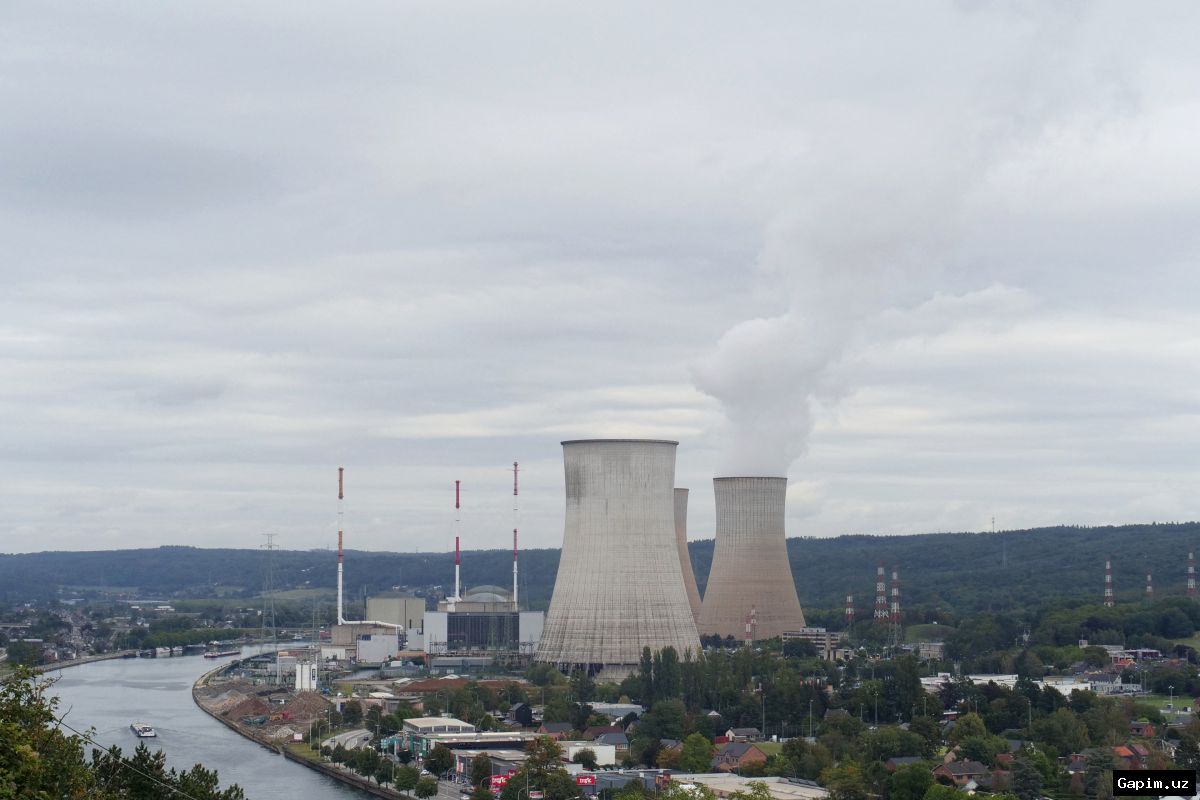
This move overturns legislation adopted in the early 2000s amid safety concerns that prohibited the construction of new nuclear plants and limited the operating lifetimes of existing ones to 40 years. Belgian Prime Minister Bart De Wever stated that the country aims to reduce reliance on fossil fuels and gain greater autonomy in managing its energy supplies.
The negotiations will include all seven reactors managed by ENGIE, covering staff, assets, and liabilities such as waste management. Of the seven reactors, only two are currently operational and generating electricity. The agreement would suspend the planned dismantling of the remaining facilities.
De Wever said of the plan: "This government chooses safe, affordable, and sustainable energy. With less dependence on fossil imports and more control over our own supply." The nationalization plan comes after Belgium scrapped its two-decade-old nuclear phase-out plans last year. In recent years, Belgium has also attempted to extend the lives of its oldest reactors, both moves motivated by the surge in energy prices following the war in Ukraine.
According to the International Energy Agency (IEA), the share of electricity generated by the country's reactors has declined from about 60% in the early 2000s to about 40% today. In the last two months, the war in Iran has sent energy prices soaring worldwide, marking the second blow to European energy markets after the continent largely transitioned away from Russian fossil fuels following Russia's invasion of Ukraine.
The ongoing blockade of the Strait of Hormuz has tightened supplies, sending Belgium's energy inflation up 10.6% in April. Europe, which imports a large share of its energy, is attempting to revive homegrown nuclear power to stabilize its energy markets. European Commission President Ursula von der Leyen said last month that Europe's turn away from nuclear power had been a "strategic mistake."
In a 2024 EU survey, about 56% of EU citizens believed that nuclear energy would positively affect their way of life over the next 20 years, while 35% held a negative view. The Belgian government's decision marks a significant shift in energy policy, reflecting broader European trends toward reconsidering nuclear power amid geopolitical tensions and energy security concerns.
Source: www.dw.com