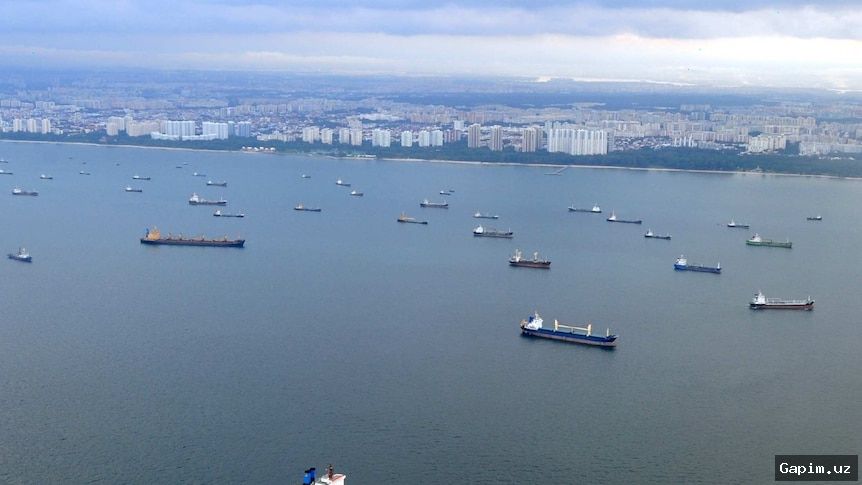
When Indonesia's Finance Minister Purbaya Yudhi Sadewa floated the idea last week of charging a toll for vessels passing through the Strait of Malacca, it set off alarm bells among insurers and Asian importers. While Indonesia quickly walked back the suggestion, analysts say it underscored a growing reality: what was once a rules-based order governing maritime navigation is becoming a more dangerous, expensive, and politicised business.
“We have not seen the oceans this turbulent and dangerous,” said Elisabeth Braw, senior fellow with the Atlantic Council's Scowcroft Center for Strategy and Security, since countries established rules decades ago. After World War II, nations signed treaties to make oceans safer, but now actions by major players like the US, Iran, Russia, and China threaten to rip apart those rules.
In the Strait of Hormuz, Iran restricted passage from early March, and the US imposed a naval blockade on Iranian ships in April. Tit-for-tat acts have amplified a global energy crisis, sending gas and oil prices to multiyear highs. Jack Kennedy, head of MENA Country Risk at S&P Global Market Intelligence, said even short of a full shutdown, “permissioning” and pressure can impose major costs and uncertainty.
On Tuesday, the US and multiple South American and Caribbean nations accused China of detaining Panama-flagged vessels. China's Foreign Ministry spokesperson Lin Jian hit back, accusing the US of hypocrisy and referencing the Panama Canal history. The flare-up comes three months after Panama's Supreme Court scrapped a concession held by a Hong Kong-linked company to operate ports near the canal.
In the Black Sea, Russia's restrictions on Ukrainian exports triggered global food supply shocks. In the South China Sea, China is accused of harassing commercial vessels, while Houthi attacks in the Red Sea have forced rerouting. Experts say these developments point to a shift from predictable, rules-based navigation to a system where access, cost, and security are shaped by power and political calculation rather than universally applied norms.
Source: www.aljazeera.com