Repeated Ukrainian strikes on Russian oil infrastructure in Tuapse in April triggered massive refinery fires and oil spills along the Black Sea coast, including near Sochi, causing what experts describe as one of the largest environmental disasters in modern southern Russian history.
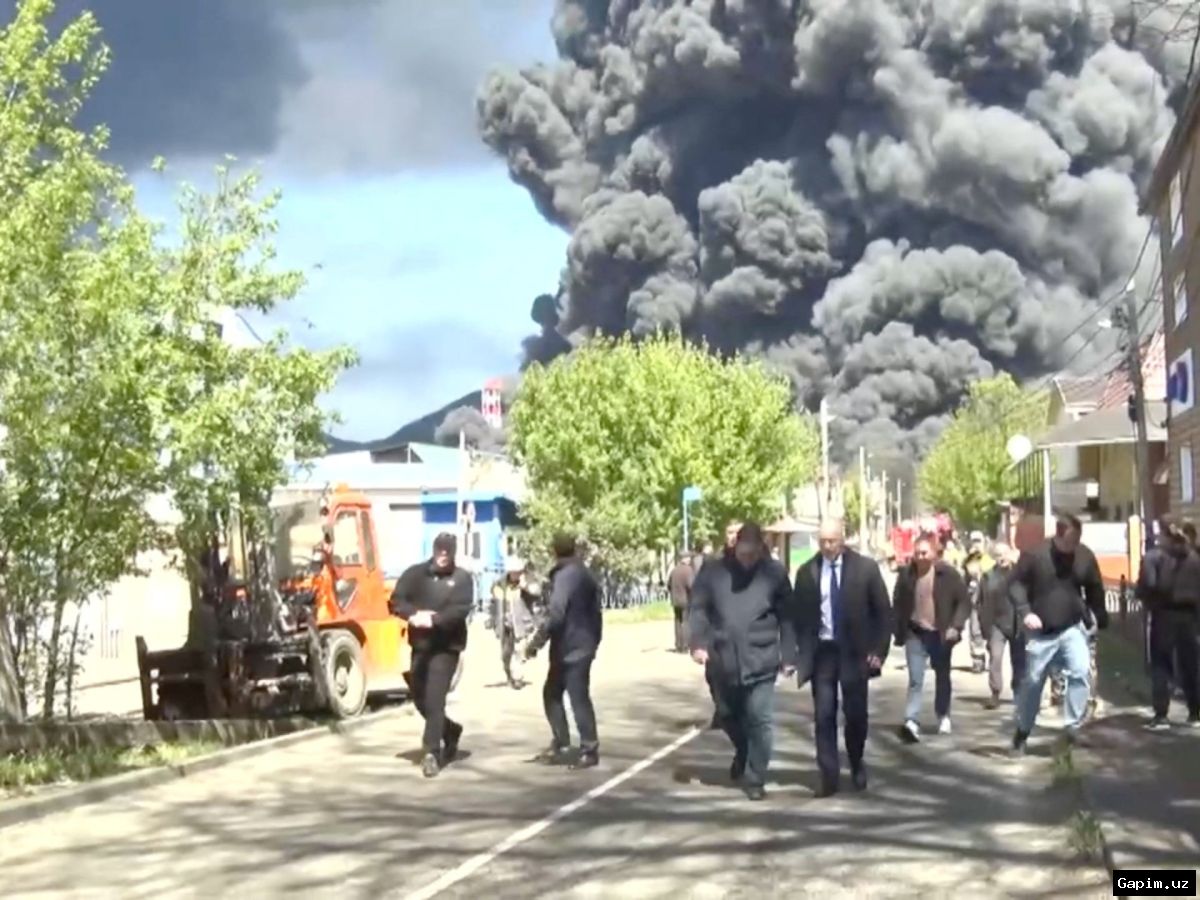
Residents reported “black rain” falling from the sky as smoke and petroleum residue spread across the region. Weeks later, wildlife continues to die, beaches remain polluted, and volunteers attempting to respond say their efforts have often been obstructed or harassed by authorities.
Russian officials have focused less on confronting the scale of the catastrophe than on silencing those speaking out about it. Despite ongoing environmental damage, authorities are already discussing reopening beaches and launching the tourist season, raising concerns about negligence.
The disaster has sparked debate over environmental destruction during wartime. Ukraine, which has suffered numerous environmental catastrophes due to Russia’s war, is now accused of hypocrisy for causing long-term environmental harm through strikes on oil infrastructure. However, activists argue that focusing solely on Ukraine obscures deeper structural causes: years of deregulation, lack of oversight, and dismantling of environmental protections in Russia, intensified by the war economy.
Environmental organizations in Russia have been labeled “foreign agents,” independent movements dismantled, and activists forced into exile. The current catastrophe unfolds in a country where ecological disasters are often silenced rather than addressed, reminiscent of the initial cover-up of the Chornobyl disaster.
The incident also highlights a fundamental gap in international law: the lack of effective mechanisms to address large-scale environmental destruction in wartime. The destruction of the Kakhovka Dam, for example, failed to generate sustained legal or political accountability internationally.
Within Russia, despite increasing censorship, the disaster has triggered an unusual wave of online discussion, much of it on banned platforms like Instagram via VPNs. Criticism is directed not primarily at Ukraine but at Russian authorities, questioning their lack of coordination, transparency, and the broader political system allowing such crises.
The author argues that the disaster is rooted in Russia’s colonial governance and extractivist economic model, which have long exploited regions and marginalized Indigenous communities. International attention, however, remains focused on military threats rather than these underlying structural issues, leaving environmental destruction in Russia largely unaddressed.
Source: www.aljazeera.com