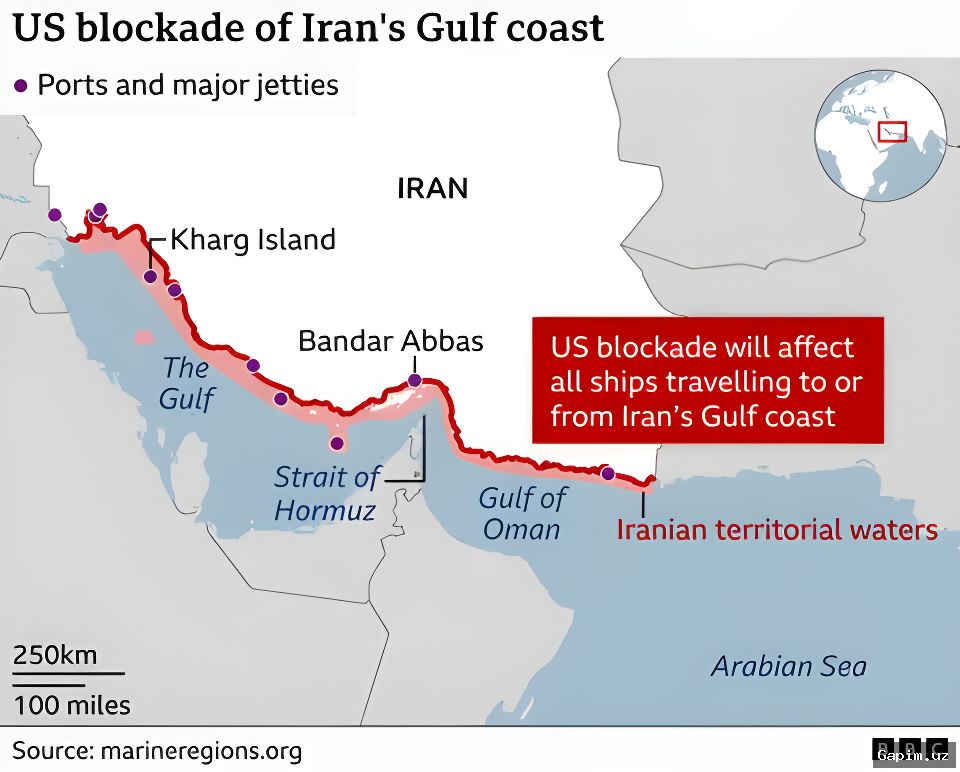
For over two months, the Strait of Hormuz has been effectively blockaded, with few merchant ships passing through. Africa is bearing the full brunt of the Middle East crisis: canceled flights, long queues at petrol stations, and barren fields across the continent.
Cut off from a significant portion of global supply chains, the fertilizer industry has been deeply affected. Willy Nyamitwe, Burundi's African Union ambassador and current chair of the Permanent Committee of Ambassadors, told DW that the AU is closely monitoring the situation as it affects strategic goods essential to African economies.
Anja Berretta, director of the Africa Economic Program at the German Konrad Adenauer Foundation in Nairobi, described the situation as critical. She recalled that after Russia's war in Ukraine began in 2022, Africa faced a similar fertilizer shortage but avoided famine through flexible responses and financial aid from the African Development Bank.
The current crisis is already crippling many parts of the continent. Ethiopia prioritizes diesel for public transport, South Sudan's capital Juba experiences rolling blackouts, The Gambia subsidizes fuel with over €5.8 million in tax revenue, and Zimbabwe blends fossil fuels with ethanol.
Fertilizer prices have soared: ammonia is over 75% more expensive, urea about 60%. UN Secretary-General Antonio Guterres has called for allowing fertilizer transit through the strait, but the initiative remains unimplemented.
Berretta suggests African importers could pool fertilizer procurement, similar to the EU's COVID-19 vaccine strategy. Regional communities like ECOWAS or the East African Community could also succeed.
Long-term, Africa needs to boost domestic fertilizer production. Morocco and Egypt currently lead but rely on sulfur imports from Gulf states. Nigeria's Dangote Group plans new urea plants in Nigeria and Ethiopia.
The African Continental Free Trade Area (AfCFTA) could play a key role by removing border barriers. AU Ambassador Nyamitwe emphasized that accelerated implementation of AfCFTA can build resilient regional value chains in agriculture, energy, and manufacturing.
Source: www.dw.com